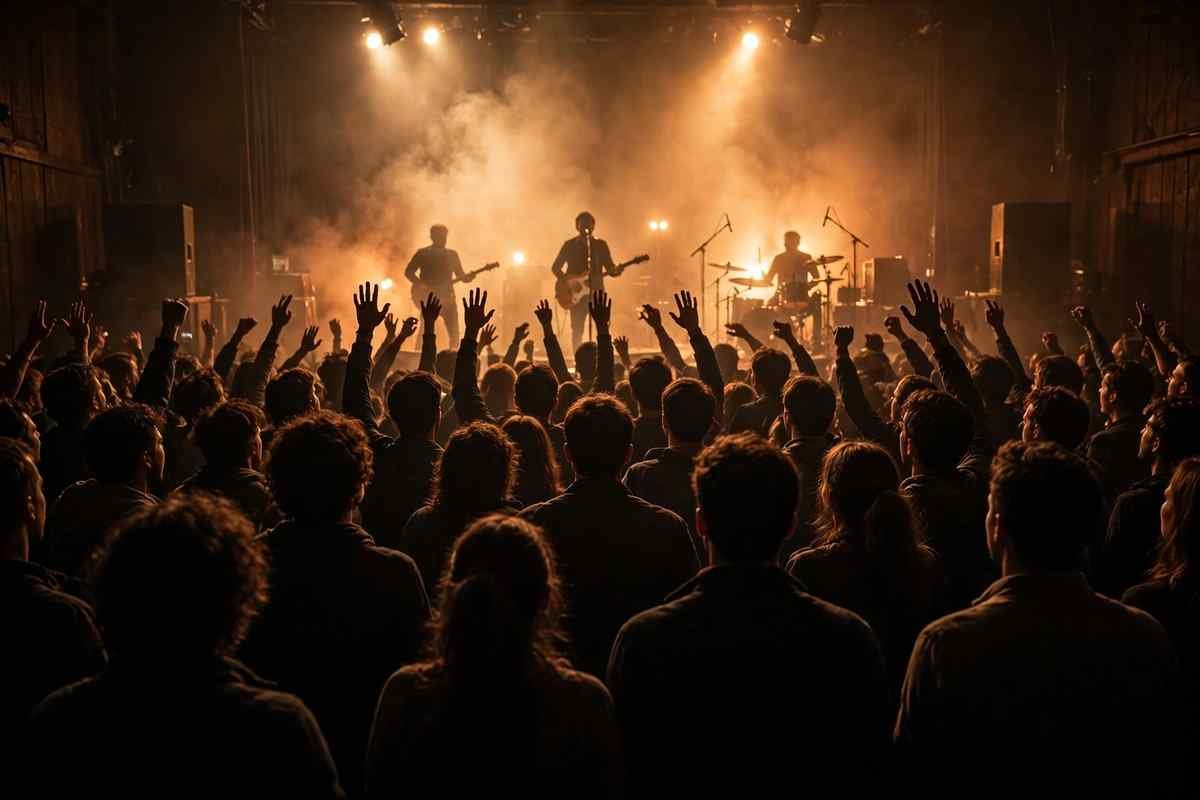
When I see a sold-out sign outside a music venue, my first instinct is to think the band had a great payday. But why do some artists lose money on tour even when shows sell out? The artist receives whatever the booking contract pays, then uses that money to cover the cost of putting the show on and getting to the next one.
If ticket payouts, merchandise profits, and other income fall short of those costs, the tour loses money. A packed room can still leave the artist covering the difference.
Where Does the Money From a Sold-Out Concert Go?
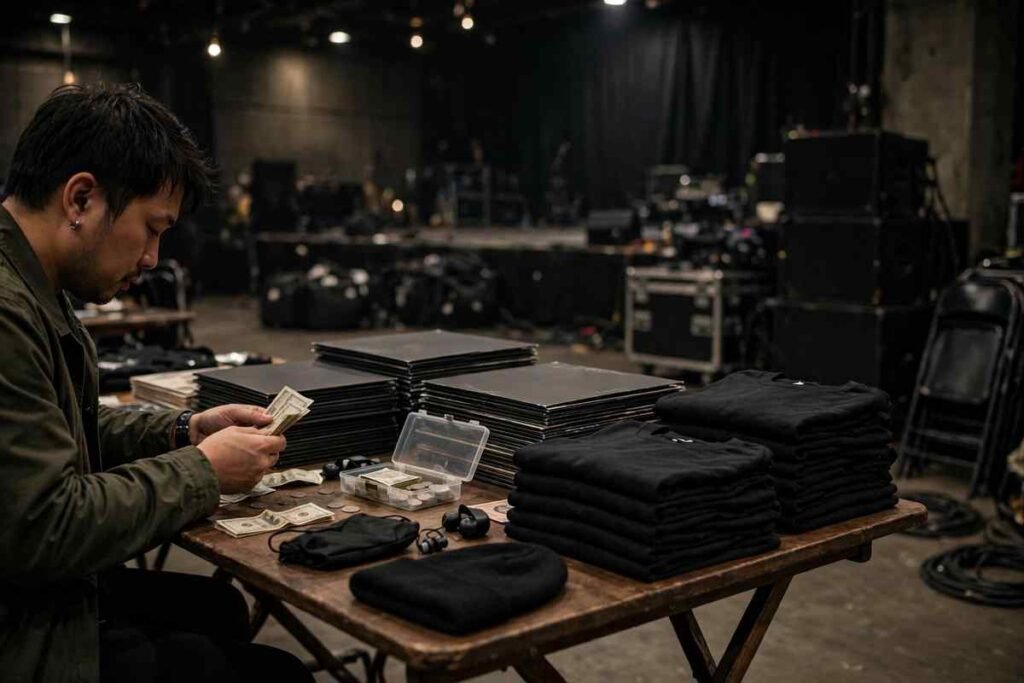
The box office gross is the amount generated by ticket sales before applicable deductions. The artist might receive a flat guarantee, a percentage calculated after agreed show expenses, or a guarantee with additional money if sales meet the terms of the deal. The settlement is the final accounting for that show. It tells the artist what they actually earned from the performance.
Under a flat guarantee, the artist gets the agreed amount even if demand exceeds expectations. Under a percentage deal, allowable venue, staffing, or promotional costs can reduce the amount available to split. The exact calculation depends on the contract. Once the artist gets paid, that money still has to cover expenses on their side, from paying the touring musicians to getting the van to the next city.
How a $9,000 Sellout Can Leave a $600 Loss
Imagine an independent band sells all 300 tickets at $30 each. The show grosses $9,000, but the booking agreement pays the band a flat $4,000. The band keeps another $600 from merchandise after production costs and any agreed venue cut. That gives the band $4,600 to put toward the tour. If there’s money left after tour expenses, the band can set it aside to help cover the cost to release an album independently.
Now suppose this date’s share of crew pay, transportation, lodging, equipment rental, and other road costs comes to $5,200. The band is $600 short. For readers asking why do some artists lose money on tour even when shows sell out?, the example shows how a room can reach capacity before the artist reaches break-even. These figures are illustrative. On a real tour, stronger nights could cover the shortfall from this date.
What Does It Cost to Keep a Tour on the Road?
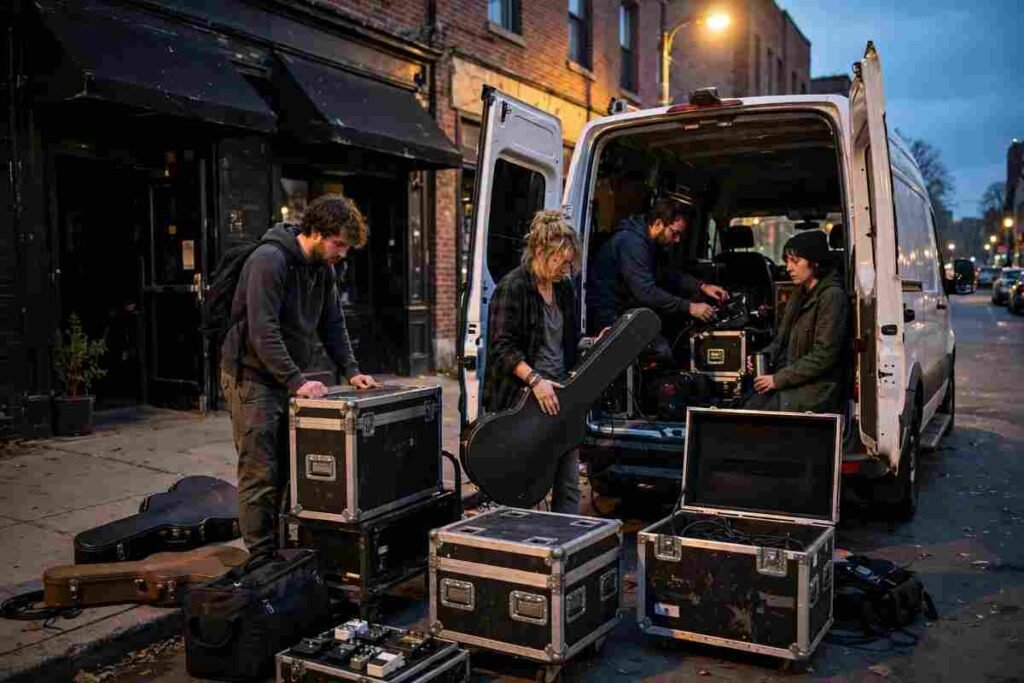
The expenses start before opening night. Artists may book rehearsals, rent sound or lighting equipment, reserve vehicles and hotel rooms, order merchandise, and buy insurance. During the run, they can owe wages to musicians and crew, along with daily meal allowances, gas, parking, and tolls. Booking and management commissions can also reduce what’s left, depending on the agreements.
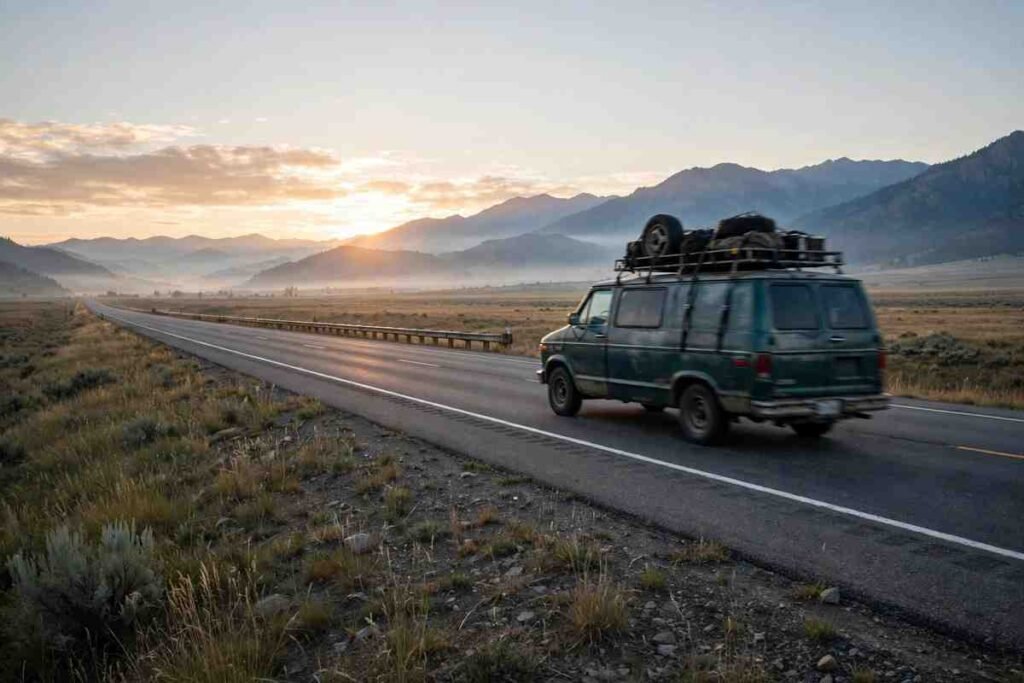
A drive day between Minneapolis and Denver may bring in zero ticket revenue while the band still pays for fuel, lodging, and travel. A day off can carry hotel and vehicle costs as well. That’s why a string of profitable shows can still add up to a losing tour if the dates are far apart or the gaps between them are expensive.
Why Cash Flow Matters Before the First Show
A tour can have a plausible budget and still put pressure on the artist’s bank account. Deposits, rentals, and rehearsal bills can come due weeks before show payouts arrive. If the artist puts those expenses on a credit card, they have to carry the balance until they’re paid. Profit measures whether the tour earned more than it spent. Cash flow determines whether the artist can pay the bills along the way.
What Real Touring Budgets Reveal
Minnesota indie band Durry offers a telling example. Singer Austin Durry said the band sold out every show on a European run and believed it still lost money. The band’s experience illustrates how demand can be strong across an entire route while the economics remain difficult.
Pomplamoose shared a more detailed accounting of its 2014 tour. The band brought in $135,983 from its share of ticket sales, merchandise, and sponsorship, while spending $147,802. That left an $11,819 loss. The band also reported putting $24,000 in upfront expenses on credit cards. It’s one act’s historical budget, but the numbers show how substantial ticket and merch income can coexist with a tour deficit.
Why Would an Artist Tour at a Loss?
Some artists accept a planned loss to build a following in new cities, develop relationships with venues, or give fans a show that encourages them to come back. A support slot may reach listeners who have never heard the artist before. A headline run can show a booking agent which markets have enough demand to justify a return visit.
There’s a difference between budgeting for that investment and discovering the shortfall after everyone gets home. A band can limit its sound exposure by booking cities closer together, scaling production to the room, and calculating how many tickets it needs to sell before committing to the route. If a tour needs more paid tickets than the rooms can hold, selling out alone can’t make it work.
Frequently Asked Questions
1. Why do some artists lose money on tour even when shows sell out?
The artist’s show payouts and other income may fall below the cost of running the tour. Crew pay, lodging, transportation, equipment, and commissions can use up the money even when every ticket sells.
2. Does the artist get all the money from concert tickets?
The artist gets the payout specified in the booking agreement. That might be a flat fee, a share of ticket revenue after agreed deductions, or a guarantee with an opportunity to earn more.
3. Can merchandise make a tour profitable?
It can help close the gap. What counts is the amount the artist keeps after manufacturing, staffing, payment processing, and any venue commission that applies. A busy merch table can generate plenty of sales and still leave a modest profit.
What I Take Away From a Sold-Out Show
When I ask why do some artists lose money on tour even when shows sell out?, I think about the van leaving after the encore. The crowd saw one full room. The artist still has to pay the crew, cover the drive, and do it all again tomorrow. I still see a sellout as something worth celebrating. I also know the numbers that decide whether the artist can afford to come back are spread across the entire tour.