
Music industry lawsuits explained for fans can feel messy because every case sounds like a fight between millionaires, labels, and lawyers. But these lawsuits shape what you hear, what disappears from streaming apps, and how much artists actually earn.
I started paying closer attention to music lawsuits after noticing songs vanish, albums return with changed credits, and AI tracks get wiped almost overnight. The pattern is clear. Legal fights are not just industry drama. They decide who gets paid, who gets control, and sometimes whether a song stays online at all.
Why Music Lawsuits Matter to Everyday Listeners
Most fans do not read court filings before pressing play. I do not either. But I do watch what happens after a lawsuit starts.
A copyright case can change writing credits. A label dispute can delay an album. A royalty battle can influence streaming payouts. An AI lawsuit can decide whether fake artist vocals survive online.
That is why music industry lawsuits explained for fans should focus on real listening impact. The big question is simple: does the case affect access, payment, ownership, or trust?
If the answer is yes, fans should care.
The Two Rights Behind Most Music Industry Lawsuits
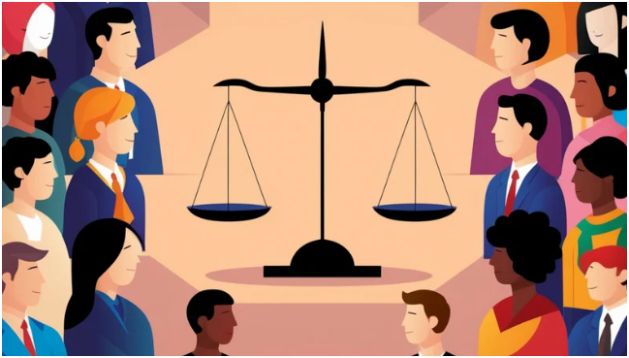
Music law gets easier once you understand one basic split. A song usually has two separate copyrights.
The Songwriting Copyright
The songwriting copyright covers the composition. That means the melody, lyrics, and musical structure. Songwriters, composers, and publishers usually care most about this right.
When someone claims another artist copied a melody or lyric, the lawsuit usually centers on the composition.
The Sound Recording Copyright
The sound recording copyright covers the recorded version you actually stream. This is often called the master recording.
A singer may write the song but not own the master. A label may own the recording. A publisher may control the composition. That split explains why music lawsuits often involve several parties at once.
Copyright Lawsuits: When Songs Sound Too Similar

Copyright infringement lawsuits happen when one artist claims another copied protected parts of a song. Courts usually look at access and substantial similarity.
Access means the accused artist could have heard the earlier work. Substantial similarity means the songs share protected expression, not just a common mood or genre feature.
The “Blurred Lines” case made this issue famous. Marvin Gaye’s estate won after arguing that Robin Thicke and Pharrell Williams copied elements of “Got to Give It Up.” Many songwriters worried the decision made musical feel or groove risky territory.
Ed Sheeran’s cases pushed the conversation another way. His successful defenses reminded fans that common chords and familiar building blocks are not always copyright theft.
Why “Vibe” Cases Make Artists Nervous
Pop music uses shared ingredients. Many songs rely on familiar chord progressions, drum patterns, and emotional themes. If every similar feel became a lawsuit, creativity would shrink fast.
That fear explains why some artists add credits after release. Sometimes it is not an admission of copying. It can be a business decision to avoid a long public fight.
What Fans Usually Notice
Fans may notice changed credits, royalty splits, or headlines. Songs usually stay online unless the dispute involves uncleared samples or ownership problems.
The bigger impact is invisible. Writers may become more cautious. Labels may ask for extra legal checks before release.
Streaming Royalty Lawsuits: The Money Fight Behind the Play Button

Streaming made music easier to access but harder to pay fairly. Every stream can involve performers, labels, songwriters, publishers, distributors, and platforms.
That is why streaming lawsuits often focus on mechanical royalties, underpayment, missing data, or licensing gaps.
In the United States, the Music Modernization Act created a blanket licensing system for digital mechanical royalties. It also helped establish a central process for collecting and distributing certain songwriter payments.
Why Songwriters Often Feel Shortchanged
Fans usually connect a song with the artist on the cover. But the songwriter behind the melody may receive a much smaller share than expected.
A stream pays different rights holders in different ways. Sound recordings and compositions are licensed separately. If data is wrong, ownership is unclear, or payments are delayed, lawsuits can follow.
How Digital Platforms Changed the Dispute
Streaming platforms turned music into a constant-access service. That changed how artists release music, track success, and earn income.
This is where the internal topic how digital music platforms affect artists fits naturally. Platforms create reach, but they also create royalty pressure, playlist dependence, and data-driven disputes.
For fans, the key lesson is simple. A cheap monthly subscription does not mean payment is simple behind the scenes.
Contract Battles: Who Owns the Music After It Is Released?
Contract lawsuits are often about control. Artists may sue labels over release restrictions, royalty terms, accounting, or ownership.
A 360 deal can give a label a share of income beyond recordings, including touring, merchandise, and endorsements. That can help fund a career, but it can also limit freedom if the terms are harsh.
Masters, Labels, and Artist Control
Master recordings are powerful because they control the recorded version fans stream. If a label owns the masters, the artist may not fully control how those recordings are used, sold, licensed, or packaged.
Megan Thee Stallion’s dispute with 1501 Certified Entertainment showed how contract fights can affect release freedom. Taylor Swift’s masters dispute showed how ownership can become a fan movement.
Why Re-Recorded Albums Matter
Taylor’s Version albums taught fans a music-business lesson without a lecture. Re-recording gave listeners a way to support versions controlled by the artist.
That changed fan behavior. People were not just choosing songs. They were choosing ownership.
AI Music Lawsuits: The New Fight Fans Cannot Ignore
AI is now one of the biggest legal pressure points in music. The issue is not only whether AI can make a catchy song. The issue is whether AI companies can train on copyrighted music or imitate artists without permission.
Major record companies have sued AI music platforms such as Suno and Udio, claiming copyrighted recordings were copied and used to train models. AI companies have argued that training can be transformative or protected by fair use.
That fight is far from settled.
Voice Cloning and Fake Artist Tracks
The viral fake Drake and The Weeknd song “Heart on My Sleeve” showed fans how confusing AI music can become. Many listeners heard familiar voices, but the artists did not record the track.
That creates trust problems. Fans may not know whether a song is real, approved, licensed, or synthetic.
Training Data and Copyright Claims
Training data lawsuits ask a hard question. Can an AI company learn from copyrighted music without permission, or does that require a license?
The answer could reshape music creation. If courts favor rightsholders, AI companies may need licensing deals. If courts favor fair use arguments, AI music tools may grow faster.
Either way, fans will feel the result through takedowns, labels, platform rules, and disclosure policies.
Why Songs Disappear From Streaming Apps
When a song disappears, fans often blame the app. Usually, the real cause sits behind the app.
A song may vanish because a sample was not cleared. A distribution agreement may expire. A label and artist may fight over release rights. A publisher may dispute ownership. An AI-generated track may be removed after a rights complaint.
Streaming services do not want legal risk. If the rights are unclear, pulling the track is often safer than leaving it live.
My Fan Impact Test for Music Lawsuits
When I see a music lawsuit headline, I use a simple test before deciding whether it matters to fans.
First, I ask whether the lawsuit could remove music from platforms. Second, I ask whether it changes who gets paid. Third, I ask whether it changes who controls the recording. Fourth, I ask whether it affects trust, especially with AI vocals or fake releases.
If a case hits one of those four points, it is not just legal noise. It has fan impact.
That test explains why some lawsuits fade quickly while others become culture-shaping moments.
FAQs
1. Why do music artists sue each other?
Artists usually sue over copyright copying, unpaid royalties, contract restrictions, ownership disputes, or unauthorized use of their work.
2. Can a lawsuit remove a song from Spotify?
Yes, especially when the dispute involves sample clearance, expired licensing, ownership conflict, or unauthorized AI-generated music.
3. What does music industry lawsuits explained for fans mean?
It means explaining legal music disputes in plain language, with focus on how they affect listeners, artists, and streaming access.
Are AI songs legal?
Some AI songs may be legal, but problems arise when they copy protected recordings, clone voices, or use copyrighted training data without permission.
The Verdict: Listen Smart, Not Scared
Music lawsuits may look like backstage chaos, but they often reveal who holds power in the industry. They show who owns the song, who gets paid, and who controls what fans hear.
My best tip is simple. When a song disappears, a credit changes, or an artist re-records an album, do not treat it as random drama. Follow the rights.
The music business has always had lawyers in the room. Fans just hear the consequences through their headphones.