I used to think royalty changes were mostly label politics with a spreadsheet problem. Now, I see them as a survival test for every creator uploading music online. If you are asking why music royalties are changing for artists, the answer is simple: streaming platforms are trying to separate real audience demand from fraud, filler, passive noise, and confusing subscription math.
That shift affects major artists, indie musicians, songwriters, session players, producers, and anyone hoping a catalog can grow over time. The old promise was “upload your music and earn from every stream.” The new reality is sharper: platforms want proof that listeners care.
Streaming Royalties Are No Longer Just About Play Counts

For years, most streaming payouts worked through a market-share model. A platform collected subscription and ad revenue, kept its share, and paid rights holders from the remaining royalty pool. If a track earned a tiny slice of total streams, it earned a tiny slice of the money.
That model looked fair on paper. In practice, it rewarded scale more than connection.
The Old Streamshare Model Is Under Pressure
The streamshare system was built for a smaller streaming world. It did not fully prepare for millions of daily uploads, AI-assisted tracks, playlist manipulation, and background audio designed to run for hours.
This is why music royalties are changing for artists right now. Platforms are not only asking, “How many times was this played?” They are also asking, “Was this a real listener, a real track, and real demand?”
That question changes everything.
Why Small Payments Are Being Reallocated
Spotify’s newer royalty policy is one of the clearest examples. Tracks must reach at least 1,000 streams in the previous 12 months before they generate recorded royalties. The company says the royalty pool does not shrink; instead, tiny payments that often never reach uploaders are redirected to eligible tracks.
For small artists, this feels harsh. A niche song with 600 genuine streams may still matter deeply to its audience. But from the platform’s side, millions of tiny payouts create administrative waste and open the door for spam uploads.
The hard truth is this: streaming is moving from “every upload earns” to “engaged uploads earn.”
Fraud, Bots, And Noise Tracks Changed The Royalty Debate
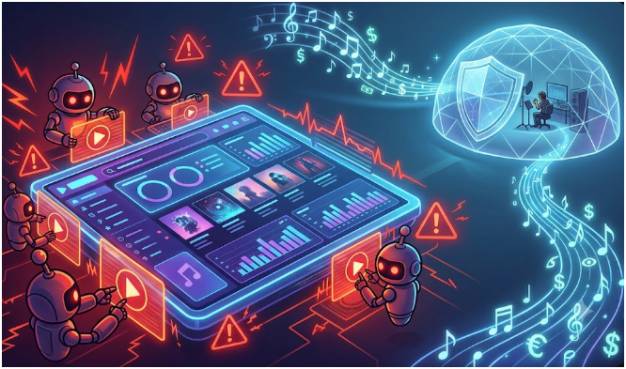
Streaming fraud turned royalty reform into an urgent issue. Bot farms, fake playlists, and click loops can inflate play counts without building fans. When that happens, fake tracks pull money from the same pool that pays real musicians.
Artificial Streaming Is Taking Money From Real Catalogs
Artificial streaming is not a victimless trick. If the royalty pool is fixed, every fake stream reduces the share available to legitimate songs. That hurts independent creators most because they already compete with limited budgets and small margins.
This is one major reason why music royalties are changing for artists. Platforms want to punish fraud at the distributor and label level, not just remove suspicious tracks after the damage is done.
For creators, the lesson is clear. Avoid shady playlist sellers, guaranteed-stream packages, and promotion offers that sound too clean. Fake growth can cost more than it earns.
Functional Audio Is Getting A Different Treatment
Functional audio includes white noise, rain sounds, machine hums, silence recordings, and other background listening formats. Some of it serves a real purpose. People use it for sleep, focus, or relaxation.
The problem starts when bad actors cut these recordings into short tracks, stack them into playlists, and generate more royalty-bearing plays from the same listening time. A 50-minute listening session can produce far more “streams” if chopped into 30-second clips.
Streaming services are now treating this category differently. Longer minimum playtime rules and lower valuation for functional noise are signs that platforms no longer view every audio play as equal.
Artist-Centric Royalties Are Changing Who Gets Rewarded
The phrase “artist-centric” sounds friendly, but it carries real consequences. It means platforms may reward tracks differently based on artist status, listener behavior, and engagement signals.
Active Listening Matters More Than Passive Background Plays
An active stream usually shows stronger intent. A listener searches for your name, saves your track, adds it to a playlist, or chooses your album directly. Passive listening is weaker. It may come from autoplay, background playlists, or algorithmic queues.
The new royalty conversation favors active fandom. That is good for artists who build loyal audiences. It is less helpful for creators who rely only on playlist placement.
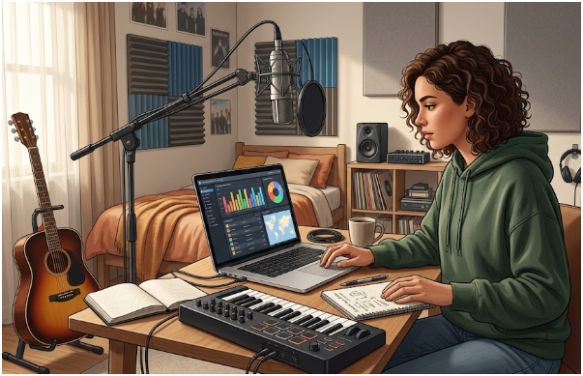
This is where I think many artists need to change strategy. Chasing streams is not enough. You need repeat listeners, direct searches, saves, follows, email signups, and social proof outside the platform.
Professional Artist Thresholds Are Becoming The New Gatekeeper
Deezer and Universal Music Group’s artist-centric model gives extra weight to “professional artists” who meet specific monthly stream and listener thresholds. That approach rewards consistent engagement instead of random upload volume.
This helps explain why music royalties are changing for artists across the wider industry. Platforms want catalogs that bring listener value, not just content volume.
Still, there is a real concern. Threshold systems can protect working artists while making it harder for experimental, local, niche, or new creators to earn early money. The industry is trying to fight spam, but some legitimate artists may get squeezed in the process.
Songwriters Are Feeling The Bundle Effect
Artists often talk about master royalties first, but songwriters face a different fight. In the US, mechanical royalties are shaped by rules, licensing systems, and subscription classifications.
Why Audiobooks Changed The Royalty Math
When a music subscription includes another product, such as audiobooks, it may be treated as a bundle. That matters because bundled services can calculate mechanical royalties differently from standalone music plans.
This is not just legal wordplay. If less subscription revenue is counted as music revenue, songwriter and publisher payouts can fall even while the user pays the same monthly price.
That is why bundle disputes became such a major flashpoint. The issue is not only how many people listen to songs. It is how platforms define the product they are selling.
Mechanical Royalties Are Now A Bigger Fight
US mechanical royalty rates have already been the subject of Copyright Royalty Board proceedings. Songwriters and publishers continue to watch these rules closely because streaming income depends on both platform behavior and legal rate structures.
For creators, this is a reminder that “streaming royalties” is not one payment. A song can generate master royalties, mechanical royalties, performance royalties, neighboring rights in some territories, sync income, and more.
If you write and record your own songs, you need to track both sides: the sound recording and the composition.
What This Means For Independent Artists
The royalty reset can feel unfair, especially if you are building from zero. But it also gives indie artists a clearer playbook.
The platforms are saying they value real engagement, clean catalogs, and listener intent. So the smartest response is not panic. It is better tracking.
A Practical Example From A Small Catalog
Imagine two indie artists each get 1,200 streams.
Artist A buys cheap playlist placement. The track gets skipped often, earns few saves, and receives suspicious plays from low-quality sources.
Artist B sends the song to a small email list, posts short performance clips, earns direct searches, gets 80 saves, and brings repeat listeners.
Under older thinking, both artists might celebrate the same stream count. Under newer thinking, Artist B has the stronger catalog signal. That artist is safer from fraud flags, better positioned for algorithmic trust, and more likely to build royalty value over time.
This is the original point many royalty explainers miss: the future is not only about payout rules. It is about proof of real demand.
What Artists Should Track Now
Independent artists should track more than monthly streams. Watch saves, repeat listeners, playlist source quality, follower growth, song completion, direct searches, royalty eligibility, publishing registrations, and distributor reports.
Also keep your metadata clean. Songwriter splits, ISRCs, ISWCs, publisher details, and PRO registrations matter more when royalty systems become stricter.
If you follow the latest music copyright news for creators, you will notice the same pattern everywhere: platforms, courts, labels, and governments are forcing creators to become better rights managers.
The Royalty Reset Is Not Cute, But It Is Useful
I will not pretend these changes feel warm and generous. They do not. Thresholds can frustrate new artists. Bundle rules can anger songwriters. Artist-centric systems can favor already visible musicians.
But the old model had its own mess. Fraud drained money. Noise spam gamed the pool. Passive streams blurred the value of actual fandom. Tiny royalties often vanished before reaching artists.
That is why music royalties are changing for artists, and creators who adapt early will have an edge. Build real listeners. Avoid fake promotion. Register every song properly. Watch policy changes before they hit your payout report.
The new royalty game has less room for lazy uploads and fake numbers. Good. Music deserves better math.
FAQs
1. Why are streaming royalties changing for independent artists?
Streaming royalties are changing because platforms want to reduce fraud, reward real engagement, and stop low-value content from draining royalty pools.
2. What is the 1,000-stream royalty rule?
The 1,000-stream rule means a track must reach at least 1,000 streams within the previous 12 months before it can generate recorded royalties on Spotify.
3. Do artist-centric royalties help small musicians?
Artist-centric royalties can help working musicians with loyal fans, but they may hurt very new, niche, or experimental artists who have not reached engagement thresholds.
4. Why do bundled subscriptions affect songwriter royalties?
Bundled subscriptions can change how music revenue is calculated, which may lower the mechanical royalty pool paid to songwriters and publishers.