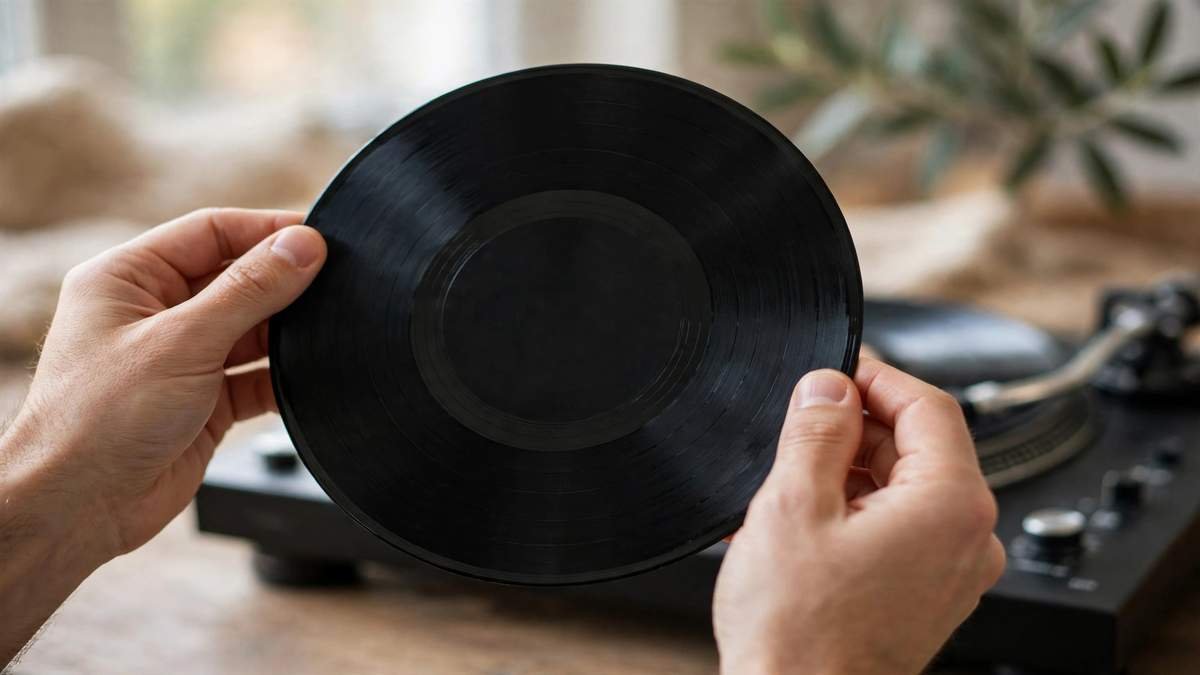
A vinyl record can gain value when collector demand for a specific pressing grows faster than the supply of comparable copies. A small production run can set the stage, but the price depends on how many people want that edition, how many clean copies come up for sale, and what buyers are willing to pay.
When I look at two copies of the same album with wildly different prices, I want to know what makes some vinyl records gain value over time. I start by checking which edition each seller has, what condition it’s in, and whether comparable copies have actually sold. Those details can explain why a recent release fetches hundreds while a decades-old album stays in the bargain bin.
Why Some Pressings Become More Valuable After Release
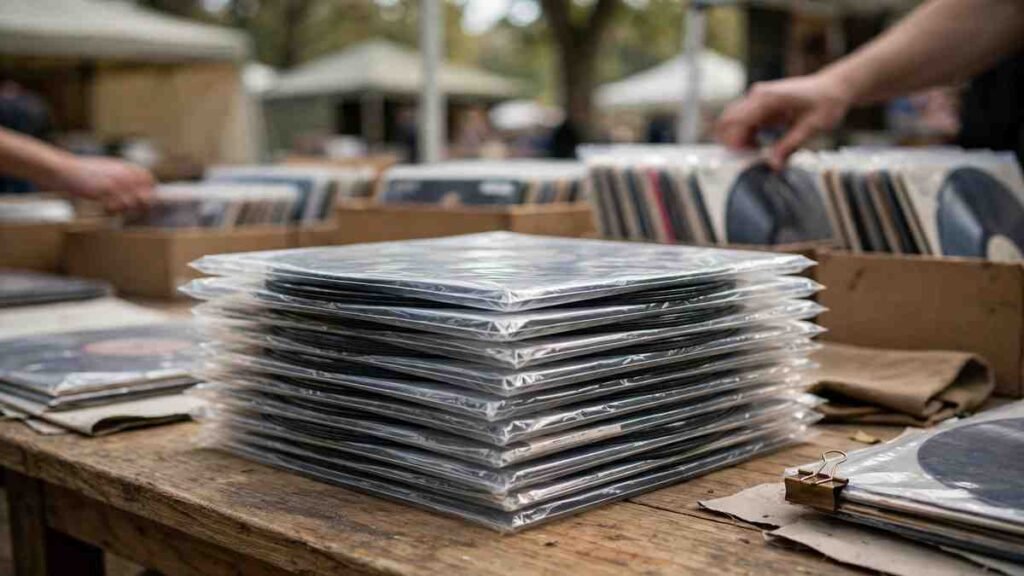
Collector demand can grow years later
An album can have a modest audience when it comes out and become a cult favorite years later. A reunion tour, a documentary, or a song featured in a popular series can introduce the music to new listeners. Some of those listeners will seek out the original release, especially if it has artwork, packaging, or a mix they can’t easily find elsewhere.
If you’re asking what makes some vinyl records gain value over time, watch what happens after that first burst of attention. Several comparable copies selling at higher prices offer a better signal than one unusually expensive sale.
Clean, complete copies can become harder to find
The original pressing size tells you how many copies were made. The resale market tells you how many are available in the condition collectors want. A copy may still play well after decades, yet have a split jacket or a missing lyric sheet. For buyers who want a complete package, those details shrink the pool of suitable copies.
Age matters when it changes what buyers can find. A mass-produced album can remain easy to buy for decades. A newer record can become hard to find quickly if a small run sells out and most owners keep their copies.
Which Pressing Details Can Increase a Record’s Value?
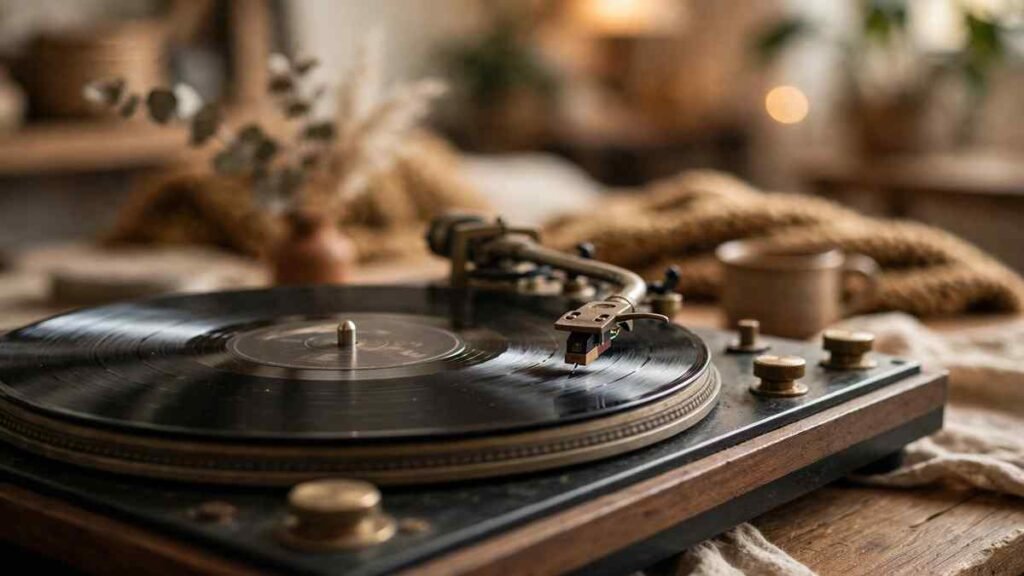
First pressings, withdrawn covers, and unusual editions
A first pressing can command a premium when collectors value its connection to the original release or seek a particular mastering. Early copies of Led Zeppelin II cut by Bob Ludwig are one example. Collectors look for his “RL” initials etched in the runout, the smooth area between the final groove and the label.
Withdrawn covers, promotional copies, and test pressings can also appeal to collectors. A misprint may matter if buyers recognize it as a distinct variant and actively seek it out. A colored disc or numbered sleeve can help identify an edition, but the recent sales of that exact version tell you whether buyers pay extra for it.
Condition affects the price of an individual copy
The disc and jacket can deserve different grades. A clean, quiet-playing record might come in a jacket with ring wear, while a sharp-looking sleeve can hide a noisy disc. Original posters, inner sleeves, and other inserts also matter when collectors expect them to be included. Compare your copy with sales that match both its condition and its contents.
What Happens to Original Pressing Prices After a Reissue?
A reissue gives listeners another way to own an album on vinyl. If buyers were paying a premium simply because the music was hard to get on record, a widely available repress can take some pressure off the original’s price. An original may retain a premium if collectors still seek its mastering, label design, or packaging.
That’s worth remembering when asking what makes some vinyl records gain value over time. A reissue can also become collectible in its own right, especially if buyers favor its sound or if that particular edition goes out of print.
What Actual Sales Reveal About Price Changes

Frank Ocean’s 2016 Black Friday pressing of Blond offers a snapshot. Selected completed sales for copies advertised as sealed include $149 in January 2017, $350 in February 2018, $550 in December 2018, and $850 in June 2024. The two 2018 prices alone show how much individual sales can vary, even when sellers describe copies of the same edition as sealed.
Treat those figures as individual transactions. To judge whether the market moved, compare several sales from each period and check for differences in sleeve condition, included extras, and sale format. A price gap between an original pressing and its reissue shows what buyers paid for different editions. To measure appreciation, follow the same edition across dates.
If you’re budgeting for vinyl and digital listening, consider what makes a music streaming family plan worth the price alongside what you spend on records.
How to Check Whether Your Vinyl Record Has Gained Value
- Identify the exact pressing. Start with the catalog number, label design, and country of release. Check the etched or stamped runout markings on both sides if several editions look alike.
- Grade the record and sleeve separately. Note surface noise, scratches, warping, seam splits, and missing inserts. Playback can reveal wear that’s hard to see under a light.
- Compare completed sales across periods. Look for copies of the same pressing in similar condition. Give more weight to a group of sales than to the highest result, and compare currencies, shipping, and fees consistently.
Frequently Asked Questions
1. In simple terms, what makes some vinyl records gain value over time?
A specific pressing can rise in value when more collectors want it and relatively few comparable copies are available. Demand can grow after release, and clean copies with original packaging can become harder to find.
2. Do colored vinyl records gain value?
Some do. If collectors seek a specific color variant and few copies are offered for sale, it may command a premium. Check sales for that exact variant before assuming the color adds value.
3. Is sealed vinyl always worth more?
A sealed copy can sell for more when buyers prize unopened packaging. The sleeve can still have damage, and the seal makes it harder to verify the disc or its contents. Compare sealed copies with other sealed sales whenever possible.
My Take Before You Price That Record
When I’m trying to tell whether a record has gained value, I start with the runout markings and finish with dated sales. I’d put more weight on several comparable transactions than on a single eye-catching price.
If you’re curious about a record on your shelf, start with one album and trace the sales of your exact pressing. That small check can tell you more than the artist’s fame or the date printed on the jacket.