When I look at a sponsorship offer, my first question is what the brand expects to get for its money. A company might ask for one guitar demo, then request permission to turn that video into an ad for three months. Those requests involve the same video, but they carry different value.
So, how do musicians earn money from brand sponsorships? They negotiate payment for work such as sponsored posts, live appearances, or branded videos. They can also charge for rights, such as permission to use their recording in an ad. Payment can come as a flat fee, a recurring retainer, a sales commission, or a combination. Some deals provide gear or cover expenses, which can make a campaign cheaper to produce without putting cash in the artist’s pocket.
What Do Brands Pay Musicians to Do?
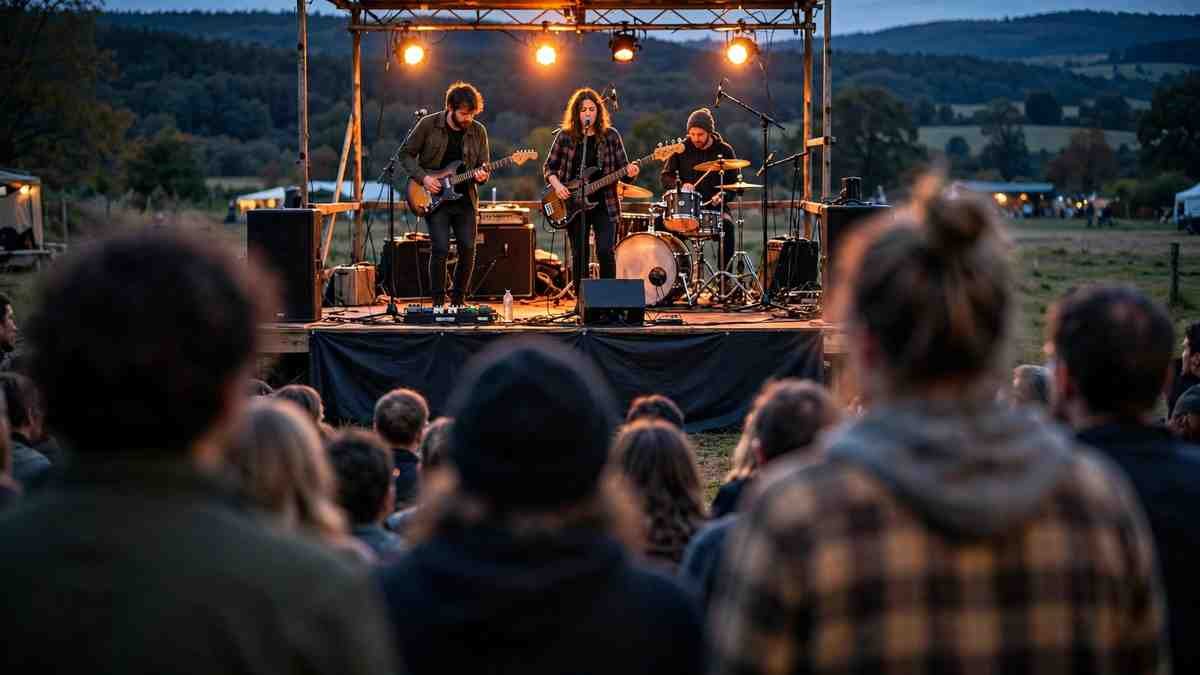
Brands sponsor musicians to reach an audience, demonstrate a product, or associate themselves with a performance or release. A pedal maker might pay a guitarist to demonstrate a new effect. A clothing brand might fund part of a tour in exchange for signage at shows and appearances in tour videos. A software company might hire a producer to create a series of tutorials.
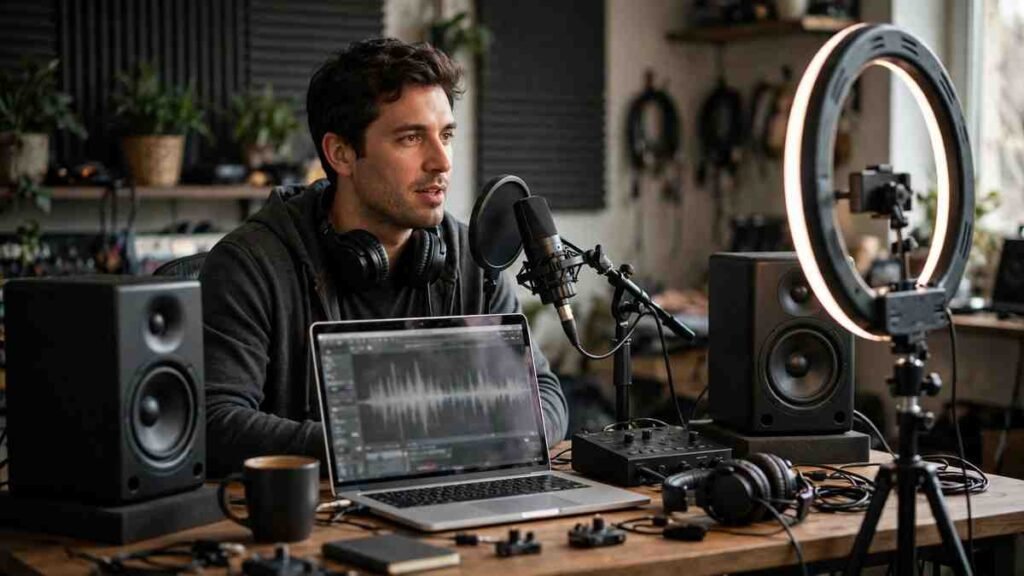
The deliverables are the specific things the musician agrees to provide. A video package might include one full demo, two short clips, and a link in the caption. A tour package could include mentions at four shows, backstage footage, and a recap with attendance figures. Each deliverable adds work, gives the sponsor something measurable, or both.
How Do Musicians Get Paid for Brand Deals?
Flat Fees and Recurring Retainers
A flat fee pays for a defined project, such as producing a sponsored video or performing at a product launch. The agreement can split payment between a deposit and a final installment. If the final payment depends on brand approval, specify when the brand must review the work.
A retainer pays a set amount on a recurring schedule. An ambassador might receive a monthly fee for two posts and one livestream. Set a limit on monthly deliverables and price additional requests separately so the workload stays predictable.
Commissions, Bonuses, and Product Support
A commission pays the artist for eligible sales through a tracked link or discount code. A hybrid deal combines a guaranteed fee with commissions or a performance bonus. Before agreeing, check how long sales are tracked, how returns affect earnings, and when commissions are paid.
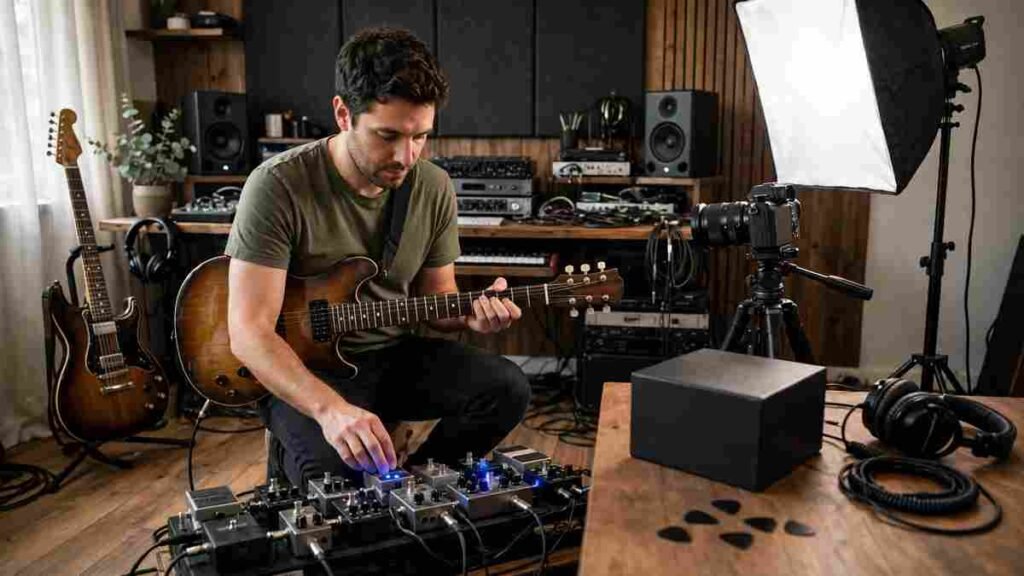
Free equipment, discounts, and travel reimbursement can also be valuable. A free microphone saves you money if you planned to buy it. A reimbursed hotel room reduces tour costs. Ask whether the product or reimbursement comes with a cash fee and confirm when each part of the compensation arrives.
What Determines How Much a Brand Pays?
A useful way to revisit how do musicians earn money from brand sponsorships? is to look at what goes into the quote. Start with your time, filming and editing costs, the number of deliverables, and the audience you can reach. A local sponsor may value a band that consistently sells tickets in its city more than an act with a larger following scattered across several markets.
Price usage rights and exclusivity separately. Sharing your post on the sponsor’s own account and running your video as a paid ad are two different uses. Specify the platforms, how long the sponsor can use the content, and whether it can edit the footage. If the brand wants to use your song, check who controls the recording and composition before promising permission. If the deal limits your work with competitors, define the product category and how long the restriction lasts.
Because fan subscriptions help independent musicians earn steady income between sponsorships, recurring fan support can give you more room to negotiate a higher fee when a brand asks for broad ad rights or a long exclusivity period.
How Much Sponsorship Money Does an Artist Keep?
Suppose an independent artist charges $1,200 to make two videos and $400 for 90 days of paid advertising rights. The artist invoices $1,600. After spending $300 on filming and editing, they keep $1,300 before taxes. Any manager or agent commission would reduce that amount further.
That breakdown also helps with negotiation. If the sponsor has only $1,200, the artist can offer the two videos and drop the advertising rights, or quote a smaller package with a shorter ad term.
How Can Independent Musicians Land Their First Sponsor?
Pick a company whose customers overlap with the people who already listen to your music or attend your shows. Pitch something specific, such as a pedal demo filmed at rehearsal or a three-show partnership with a neighborhood business. Include an electronic press kit or one-sheet with recent engagement, ticket sales, audience locations, and a short description of what you can deliver.
Before signing, put payment dates, revision limits, approvals, cancellation terms, and usage rights in writing. Check the advertising disclosure rules that apply to your audience, and make the relationship clear when you post sponsored content or recommend gear a brand gave you. After the campaign, send the sponsor a recap with published links and agreed metrics. That gives both sides a basis for discussing a renewal.
Frequently Asked Questions
1. How do musicians earn money from brand sponsorships?
They sell promotional work, access to their audience, and sometimes permission to reuse their content or music. A deal can pay a project fee, a recurring fee, or a share of tracked sales.
2. Can musicians get sponsors with a small following?
Yes. A niche audience or a reliable local draw can be valuable to a brand. Show recent engagement, attendance, or audience location so the sponsor can see whom it would reach.
3. Do gear endorsements pay cash?
Some do. Others offer discounted gear, free products, or loaned equipment. Ask what you receive and what the company expects you to deliver, especially if it wants recurring posts or exclusive use.
What I’d Look for in My First Brand Deal
When I ask how do musicians earn money from brand sponsorships?, I look at what remains after the work is done. I’d take a clearly scoped deal with a sponsor my audience understands, a payment date I can plan around, and enough room in the fee to cover production. If the brand wants to keep using the content after the campaign, I’d give that permission its own line in the quote.