When I see a $30 standard LP next to a $45 colored edition, I want to know what the extra $15 buys. So why do limited-edition vinyl records cost so much? Small runs can cost more per copy to manufacture, deluxe editions can add real production expenses, and labels may charge more for an exclusive variant. Once a pressing sells out, collector demand can push the price higher still.
I start by looking at where the record is being sold. A preorder price tells me what the label or retailer charges at launch. A resale price tells me what another seller hopes someone will pay. Those prices can reflect very different things.
Why Small Vinyl Pressing Runs Cost More Per Copy
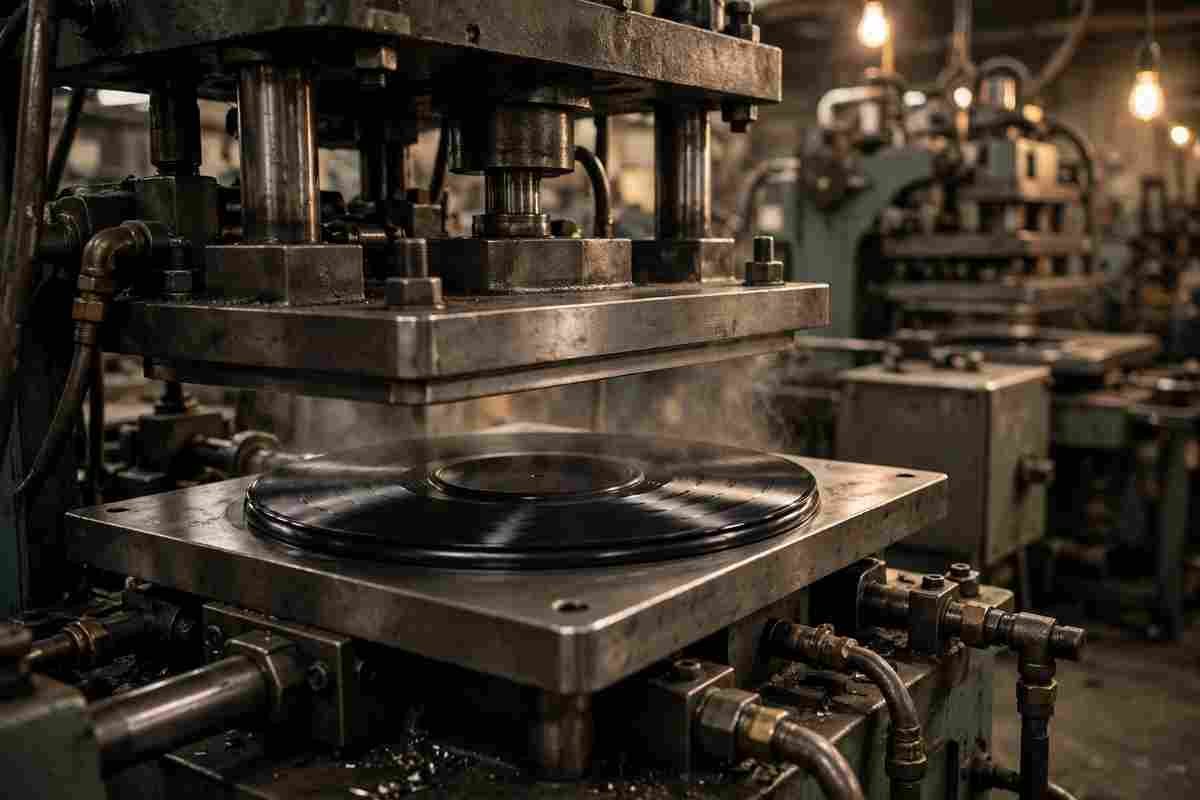
Before a pressing plant can produce a run of records, an engineer cuts the grooves for each side, metal stampers are made, and test pressings are checked for playback problems. Whether the plant makes 100 copies or 1,000, much of that setup still has to happen. A short run gives the label fewer records over which to spread those costs.
Say a release has $600 in setup expenses. Across 100 records, that adds $6 per copy. Across 300, it adds $2. That’s before the cost of vinyl, sleeves, jackets, assembly, or freight. If the label sells through shops, the shelf price also needs to leave room for the retailer’s margin.
For an independent artist, a smaller run can be a sensible way to avoid paying upfront for hundreds of albums that might sit unsold. The trade-off is a higher cost per copy, even for a plain black LP in a basic jacket.
What Are You Paying for in a Deluxe Vinyl Edition?

Colored Vinyl and Special Effects
If you’re comparing two copies with the same tracks and artwork, you might ask why do limited-edition vinyl records cost so much? A basic color change may add relatively little to manufacturing costs, depending on the plant. Splatter, split-color, and other specialty finishes can require extra handling. Part of the price can also reflect what fans will pay for a particular look, especially when that color is exclusive to a store or sold only on tour.
Bonus Tracks, Packaging, and Sound Quality
An extra LP with demos or live recordings adds another disc to cut, press, and package. A gatefold jacket, a rigid box, or a printed booklet adds material and assembly costs. A numbered insert documents the edition and may appeal to collectors.
If sound quality is your priority, check whether the edition uses a different master or cut. A 180-gram record feels heavier in your hand. Sound depends on factors such as the source, mastering, and pressing quality, so weight alone gives you little basis for choosing between two versions.
Why Prices Can Jump After a Pressing Sells Out
A record that launched at $35 may show up for $95 the next day because a seller expects some buyers to pay for immediate access. That listing only establishes the seller’s asking price. Completed sales show whether buyers are actually paying close to it.
The number of copies matters alongside demand. An obscure album with 300 copies can sit unsold while a popular artist’s 3,000-copy variant sells out quickly. Check what the limit applies to, too. “Limited to 500” might describe one colorway while the same album is widely available on black vinyl.
Record Store Day labels are worth checking before paying a resale premium. An RSD First title may become available through other retailers later. A regional or small-run release can be harder to find, especially if relatively few participating shops received it. A later pressing can satisfy listeners who simply want the album, while collectors may still seek out the original variant.
How to Tell Whether a Limited-Edition Record Is Worth the Price

If a limited-edition vinyl listing seems overpriced, check what’s included and what comparable copies actually sold for before you buy. Use the same approach to concert spending. When music fans build a concert budget that covers hidden costs, they account for ticket fees, parking, and travel before deciding what they can spend on merch.
Match the Exact Pressing
Start with the official release details. Check the catalog number, color, track list, and included extras. If two editions look almost identical, ask for a photo of the markings etched or stamped in the runout, the smooth area between the final groove and the label. Those markings can help identify the pressing.
Compare Completed Sales in Similar Condition
Look up recent sales for that version and compare copies with similar record and jacket grades. Check whether the sold copies included any poster, numbered insert, or other extra that matters to you. Add shipping to the seller’s price, then see whether the artist, label, or an independent record shop still has stock. A worn sleeve might be fine if you want a listening copy, but it matters more if the packaging is the reason you’re paying extra.
Frequently Asked Questions
1. Why do limited-edition vinyl records cost so much?
Short runs spread setup costs across fewer copies. Specialty finishes, extra discs, and deluxe packaging can raise the launch price. After a sellout, strong demand for the exact pressing can drive resale prices higher.
2. Does colored vinyl sound better than black vinyl?
Color alone tells you little about playback quality. When choosing between editions, look for details about the mastering and pressing. For a used copy, condition also matters.
3. Do numbered vinyl records always go up in value?
A number identifies a copy within an edition. Its resale value depends on demand, condition, how often copies come up for sale, and whether buyers have other editions to choose from.
4. Does a sold-out vinyl edition usually get restocked?
It depends on the release. A store can receive more copies from the original run, or the label can announce a new pressing in another color. Check the official release details before paying extra based on a sellout.
When I’d Pay the Vinyl Premium
I’d pay more for a bonus disc I’ll actually play or artwork I’d enjoy owning. If the only difference is a color I’m lukewarm about, I’d buy the standard edition. For a sold-out pressing I genuinely want, I’d use recent sales in comparable condition to set a limit before I shop. That lets me decide what the record is worth to me before a seller’s asking price sets the expectation.