I have watched independent artists celebrate their first global release, then panic when the payout barely covered a month of software fees. That tension explains how digital music platforms affect artists today better than any hype headline.
Streaming has opened the door. It has not guaranteed anyone a living. Artists can now reach fans in Los Angeles, Atlanta, London, and Tokyo without a label deal, but they must compete inside systems built around volume, data, algorithms, and constant attention.
The Platform Promise: More Reach, Less Control
Digital music platforms changed the starting line for artists. A singer no longer needs a major label, radio plugger, or expensive CD run to release a song worldwide. Distribution services can push music to Spotify, Apple Music, YouTube Music, Amazon Music, and TikTok-linked discovery spaces quickly.
That access matters. A bedroom artist in Ohio can build listeners in Brazil before booking a local tour. A rapper in Houston can test songs online before investing in visuals. A folk songwriter can sell vinyl to fans who first found one acoustic track on a playlist.
Global Distribution Is Easier Than Ever
The biggest benefit is reach. Digital platforms removed many old gatekeepers. Artists can upload, pitch, promote, analyze, and adjust faster than previous generations.
The downside is dependency. When discovery, payment, and listener behavior happen inside rented platforms, artists do not fully control the relationship. A playlist change, algorithm shift, takedown error, or distributor issue can affect income overnight.
That is why smart artists treat platforms as discovery channels, not as the whole business.
Artist Data Has Become a Career Tool
Streaming dashboards now show where listeners live, which songs they replay, how playlists perform, and where fans drop off. This data can help artists plan tours, choose singles, run ads, and shape merch drops.
Still, data can become a trap. Not every song should be written for retention charts. I have seen artists chase numbers so hard that their music loses identity. The best use data as a map, not a manager.
How Streaming Royalties Changed the Artist Income Map
The biggest concern around how digital music platforms affect artists today is money. Streaming revenue can be meaningful at scale, but most artists do not operate at that scale.
Recorded music once worked more like a product. Fans bought CDs, downloads, or vinyl. Now a recording often works like a gateway. It introduces listeners to the artist’s larger world: concerts, merch, fan clubs, licensing, crowdfunding, lessons, vinyl, and direct support.
Recorded Music Became a Discovery Engine
For many independent artists, streaming is not the paycheck. It is the billboard. A song may earn only a small amount from plays, but it can lead to a ticket sale, sync opportunity, email signup, or loyal fan.
That changes strategy. Artists must ask a sharper question: “What should this song make happen after someone hears it?”
A strong release should move listeners toward one next action. That could be following the artist, joining a mailing list, buying a shirt, saving the track, watching a live session, or attending a show.
The Pro-Rata Pool Rewards Scale
Most major streaming platforms use a streamshare-style model. Revenue enters a large pool, then rights holders receive payment based on their share of total streams. This rewards catalog size, repeat listening, market share, and massive fan volume.
That does not mean independent artists cannot win. It means they need more than uploads. They need listener loyalty, clean metadata, consistent releases, and registered rights.
For a deeper breakdown of the payout shift, understand the reasons why music royalties are changing for artists.
A Simple 1,000-Stream Reality Check
Here is the original test I use when reviewing artist plans.
If 1,000 streams generate only a few dollars before splits, fees, collaborators, and recoupment, then a $500 release campaign may need tens of thousands of streams just to feel balanced. That does not make streaming useless. It means streaming alone is a weak business model.
A better plan connects every release to three income paths: platform royalties, direct fan revenue, and long-term catalog value.
Algorithms Are the New Music Gatekeepers
Radio programmers, blog editors, and label scouts still matter, but algorithms now shape daily discovery. Personalized playlists, recommendations, autoplay, radio features, and platform feeds decide what many listeners hear next.
That creates pressure. Artists must release music that performs well quickly, because early engagement can influence whether platforms keep recommending it.
Playlists, Skips, and Release Timing Matter
The 30-second listening rule changed behavior. If listeners skip too early, the artist may lose both revenue and momentum. That is why many songs now start faster. Long intros, slow builds, and delayed hooks can be risky on streaming platforms.
This does not mean every song needs a chorus in five seconds. It means artists must understand listener context. A cinematic intro may work for an album fan. It may fail inside a workout playlist.
Release timing also matters. The old album-every-three-years model has weakened. Many artists now use singles, remixes, acoustic versions, live cuts, and waterfall releases to stay visible.
Fake Growth Can Hurt Real Artists
Paid fake streams, bot playlists, and shady promotion services can damage an artist’s career. These services promise attention, but they often create weak engagement, fake locations, and suspicious listening patterns.
Real growth looks slower, but it compounds. A real fan saves songs, attends shows, buys merch, shares clips, and comes back for the next release. Fake streams only inflate a dashboard until the platform removes them.
Songwriting Has Changed Because Listening Has Changed
Streaming has influenced the shape of songs. This is one of the least discussed parts of how digital music platforms affect artists today, but it affects the music itself.
Artists now write for attention speed. Songs often run shorter. Hooks arrive earlier. Verses waste less time. Albums sometimes feel like collections of playlist-ready singles instead of long-form statements.
Shorter Songs and Faster Hooks Win Attention
Shorter tracks can earn more repeat plays. Immediate hooks reduce skip risk. Clean intros help songs survive playlists, social clips, and autoplay environments.
But there is a creative cost. Some genres need patience. Ambient, jazz, progressive rock, folk, and experimental music often rely on mood and development. These artists should not abandon their style. They should build context around it.
A slow song can still work if the artist gives fans a reason to stay. Storytelling, visuals, liner notes, live versions, and fan education can protect deeper music from shallow listening habits.
Singles Now Carry the Album Cycle
Albums are not dead, but the release cycle has changed. A full album can disappear quickly if every track lands on one day. Many artists now release singles first, then stack them into an EP or album.
This keeps the algorithm fed and gives each song a separate promotional window. It also helps artists learn what fans respond to before the full project drops.
Low Barriers Created a Crowded Room
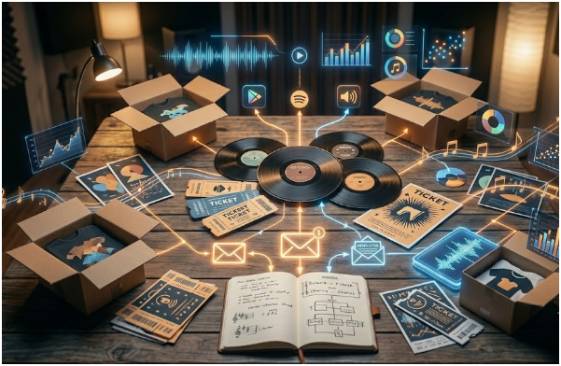
Digital platforms made music distribution democratic. They also made it crowded.
Millions of artists now compete for attention. Cheap recording tools, direct upload services, and social platforms allow more people to release music. That is good for creativity, but brutal for visibility.
DIY Artists Have More Power
Independent artists can own their masters, choose distributors, run ads, sell merch, build fan clubs, and negotiate from a stronger position. They can test ideas without asking permission.
The strongest DIY artists behave like creative businesses. They protect rights, register songs, collect publishing income, track analytics, and build direct fan channels. They also avoid giving platforms complete control over their audience.
AI Music and Streaming Fraud Add New Pressure
AI-generated tracks and fraudulent streaming activity create another challenge. Mass uploads can crowd discovery spaces. Bot-driven streams can divert money and trigger platform penalties. Artist impersonation also threatens trust.
This is where human identity becomes a competitive advantage. Real artists should show process, personality, live performance, behind-the-song stories, and fan interaction. In a market flooded with synthetic content, proof of real artistry matters.
What Artists Should Do Now
The answer is not to quit streaming. The answer is to use it with sharper expectations.
Artists should treat each platform as one part of a larger system. Streaming can build awareness. Social content can build familiarity. Email and SMS can build ownership. Shows, merch, licensing, and fan memberships can build income.
Build a Platform-Proof Fan System
A healthier artist strategy includes five parts.
First, release music consistently without rushing weak songs.
Second, collect fan contact information outside social platforms.
Third, register recordings and compositions correctly.
Fourth, create offers beyond streaming, such as merch, vinyl, tickets, lessons, or memberships.
Fifth, study analytics without letting numbers erase artistic identity.
The artist who owns the fan relationship has more leverage than the artist who only owns a profile page.
The Stream Won’t Save You, But the Fan Might
Digital platforms are powerful, but they are not generous by default. They reward attention, scale, consistency, and strong fan behavior. They also punish artists who rely on streams alone.
My honest view is simple: streaming is a stage, not the whole concert. Use it to be found. Use your songs to build trust. Then move listeners toward places where your career can breathe.
That is the real lesson behind how digital music platforms affect artists today. The platforms changed the rules, but artists still win by making people care enough to come back.
Frequently Asked Questions
1. How do digital music platforms help independent artists?
They help independent artists release globally, study listener data, reach playlist audiences, and build fans without a major label.
2. Do artists make enough money from streaming?
Most artists do not make enough from streaming alone, so they often depend on touring, merch, licensing, crowdfunding, and direct fan support.
3. Why do songs sound shorter on streaming platforms?
Songs are often shorter because artists want faster engagement, fewer skips, and more replay value inside playlist-driven listening.
4. How digital music platforms affect artists today the most?
They affect artists most through royalty pressure, algorithmic discovery, songwriting structure, market saturation, and the need for direct fan income.