When I look at what a festival weekend costs, the pass is only the first line in my budget. There’s the shuttle to the grounds, dinner between sets, and the lineup shirt I’m tempted to take home.
But how do music festivals make money beyond ticket sales? They earn through sponsorships, vendor fees, a share of food and drink sales, festival merchandise, and paid extras like camping, parking, and lockers. Some also bring in grants, donations, or media revenue. The amount the organizer receives depends on who runs each service and what the deal says.
What Sponsors Pay for at Music Festivals
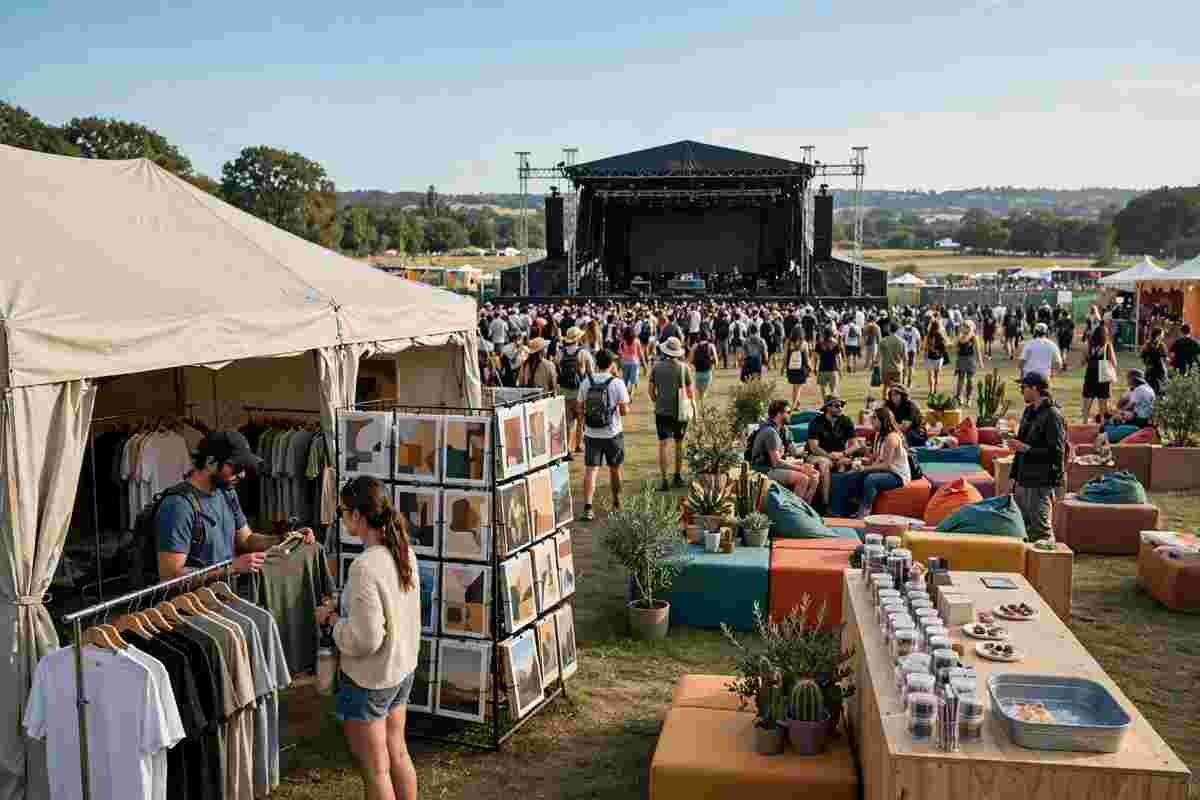
Sponsors pay to reach an audience in a setting where people may spend several hours or an entire weekend. A brand might buy naming rights to a stage, run a lounge where fans can try a product, or appear on the festival map and in the app. A beverage company might pay for the exclusive right to sell drinks in its category, giving it access to the crowd across the site.
Some sponsors contribute goods or services. A supplier might provide water stations or transportation in exchange for visibility. That can lower the organizer’s expenses, although it leaves fewer cash costs to cover only if the festival would have paid for those services anyway. Cash sponsorship can help cover deposits before the gates open. The festival may also spend some of that money delivering what it promised the brand.
How Festivals Earn Money From Food, Drinks, and Vendors

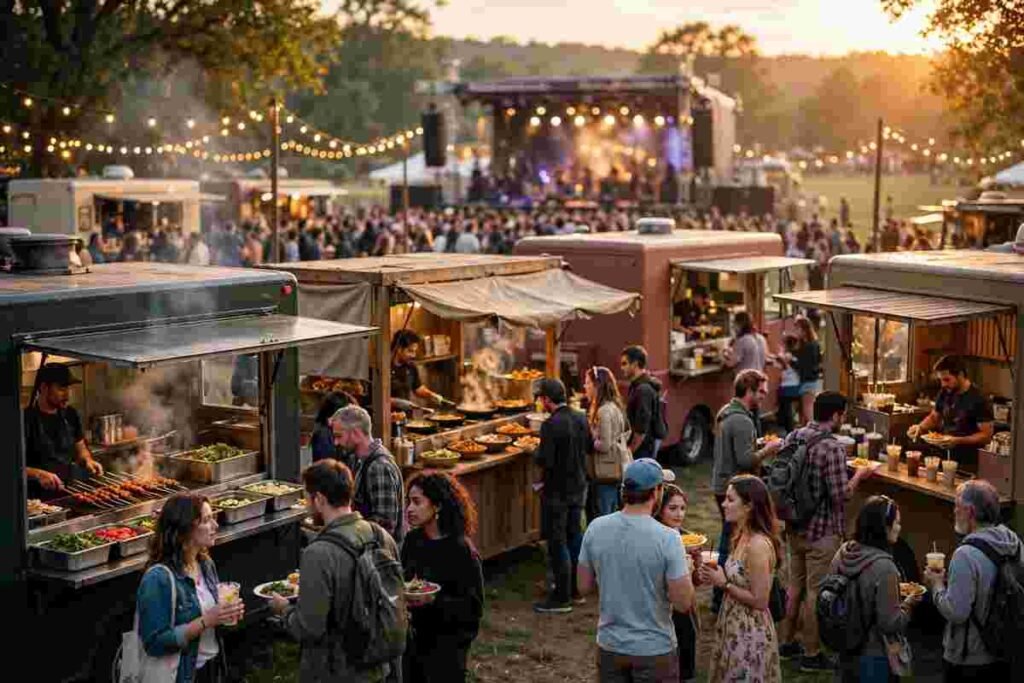
When people ask how do music festivals make money beyond ticket sales, the food court offers one of the clearest examples. The organizer might charge a flat fee for a booth, take a percentage of sales, or combine both. A flat fee gives the festival a predictable payment. A percentage gives it a larger share when sales are strong.
What a Food Truck Deal Can Look Like
Imagine a truck sells $10,000 worth of food over a weekend. Its agreement calls for a $500 booth fee plus 10% of sales. The organizer receives $1,500. The vendor has $8,500 left before paying for ingredients, labor, and other operating costs. The organizer may also have costs tied to the food area, such as electricity, waste collection, and cleaning.
Festivals can also operate their own bars or hire a concessions company. Running a bar directly lets the organizer collect sales revenue, but it also means buying stock, hiring staff, and covering service costs. With a third-party operator, the festival might collect a flat fee or a share of sales, depending on the agreement. That split is similar to how artists earn from merch sold at concerts, where the seller’s take depends on costs and whether the venue gets a cut.
What Fans Buy Besides Festival Admission
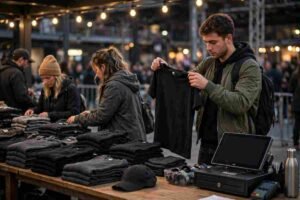
A festival-branded shirt or poster can earn the organizer money long after the lineup is announced. The margin depends on what it costs to design, print, and sell the merchandise and how much stock is left afterward. Artist merchandise can follow a separate agreement. The artist or their merch operation may handle sales, while the festival may provide space or staff for a fee or commission.
Camping, Parking, Lockers, and VIP Extras
For a multiday event, camping can become a business of its own. Standard campsites, powered spots, and ready-to-use tents can carry different prices. Preferred parking, shuttle passes, and locker rentals give fans other ways to pay for convenience. Each service has expenses, from campground staffing and sanitation to bus hire and traffic management.
A backstage pass that includes entry belongs partly to the admission business because access to the event is bundled into the purchase. A lounge upgrade sold separately to someone who already has a pass is an example of additional spending. The distinction matters when comparing how much a festival earns from admission and how much it earns from extras.
How Free Festivals Pay for the Show
A free festival can build its budget around sponsors, donations, vendor fees, and grants where eligible. Local businesses may pay for a presence at the event. A nonprofit organizer may use a grant to fund programming or collect donations during the show. Concessions and merchandise can bring in additional income once people arrive.
Some events also extend their audience through a sponsored livestream, a paid broadcast, or a licensing deal for recorded performances. The economics depend on the agreement, the rights cleared for filming and distribution, and the cost of producing the footage. A sponsor-funded stream and a paid stream can reach similar audiences while bringing in money in different ways.
Why a Sold-Out Festival Can Still Lose Money
A sellout tells you the festival reached its ticket capacity. Profit depends on whether all the organizer’s income covers the event’s costs. Artist management contracts, staging, sound, security, insurance, permits, and site rental can commit much of the budget before the first performance. A packed crowd can also cost more to serve if the event needs extra staff, shuttles, or cleanup.
Weather can affect several parts of the budget at once. If a storm sends attendees home early, bars may close, merch spending may drop, and a sponsor activation may lose hours of exposure. Meanwhile, much of the cost of bringing the festival to the site has already been incurred.
Frequently Asked Questions
1. How do music festivals make money beyond ticket sales when admission is free?
They can combine sponsorships, grants, donations, vendor payments, and a share of food and drink sales. The mix depends on the organizer, its funding eligibility, and the services offered on-site.
2. Do music festivals take a cut of artist merch sales?
Sometimes. The agreement may give the festival a percentage or a flat fee, especially if it supplies staff or runs a shared merchandise tent. The terms can vary by event and artist.
3. What happens if a food vendor has a slow weekend?
With a flat booth fee, the vendor generally owes the agreed amount even if sales are weak. With a percentage deal, the festival’s share falls as sales fall. A combined deal spreads those effects across both sides.
What I Look for Behind the Festival Price Tag
When I ask how do music festivals make money beyond ticket sales, I start with three questions. Who pays, who collects the money, and what does it cost to deliver? A sponsor can help fund the stage before opening day.
A food truck can pay for space and share part of its sales. A locker can bring in extra income from someone who already has a pass. Following those payments gives me a better picture of how a festival stays in business than the size of the crowd alone.