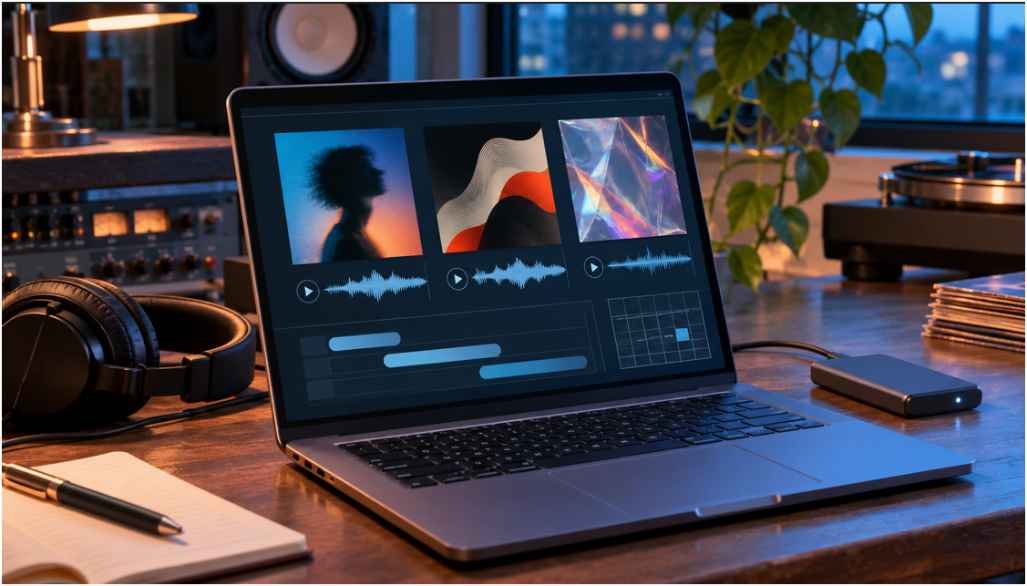
You do not need a million-dollar credit line or a corner office in Los Angeles to launch a profitable music company. When I helped structure my first boutique imprint with less than $2,500 in working capital, skipping vanity expenses and locking down royalty plumbing on day one made all the difference. Knowing how to start an independent record label on a small budget comes down to putting every dollar into rights ownership, clean distribution, and targeted release marketing.
Most new label founders burn their cash on custom merch, expensive logos, and unrecoupable studio advances before releasing a single track. By following a lean operational blueprint, you can legally incorporate, sign artists on fair profit-share agreements, and collect global master royalties without drowning in overhead.
The Lean $2,500 Label Launch Budget That Actually Works
Before registering a name or pitching artists, map out exactly where your seed money goes. In my experience, $2,500 covers every legal, administrative, and promotional essential needed to release your first three-song EP.
Line-by-Line Startup Cost Breakdown
Keep fixed overhead near zero and reserve at least 40% of your capital for post-release marketing. Here is the exact allocation I use for micro-label launches:
| Expense Category | Estimated Cost (USD) | Purpose |
| LLC Filing & State Registration | $150 – $300 | Separates personal assets from business liability. |
| US ISRC Registrant Code | $95 | Generates unique tracking codes for every master recording. |
| Music Attorney Template Review | $500 – $750 | Customizes a reusable net-profit artist agreement. |
| Label Distribution Plan (Annual) | $100 – $250 | Unlimited releases across multiple artists with split pay. |
| Release Marketing & Playlist Pitching | $1,000 – $1,200 | Targeted short-form ad campaigns and PR outreach. |
| Total Launch Capital | $1,845 – $2,595 | Covers full legal setup plus a 3-track rollout. |
Step 1: Register Your Business Entity and Protect Your Personal Assets

Operating a record label as an informal hobby exposes your personal savings to copyright disputes and unpaid contractor claims. Form a proper legal entity before signing any artist or paying a mixing engineer.
Forming an LLC and Securing an EIN
According to the U.S. Small Business Administration (SBA), forming a Limited Liability Company (LLC) shields your personal assets from business debts while keeping tax filing simple. File your Articles of Organization directly through your state’s Secretary of State website to avoid third-party filing markups. Immediately afterward, request a free Employer Identification Number directly from the IRS online portal.
Opening a Dedicated Label Bank Account
Never mix label streaming payouts with your personal checking account. Take your approved LLC certificate and EIN to a business bank and open a zero-fee checking account. Clean bookkeeping makes quarterly royalty accounting painless and proves to artists that you run a transparent operation.
Step 2: Set Up Global Royalty Infrastructure and ISRC Codes
A label’s core asset is its catalog of master recordings. If your metadata is sloppy at launch, neighboring rights and streaming royalties vanish into black-box pools.
Obtaining Your Label ISRC Registrant Code
Every song you release requires a unique International Standard Recording Code (ISRC) to track sales and streams globally. Rather than relying on free distributor-assigned codes that tie your catalog to one platform, apply for your own five-character registrant prefix through the U.S. ISRC Agency. Paying the one-time $95 fee lets your label issue up to 100,000 codes per year forever.
Registering Master Rights with SoundExchange and PPL
Distributors collect interactive streaming royalties from Spotify and Apple Music, but they do not collect non-interactive digital radio royalties. Register your label as a Sound Recording Copyright Owner with SoundExchange to capture payouts from SiriusXM, Pandora, and webcasters. If your releases gain traction outside North America, register directly with international neighboring rights societies like PPL UK as well.
Step 3: Structure Artist Deals Without Giant Cash Advances

When learning how to start an independent record label on a small budget, your biggest competitive advantage is deal flexibility. Artists often reject major labels because they hate permanent master buyouts and predatory recoupment math.
Using 50/50 Net Profit Splits Instead of Heavy Advances
Skip traditional royalty deals that require $15,000 advances you cannot afford. Instead, offer emerging artists a 50/50 net profit split on a three-to-five-year exclusive license. Under this model, the artist delivers finished masters, your label funds distribution and $500 in marketing, and you split every dollar left after documented release expenses are recouped.
Separating Master Deals from Publishing Rights
Keep your first label contracts focused strictly on master recording rights rather than grabbing 360 percentages of touring or merch. If you eventually decide to administer songwriters’ compositions alongside their masters, use a separate agreement and review the clauses inside a music publishing contract so both sides understand reversion and split rules.
Step 4: Choose Label Distribution and Roll Out Your First Single
Modern digital aggregators give small imprints the exact same global shelf space as major distributors. Pick a platform built for multi-artist rosters rather than a solo-artist plan.
Selecting Multi-Artist Label Aggregators
Compare aggregators that support automated royalty splits, custom label names, and bulk catalog uploads. Before locking into an exclusive upstream partner, weigh the distribution deal pros and cons for artists and labels alike—paying an annual flat fee around $150 usually beats surrendering 15% of gross revenue forever.
Running a Waterfall Release Strategy on a Micro-Budget
Do not drop a full album on day one with a small marketing budget. Release one single every five weeks using a waterfall strategy, bundling each new single with the previous tracks on Spotify. This approach compounds algorithmic streams and stretches a $1,000 ad budget across four months of continuous momentum.
Frequently Asked Questions
1. How much money do you realistically need to start a record label?
You can launch a legally compliant digital record label for $1,800 to $2,500 by focusing on LLC registration, ISRC codes, contract templates, and targeted digital marketing.
2. Do I need a physical office to start an independent record label?
No, modern independent labels operate remotely using cloud accounting, digital distributors, and freelance mixing or PR contractors.
3. How do small record labels make money without selling CDs?
Small labels generate revenue through streaming royalties, digital neighboring rights via SoundExchange, sync licensing for film and games, and limited-run vinyl pre-orders.
4. Should a new record label own the artist’s masters forever?
No, offering a 3-to-7-year master license with a 50/50 net profit split attracts stronger independent talent than demanding permanent copyright ownership.
Press Play on Your Roster, Not Your Savings Account
Building a respected imprint has nothing to do with flashy studio spaces and everything to do with clean paperwork, smart deal math, and consistent releases. File your LLC, claim your ISRC prefix, and lock in one great single that proves your taste to listeners and future partners alike. Your first release will teach you more about the music business than ten years of planning ever could.