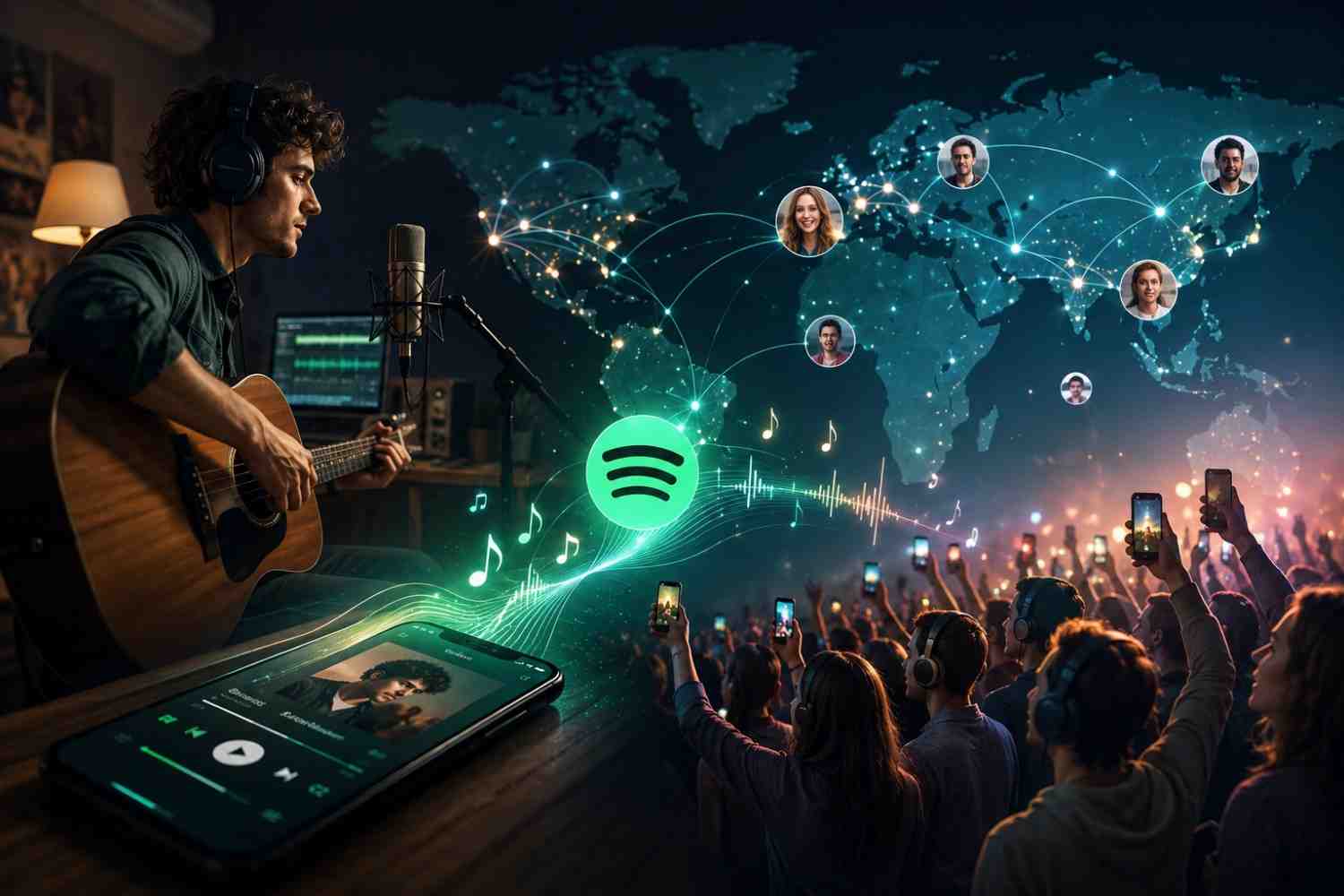
Not long ago, breaking into the music industry usually meant landing a record deal, getting radio play, and hoping the right people noticed your work. Today, that path looks very different. A song recorded in a bedroom studio can reach millions of listeners within days if it connects with the right audience.
That’s one of the biggest reasons songs trending on Spotify have become so fascinating to watch. While major artists still dominate headlines, independent musicians are increasingly sharing the spotlight. Streaming platforms, playlist culture, and fan-driven discovery have created opportunities that simply didn’t exist a decade ago.
How Streaming Changed the Rules for Independent Artists?
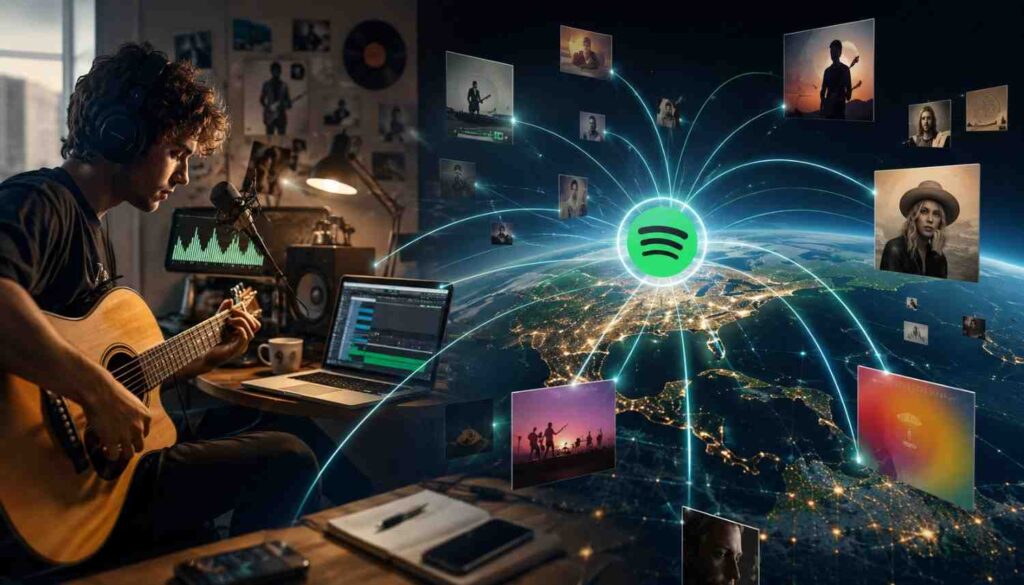
Spotify has transformed music discovery from an industry-controlled process into one largely influenced by listeners. Instead of depending solely on radio stations or record labels, artists now have multiple ways to reach audiences through algorithmic recommendations, curated playlists, and organic sharing.
This shift has lowered the barrier to entry. Independent musicians can release songs whenever they’re ready, analyze listener data, and build momentum without waiting for approval from traditional gatekeepers. The result is a much more competitive and far more diverse music landscape.
Why Songs Trending on Spotify Are Featuring More Independent Artists
Royalty Growth Is Creating New Opportunities
Streaming has become a realistic source of income for more musicians than ever before. Recent Spotify data shows that the number of artists earning meaningful royalties continues to grow, proving success is no longer limited to global superstars.
For independent artists, consistent streaming revenue can help fund better production, marketing, touring, and future releases. Instead of relying on one breakthrough moment, many creators are building sustainable careers through loyal audiences who return to their music regularly.
Consistency Now Matters More Than One Viral Moment
Going viral still helps, but it isn’t the only path to visibility.
Spotify’s recommendation system increasingly rewards artists who release music consistently and maintain strong listener engagement over time. Repeat plays, song saves, playlist additions, and completion rates all send positive signals that encourage further recommendations through features like Discover Weekly, Spotify Radio, and personalized listening experiences.
Artists releasing a steady flow of singles, live versions, or acoustic tracks often maintain stronger long-term visibility than those relying on a single hit.
Global Audiences Are Easier to Reach Than Ever
One of streaming’s biggest advantages is its borderless reach.
More than half of Spotify streams now come from outside an artist’s home country. Programs such as Fresh Finds and RADAR introduce emerging musicians to listeners across dozens of countries, allowing artists to grow international fan bases long before booking global tours.
For independent creators, worldwide discovery is no longer reserved for artists backed by major labels.
The People Influencing Music Discovery Have Changed

Playlist Curators Are Becoming the New Tastemakers
Editorial playlists remain influential, but they are no longer the only path to exposure.
Independent playlist curators, music bloggers, DJs, influencers, and niche online communities now help shape listening habits every day. A placement on a well-followed mood playlist or genre-specific collection can introduce thousands of listeners to an emerging artist.
This shift has democratized music discovery by giving passionate curators a larger role in deciding what audiences hear next.
Algorithms Follow Listener Behavior
Spotify’s algorithm doesn’t simply reward popularity; it responds to behavior.
When listeners finish songs, replay tracks, save them to their libraries, or share them with friends, the platform interprets those actions as signs of quality and relevance. These engagement signals help determine which tracks receive additional exposure through personalized recommendations.
In many cases, listener behavior carries just as much weight as marketing budgets.
Social Media Gives Songs a Stronger Starting Point
Many songs trending on Spotify actually begin gaining attention somewhere else.
Short-form videos, creator content, dance challenges, reaction clips, and fan edits often introduce new music to millions before streaming numbers accelerate. Once enough people begin searching, saving, and replaying a track, Spotify’s recommendation system amplifies that momentum.
Many global hit songs 2026 have followed this pattern, moving from creator communities to streaming playlists before eventually reaching mainstream charts. Rather than replacing Spotify, social platforms have become an important first step in the music discovery journey.
Success Today Is Built Around Community Instead of Record Labels

Independent artists are also connecting with fans in ways that weren’t possible before.
Spotify for Artists allows musicians to understand audience demographics, promote merchandise, announce new releases, and monitor engagement metrics that help shape future strategies. Combined with social media, email newsletters, and live events, these tools help creators build genuine communities instead of depending solely on promotional campaigns.
Fans increasingly support artists because they feel personally connected to their journey. That loyalty often translates into stronger streaming numbers, sold-out shows, and long-term career growth.
The Future of Music Belongs to Listeners as Much as Artists
Streaming culture continues to reshape how music is discovered, shared, and celebrated. Independent artists are proving that consistent creativity, authentic storytelling, and engaged communities can compete with even the biggest marketing campaigns. As recommendation algorithms become smarter and audiences continue exploring niche genres, the gap between established stars and emerging talent will likely become even smaller.
Rather than asking who signed the biggest record deal, listeners are paying attention to who made the best song. That shift may be the biggest change the music industry has seen in years.
FAQs: The Rise of Independent Artists Through Songs Trending on Spotify
1. Why are more independent artists trending on Spotify?
Streaming algorithms, playlists, and direct fan engagement help talented artists reach listeners without relying entirely on record labels.
2. Do artists still need viral songs to succeed?
Not always. Consistent releases and strong listener engagement often create better long-term growth than one viral hit.
3. How does Spotify recommend new music?
It analyzes listening habits, including saves, repeat plays, playlist additions, and similar user preferences to personalize recommendations.
4. Can independent artists build international audiences?
Yes. Spotify’s global reach and discovery features help many independent musicians attract listeners across multiple countries.
Why Great Music Doesn’t Wait for Permission
The music industry hasn’t stopped rewarding talent; it has simply changed how talent gets discovered. Today, passionate listeners, independent curators, and recommendation algorithms play a bigger role than traditional gatekeepers ever could. That shift has opened the door for musicians who consistently create meaningful work and build genuine relationships with their audiences instead of chasing short-term trends.
The next artist dominating your playlist may not come from a major label. They may simply be one great song away from being discovered.