A song doesn’t have to top the charts anymore to shape music culture. Sometimes all it takes is a trending sound, a fan-made edit, or a playlist that spreads across millions of listeners in a matter of days. Music has become more personal than ever, and people are discovering it through moments rather than traditional genres.
That shift has changed how artists create and how audiences listen. Today’s biggest songs are remembered not only for catchy hooks but also for the emotions they capture, the conversations they spark, and the communities they build.
From genre-blending experiments to deeply personal storytelling, the songs shaping music culture right now reveal just as much about listeners as they do about the artists behind them.
Songs Are Becoming Cultural Markers Instead of Just Entertainment
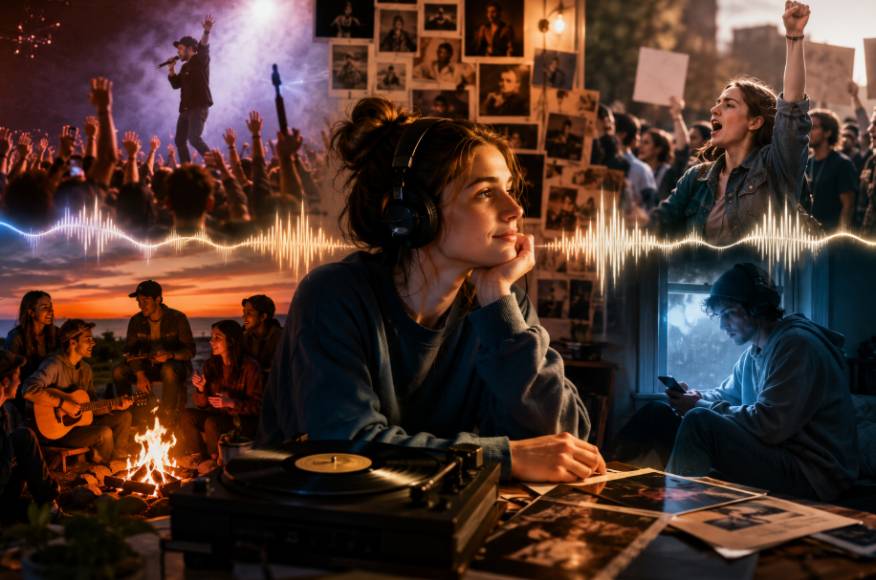
For years, music was largely organized by genres. Rock fans listened to rock, country fans stayed with country, and pop playlists followed predictable patterns. Streaming platforms have changed that completely.
Today, playlists, recommendation algorithms, and social media have blurred those boundaries. A single playlist can feature alternative rock, electronic music, country, and R&B without feeling out of place. Listeners now search for songs based on mood, activities, or experiences instead of sticking to one category.
This shift has made songs more influential because they have become part of everyday life. They soundtrack workouts, road trips, celebrations, and even quiet evenings at home. Music has become an extension of personal identity rather than simply another form of entertainment.
Genre-Bending Is Redefining Music Culture
Blending Sounds Creates New Creative Freedom
One of the strongest trends among the songs shaping music culture is the willingness to ignore traditional genre boundaries.
Artists like Charli xcx continue to blur the lines between electronic music, experimental pop, and club culture. Tracks such as SS26 feel less like conventional pop songs and more like snapshots of a specific cultural moment, reflecting the irony, uncertainty, and energy that define modern nightlife.
Kelela approaches music differently by combining atmospheric R&B with electronic production and cinematic storytelling. Rather than following a predictable structure, songs like Idea 1 create immersive listening experiences that reward repeated plays.
PinkPantheress has also helped revive interest in UK garage and early-2000s dance music, proving that familiar sounds can feel fresh when paired with modern production and contemporary storytelling.
Listeners Are Following the Feeling, Not the Genre
The popularity of curated playlists has encouraged people to think less about genres and more about emotions.
Whether someone searches for relaxing music, study playlists, late-night drives, or workout tracks, the common thread is the experience the music creates. Streaming platforms recognize these listening habits and recommend songs based on mood, encouraging audiences to explore artists they might never have discovered through traditional categories.
As a result, music discovery feels more natural and personal than ever before.
Personal Stories Are Creating Stronger Connections
Authentic Lyrics Continue to Resonate
Technical production still matters, but emotional honesty has become one of the defining characteristics of modern music.
Olivia Rodrigo has built much of her success on deeply personal songwriting. Tracks like drop dead embrace vulnerability, heartbreak, and self-discovery in ways that feel relatable rather than manufactured. That authenticity has influenced not only music but also fashion, online conversations, and youth culture.
Ella Langley reflects a similar shift through what many describe as “postcard country.” Songs like Choosin’ Texas focus on memories, relationships, and a sense of place instead of relying on larger-than-life narratives. The result feels intimate, allowing listeners to connect with stories that resemble their own experiences.
Songs Are Becoming Personal Time Capsules
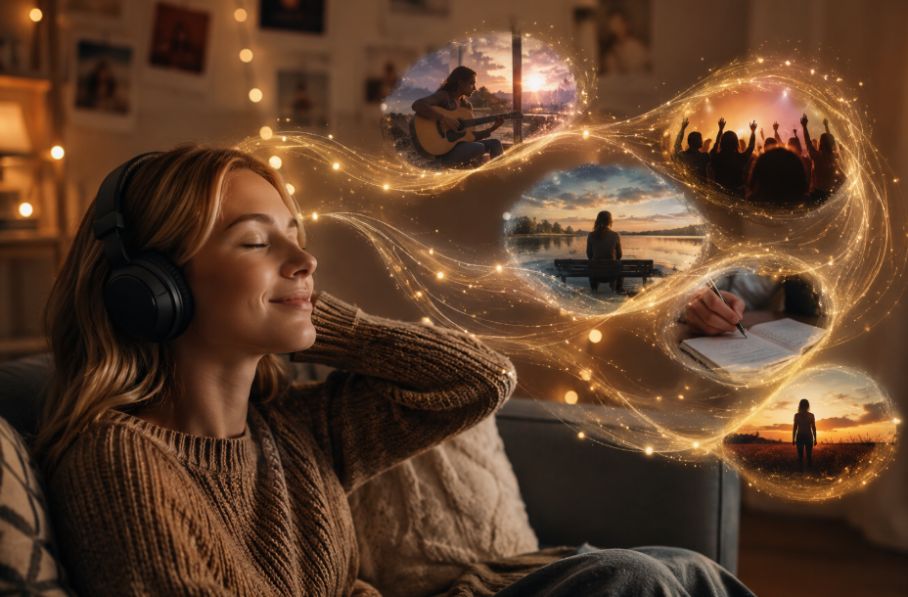
Many listeners now associate songs with specific moments in their lives rather than simply remembering when they were released.
Whether it’s a graduation, a cross-country drive, or a favorite vacation, music has become a way to preserve memories. That’s one reason playlists remain so popular. Collections built around specific experiences often carry more emotional value than albums organized by genre.
Even playlists featuring trending road trip songs 2026 reflect this shift. Rather than focusing on a particular musical style, they bring together tracks that match a shared experience, reinforcing how listeners now define music through moments instead of categories.
Nostalgia Is Powering Today’s Biggest Hits
While artists continue pushing creative boundaries, they’re also looking backward for inspiration, and many global hit songs 2026 show how familiar sounds can return with fresh production, new emotions, and stronger cultural impact.
Early-2000s club music, Y2K fashion, and nostalgic production styles have made a noticeable comeback across pop and dance music. Rather than copying older sounds, artists are updating them with modern production techniques and fresh perspectives.
PinkPantheress and Zara Larsson’s Stateside remix captures this balance particularly well, combining familiar dance rhythms with contemporary pop melodies that appeal to both longtime fans and younger listeners discovering those influences for the first time.
Bruno Mars has similarly demonstrated how timeless songwriting can evolve without losing its appeal. Tracks like Risk It All blend rhythmic precision, soulful melodies, and polished production while remaining accessible to modern audiences.
Nostalgia continues to work because it creates familiarity without preventing innovation.
Fans Now Shape Music Culture as Much as Artists
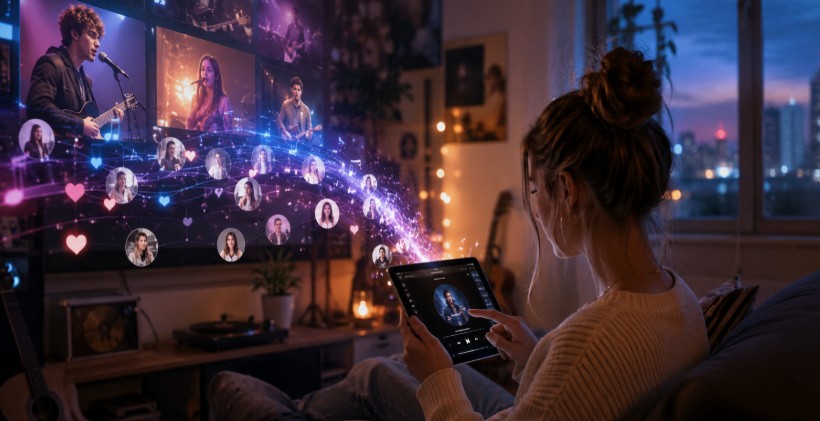
Artists may release the songs, but listeners increasingly determine which ones become cultural moments.
Short-form videos, fan edits, reaction clips, live performances, and user-generated content can introduce songs to audiences far beyond an artist’s original fan base. A single creative video has the potential to transform an overlooked track into an international conversation almost overnight.
This level of audience engagement has also changed how artists interact with fans. Many musicians now embrace community feedback, behind-the-scenes content, and direct conversations that strengthen the connection between creators and listeners.
Music culture has become more collaborative. Instead of simply consuming songs, audiences actively participate in shaping their success.
FAQs:
1. Why are songs becoming more influential than albums?
Streaming and playlists encourage listeners to discover individual songs that match their mood or activity, allowing standout tracks to gain cultural momentum more quickly.
2. Why do artists combine multiple genres today?
Genre-blending helps artists reach wider audiences while reflecting diverse musical influences and modern listening habits.
3. How does social media affect music culture?
Platforms amplify songs through user-generated videos, fan communities, and viral trends, often introducing music to entirely new audiences.
4. Why are older music styles becoming popular again?
Nostalgic sounds create familiarity while modern production keeps them relevant, helping classic influences connect with today’s listeners.
Why Great Songs Keep Finding New Meanings
The songs shaping music culture today are more than background entertainment. They capture emotions, reflect social trends, revive forgotten sounds, and create shared experiences across generations.
Technology may influence how people discover music, but meaningful songs continue to resonate because they tell stories that listeners see themselves in.
As platforms evolve and listening habits change, one thing remains constant: great songs never stop finding new audiences or new meanings.