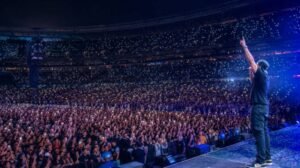
A song grabs attention, but a brand makes people stay. Here at Artist Updates, we look at how artists build brands as turning sound, story, visuals, values, and fan energy into one memorable identity that follows the music everywhere.
Music history proves it. From Motown polish, punk grit to hip-hop crews and pop eras, remembered musicians built worlds fans could recognize, stream, and share.
Define Your Artist Identity
A strong artist brand starts with knowing who you are.
Mission And Vision
Your mission explains why you create today, while your vision shows where the journey goes. A songwriter may heal; a rapper may document ambition, struggle, culture, and victory.
This foundation guides marketing, bios, release strategy, and social voice. It helps curators, journalists, managers, and fans understand your direction without guessing.
Core Values And Purpose
Values are the beliefs behind your choices, such as freedom, faith, rebellion, love, community, or cultural pride. They should appear naturally in lyrics, visuals, collaborations, and fan communication.
The “why” matters because fan culture is built on identity. Hip-hop grew through truth-telling, punk through resistance, and gospel through faith. Purpose gives listeners something deeper than a hook.
Signature Sound And Style
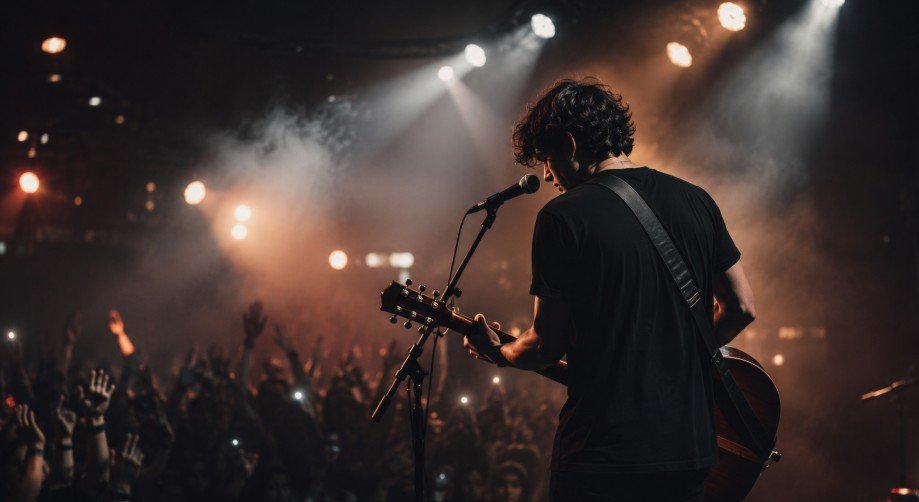
Your music should act like your first logo. Before someone sees your photos or fonts, they should hear a tone, rhythm, mood, or lyrical pattern that feels like you.
Think about Prince’s mystery, Nirvana’s tension, Beyoncé’s precision, or Billie Eilish’s atmosphere. Different genres, same lesson: a distinct creative voice builds memory.
Establish Visual Anchors
Your visuals help listeners recognize your music before pressing play.
Color And Typography
Choose two or three colors that fit your sound. A soulful R&B act might use warm browns or midnight blues. An electronic artist may choose black, neon, or futuristic gradients.
Fonts matter too. Your website, cover art, posters, and thumbnails should feel connected. The goal is to look intentional and memorable.
Photography And Image
A consistent photo style can become part of your artist identity. Bright daylight, street shots, cinematic shadows, vintage flash, or clean portraits all send different signals.
This matters for press kits, profiles, headers, posters, and coverage. MTV-era artists used videos and styling to shape memory. Today, a profile photo can work fast.
Platform Alignment
Use matching usernames, bios, avatars, links, and descriptions across major music and social platforms. Confusion hurts discovery.
Your digital presence should feel like one hub. A fan who finds your reel should easily reach your single, merch, newsletter, tour dates, and artist updates.
Share Your Process And Story
People connect with people first, then they support the music.
Behind The Scenes
Show studio diaries, demo clips, songwriting notes, rehearsals, soundcheck footage, beats, or album cover ideas. These pieces help fans feel close to the process.
You do not need to overshare. Share what feels natural, so listeners feel like they are watching the song grow from idea to release.
Personal Narrative
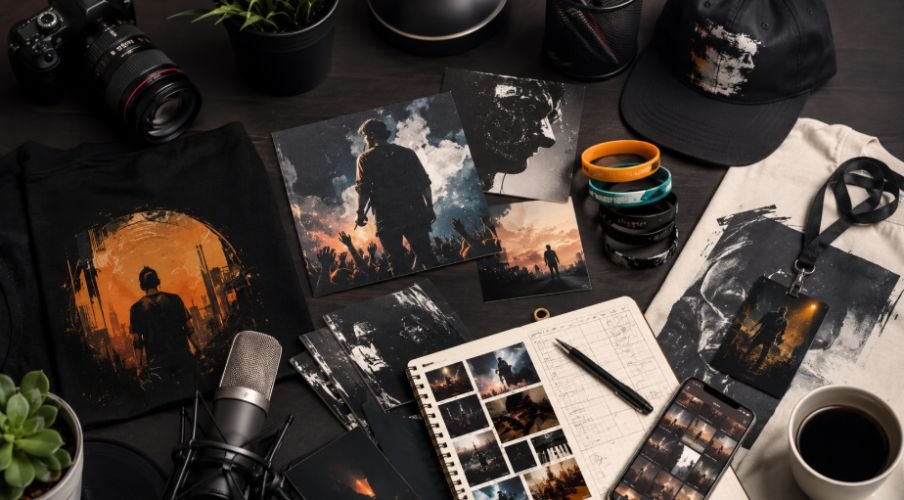
Your story should explain what shaped your music. Maybe your city, family, culture, heartbreak, faith, fashion, politics, or personal battles shaped your voice.
This is where E-E-A-T matters for music blogs and artist brands. Real experience creates authority. Fans trust artists who sound honest and grounded in lived perspective.
Culture And Interests
Your brand can include the communities and interests around your art. Fashion, gaming, activism, film, street culture, dance, poetry, spirituality, or local scenes can influence creative direction.
Great artists often become cultural signals. Fans do not only stream them. They borrow their language, mood, style, and worldview.
How Artists Build Brands In Real Life
This practical section shows how artists build brands step by step.
Audit Your Current Image
Open your profiles, website, press photos, pinned posts, bios, and cover art. Ask whether they feel like the same artist. If each platform tells a different story, fans may feel lost.
Then fix the basics. Update your bio, use a clear image, clean links, refresh artwork, and make your latest release easy to find.
Build A Direct Fan Hub
Your website or portfolio should be your brand’s home. It can include music, bio, videos, press kit, merch, dates, contact details, and newsletter signup.
Do not rely only on algorithms. Email newsletters and direct fan lists help you speak to listeners without waiting for a platform to show your post.
Track What Works
Analytics are clues about what your audience loves. Watch which reels get saves, songs get repeats, emails get clicks, and posts start conversations.
Use that feedback to refine your content, release cycle, and fan engagement. Strong artist branding grows through creativity and careful listening.
Cultivate Community And Experience

A brand becomes powerful when fans feel included.
Emotional Bond
Fans support artists who make them feel seen. This bond grows through lyrics, replies, shows, shoutouts, captions, and moments that feel personal.
Community is why band tees, fan chants, album eras, and concert rituals matter. They turn music into shared identity.
Premium Positioning
A strong brand can raise perceived value. Musicians use it to sell merch, vinyl, VIP tickets, limited drops, and live experiences.
People pay more when they understand the world behind the work. Branding makes that world clearer.
As an artist brand grows, it should also connect with the business side of music. Understanding streaming income, publishing rights, licensing, and performance payments makes it easier to protect your work, plan releases, and learn how do music royalties work as part of long-term career growth.
Smart Collaboration
Collaborate with artists, producers, photographers, stylists, dancers, designers, and creators who fit your values and sound. Good partnerships improve business and expand reach.
A random feature may bring attention. A thoughtful collaboration can build authority, trust, and recognition.
Frequently Asked Questions
1. How Do I Build My Brand As An Artist?
Start with your sound, values, story, audience, visuals, and message. Then apply them consistently across releases, social media, website, merch, press kit, shows, and fan engagement.
2. What Is The 70 30 Rule In Art?
The 70/30 rule means keeping about 70% of your creative identity consistent while using 30% for experiments, trends, new visuals, fresh sounds, or brave artistic risks.
3. What Are The 5 C’s Of Branding?
The 5 C’s are clarity, consistency, content, connection, and credibility. For artists, they help your music, story, visuals, and audience experience feel focused and trustworthy.
4. What Is The 80/20 Rule For Artists?
The 80/20 rule means a small number of efforts often create most results. Your strongest songs, loyal fans, best platforms, or repeatable content formats may drive growth.
Encore Energy: Build The Brand Fans Feel
The secret to how artists build brands is consistency. Your sound, story, visuals, values, digital hubs, merch, and fan experience should point toward one identity. Music history shows unforgettable artists create worlds that fans enter, remember, and proudly share.