Every studio chat now seems to end with someone asking whether AI music is genius, theft, or just another plug-in. That is why copyright AI music news matters for Artist Updates readers who care about songs, royalties, fan trust, and music history.
Key Takeaways
- AI music can help, but copyright protection still depends on meaningful human creativity.
- Training data, consent, compensation, likeness, and licensing are the biggest fights.
- Suno, Udio, Nvidia, Google, labels, unions, and platforms are shaping the rules now.
- Artists should document lyrics, vocals, stems, prompts, edits, splits, and platform terms.
- Use AI as a tool, not an invisible artist replacement.
High-Profile Lawsuits
The courtroom is now one of the loudest stages in AI music, and every filing points toward future rules.
Nvidia And Jamendo
Jamendo has sued Nvidia in federal court in California, accusing the company of using its catalog to trAI n audio models including Fugatto and Audio Flamingo without permission. For indie musicians, catalogs have value even when they are not chart hits.
Suno And Udio
Sony, Universal Music Group, and other labels have sued Suno and Udio over alleged copyright infringement tied to AI model training. These cases dominate copyright AI music news because the platforms can turn text prompts into full songs, and labels have pushed to add more than 61,000 recordings.
AFM Challenges Label Deals
The American Federation of Musicians has sued Universal and Warner, claiming musicians were not properly compensated after AI licensing deals involving Suno and Udio. That twist matters because drummers, bassists, backing vocalists, and studio players helped build the sound AI companies want to analyze.
Industry Pushback And Consent
Consent has become the new chorus of the AI music debate, and artists are singing it loudly.
Global Artist Demands
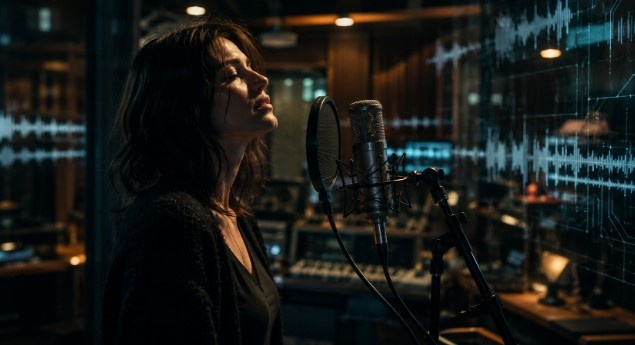
A global coalition of artist, songwriter, and manager groups has pushed back agAI nst default opt-in AI clauses in label and publishing contracts. Their demand is simple: no hidden permission, no vague language, and no AI use without meaningful consent.
This is a major shift from old music-business habits. Artists have long signed complicated agreements they barely controlled. Now, AI rights may become as important as publishing splits, master ownership, and sync rights.
The YouTube Defense
Google has argued in court that artists who uploaded music to YouTube gave broad rights through the platform’s Terms of Service, including rights connected to AI projects such as Lyria. Independent artists say upload terms should not become a quiet backdoor for model trAI ning.
Artists must read platform terms like split sheets. A casual upload can become part of a bigger rights debate. Know where your music lives and what permissions each platform clAI ms.
Platform Rules And AI Music Law
Streaming platforms are already changing how AI music is detected, labeled, recommended, and pAI d.
Spotify And Deezer Crack Down
Spotify has said it removed more than 75 million spammy tracks in a 12-month period as AI tools made mass uploading easier. Deezer reported that AI -generated tracks reached 44 percent of new uploads by April 2026.
That does not mean every AI -assisted song sparks debates. It means platforms are fighting spam, fake streams, impersonation, and low-effort uploads. Artists who use AI responsibly should avoid the “generate, upload, repeat” trap.
Human Authorship Still Leads
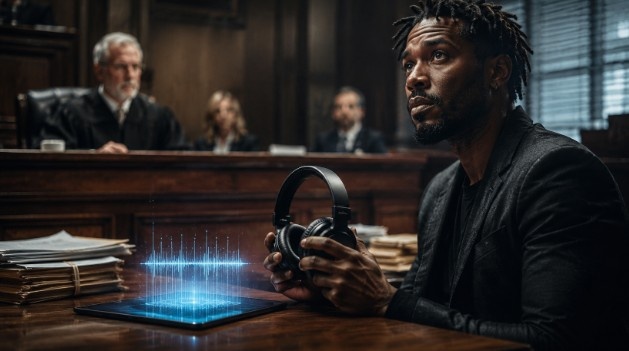
The U.S. Copyright Office continues to emphasize human authorship. Works created entirely by AI without meaningful human control may not receive copyright protection, which can leave them effectively outside protected ownership.
For musicians, this is practical. Human lyrics, original vocals, arrangement choices, editing, production, mixing, and performance notes can show creative control. The more your fingerprint is on the track, the stronger your story becomes.
How-To Use Copyright AI Music Carefully
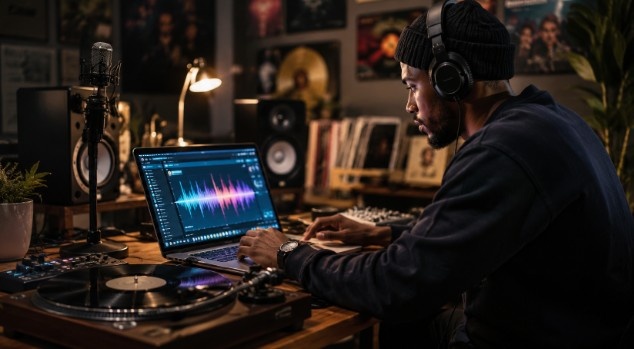
Use AI like a studio assistant with headphones on, not like a mystery songwriter hiding in the credits.
Step One: Build From You
Start with a human idea. Write a lyric, hum a melody, record a riff, choose a tempo, shape chords, or create a vocal phrase. Then use AI to test moods, textures, arrangements, or demo directions.
This keeps songs rooted in artistry to stay creative. It also helps you explain what you created if a distributor, collaborator, or copyright adviser asks later.
Step Two: Keep A Rights Folder
Save drafts, prompts, DAW sessions, stems, voice notes, lyric pages, screenshots of tool terms, collaborator messages, and final mix files. Treat this folder like a backstage pass for your song’s legal history.
Documentation does not kill creativity. It protects it. If your track grows, gets placed, disputed, or licensed, you will be glad your paper trail exists.
Step Three: Release With Care
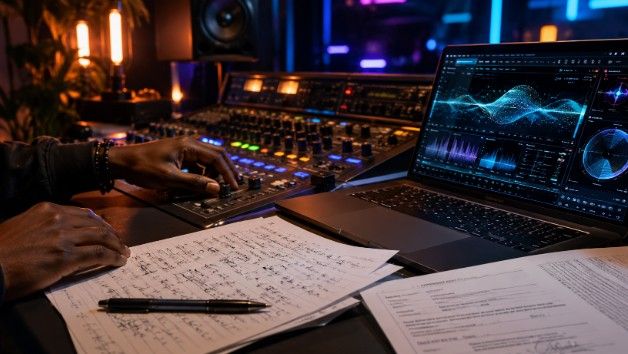
Before release, listen for similarities to famous melodies, vocal tones, hooks, or artist identities. Avoid prompts that ask for a living artist’s voice, exact style, producer tag, or signature sound.
Then check distributor rules, streaming policies, and commercial-use rights. AI music can support a smart artist workflow, but blind uploading can turn a fun experiment into a copyright headache.
Music History Makes It Clear
Music revolution starts with panic, then rules.
Sampling once scared the industry, then became a foundation of hip-hop, pop, and electronic music after licensing norms developed. Auto-Tune was mocked, then became a signature sound for artists from T-PAI n to modern trap and hyperpop voices.
AI music may follow a similar path, but with higher stakes. It can copy patterns faster, imitate voices more closely, and flood platforms more easily. That is why copyright AI music news belongs in every artist’s weekly routine.
Frequently Asked Questions
1. What Is copyright AI music news?
Copyright AI music news covers lawsuits, licensing deals, artist consent, AI trAI ning disputes, platform rules, and copyright updates affecting songs, recordings, voices, royalties, and release strategies.
2. Can Artists Copyright AI Music?
Artists may protect human-created parts of AI -assisted music, such as lyrics, vocals, arrangements, edits, and production choices. Fully machine-made outputs may have weak or no copyright protection.
3. Is AI Music Safe For Spotify?
AI -assisted music can be distributed carefully, but spam uploads, fake streams, impersonation, and unclear rights can trigger removals, demonetization, distributor problems, or listener trust issues.
4. Why Should Indie Artists Care?
Indie artists often have less legal support, so they must protect catalogs early. Clear consent, clean metadata, documentation, and smart AI use can prevent costly problems later.
Final Encore: Keep Your Songs Human
Copyright AI music news is not here to scare artists away from new tools. It is here to help musicians use them wisely. The future will likely include AI , licensing, detection, and fresh workflows. Still, the strongest songs will keep a human pulse, a clear paper trAI l, and a story fans can believe in.