Every artist knows that quiet moment when the idea feels close, but nothing lands. Learning how to stay creative as an artist is not about chasing inspiration all day. It is about building habits that keep your mind open, your energy protected, and your art connected to real life.
For music artists, creativity has always been practice, curiosity, and emotional honesty. Blues turned struggle into story. Jazz made improvisation a language. Hip-hop transformed samples into fresh culture. Your spark can work the same way, by turning daily moments into something people feel.
Key Takeaways
- Creativity grows through rhythm, not pressure.
- Small goals beat waiting.
- Experimentation keeps art playful.
- Music history proves new ideas come from mixed influences.
- Rest protects your best work.
Why This Spark Matters
Staying creative sounds fun, but it is survival for artists. Music moves fast, fans expect updates, and platforms reward output. That is why how to stay creative as an artist matters. Without a system, talent can feel like a phone stuck at one percent.
Creativity does not need to be dramatic. A catchy hook, fresh beat, late-night lyric, or new mood can restart everything. It stays alive when you give it room to breathe and play.
Build Consistent Habits
A steady creative rhythm helps you make progress even on days when inspiration acts shy.
Create Micro-Routines
You do not need a huge studio session every day. Try five to ten minutes of writing, humming, sketching, beat-making, or arranging. These bursts lower pressure and make starting easier. Many songs begin as voice notes, chords, or one honest line.
Remove Creative Friction
Keep your tools close. Leave your notebook open, your guitar tuned, your keyboard ready, or your recording app easy to reach. The less effort it takes to begin, the more likely you are to catch ideas before they disappear. A simple setup beats a perfect setup.
Establish A Creative Cue
Anchor creative time to one repeatable action. Light a candle, play a warm-up playlist, stretch your hands, open yesterday’s draft, or make tea before writing. A cue tells your brain, “we are creating now,” and that makes focus easier.
Embrace Play And Experimentation
Play keeps art from becoming stiff, especially when your work starts feeling too serious.
Keep An Ugly Sketchbook
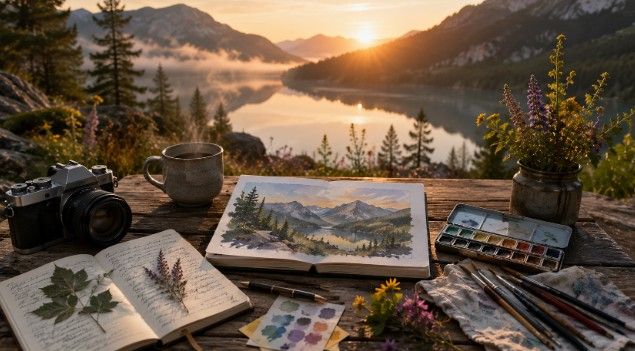
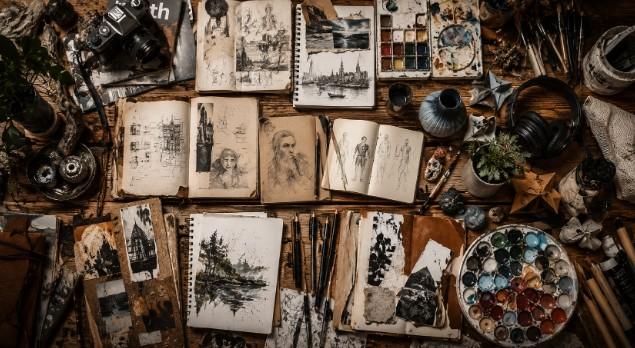
Every artist needs a private place where the work can be messy. For musicians, this might be an ugly demo folder full of strange hooks, weak verses, and odd sounds. Do not judge it. Let it become your playground.
Set Fun Constraints
Limits can unlock fresh ideas. Use only two chords, one drum kit, three colors, or a single phrase. Early blues used simple structures and still carried deep emotion. Punk proved raw energy can matter more than polish. Restrictions can push originality.
Switch Your Medium
A blocked songwriter can try collage. A producer can write a poem. A singer can sketch a music video mood. Changing the medium wakes up imagination and helps you return to your craft with new angles.
Find Fresh Inspiration
Fresh input gives your art new color, rhythm, texture, and story.
Change Your Scene
Move your creative work to a different room, coffee shop, park, library, rehearsal space, or record store. A new setting interrupts autopilot thinking. For music artists, even background sounds can become rhythm, mood, or lyrical detail.
Look Beyond Art
Read history, watch films, visit galleries, study fashion, cook something new, or walk in nature. Motown arrangements, gospel harmonies, funk grooves, and jazz improvisation show how culture shapes communication. The wider your input, the richer your output becomes.
Practice Forced Variation
Take one idea and remake it many ways. Turn a love lyric into a protest line. Make a slow melody fast. Sketch the same object in fifty styles. In music, variation teaches flexibility and helps you avoid repeating patterns.
Protect Your Creative Energy
Your best ideas need a healthy mind, a rested body, and space away from judgment as an artist to make money.
Build A Mindset Buffer
Bad critiques, weak drafts, and failed pieces are not proof that you are untalented. They are feedback. Treat them like studio notes. A rough mix can be improved. A dull chorus can be rewritten. A failed idea can teach the next one where to go.
Follow Your Natural Rhythm
Notice when your energy feels strongest. Some artists write better at night. Some record vocals in the morning. While some think clearly after exercise. Schedule creative work around your rhythm instead of forcing your brain to perform on command.
Step Away To Reset
Rest is part of the process. Walk, eat slowly, stretch, listen without analyzing, or spend one afternoon offline. Listening fatigue is real for musicians, especially after mixing or recording. Fresh ears often hear the solution faster than tired ones.
How To Stay Creative As An Artist Daily
Daily creativity works best when it feels practical, flexible, and easy to repeat.
Start With One Small Move
The simplest answer to how to stay creative as an artist is to begin before you feel ready. Write one line, make one loop, test one color, or record one chorus idea. Action creates momentum, and momentum invites better ideas.
Mix History With Your Voice
Study the past, then twist it through your own life. Sample culture, jazz solos, folk storytelling, rock riffs, and R&B phrasing prove that artists grow by listening deeply. The goal is not copying. The goal is learning how strong creative choices work in real songs, visual branding, stage identity, and daily practice.
Review And Repeat
End each week by reviewing your notes, drafts, demos, and unfinished ideas. Choose what deserves more time. This turns scattered inspiration into a system. Over time, your archive becomes a private library of future songs, visuals, concepts, and artist updates.
Frequently Asked Questions
1. What Is The 80/20 Rule For Artists?
The 80/20 rule means a few strong habits create most progress. For artists, daily practice, finishing drafts, studying references, and sharing work often matter most.
2. How To Improve Creativity As An Artist?
The best way to learn how to stay creative as an artist is to practice often, explore music history, change your environment, collaborate, rest well, and finish small ideas.
3. What Are The 7 C’s Of Creativity?
The 7 C’s of creativity are often described as curiosity, courage, confidence, clarity, consistency, collaboration, and commitment. Together, they help artists create with purpose.
4. What Is The 70/30 Rule In Art?
The 70/30 rule means keeping most of the work familiar or simple while using a smaller part for contrast, surprise, detail, or experimentation.
Keep The Spark Loud
How to stay creative as an artist is not about being inspired every second. It is about returning to your work with patience, curiosity, and care. Some days bring big ideas, and some bring one tiny note.
I believe both matter, because every honest effort keeps your creative voice alive with fans, rhythm, story, and sound again in every new season through each release, rehearsal, remix, live show, and update.