Can soft music help lower blood pressure? Yes, scientific research suggests that calming music may reduce blood pressure, slow your heart rate, and ease stress. Listening to gentle melodies may support cardiovascular health by promoting relaxation, although it cannot replace medication or professional treatment for hypertension.
I’ve always found it fascinating how a peaceful melody can change my mood after a stressful day. But what interests me even more is how music influences the body.
For millions of Americans managing high blood pressure, relaxing music could offer an affordable addition to a heart-healthy lifestyle. Let’s explore what science reveals, which music works best, and how to use it effectively.
How Does Soft Music Lower Blood Pressure Naturally?
Soft music may influence blood pressure through changes in nervous system activity, breathing, and stress responses.
Can 60-BPM Music Slow Your Heart Rate?
Music with approximately 60 beats per minute (BPM) creates a slow, steady rhythm that many listeners find calming.
A relaxed adult’s resting heart rate often falls between 60 and 100 BPM, making slower musical rhythms a potentially comfortable choice.
Gentle music may encourage slower breathing and reduced physiological arousal, which can influence heart rate and blood pressure.
However, the popular 60-BPM rule isn’t a scientifically established threshold. Your heartbeat doesn’t automatically synchronize with music, and slower tempos aren’t guaranteed to lower blood pressure.
Does Soft Music Relax Blood Vessels?
Your autonomic nervous system regulates involuntary functions, including heartbeat and blood vessel activity.
During stress, the sympathetic nervous system activates your body’s fight-or-flight response, potentially increasing blood pressure.
Relaxation may reduce this activation and encourage parasympathetic, or rest-and-digest, activity.
These changes can influence vascular tone. When blood vessels widen, resistance to blood flow decreases, potentially lowering blood pressure.
However, researchers haven’t established that listening to soft music consistently causes blood vessel dilation in every individual.
Can Relaxing Music Lower Cortisol and Adrenaline?

Cortisol and adrenaline are hormones involved in the body’s stress response.
Elevated stress-related activity can temporarily increase heart rate and blood pressure.
Listening to calming music may reduce perceived stress and influence physiological stress markers.
Some studies report lower cortisol levels after music interventions, although findings vary. Music doesn’t reliably suppress cortisol or adrenaline in everyone.
The benefits of listening to piano music before bed may include reduced stress, improved relaxation, and a calmer mental state, potentially supporting healthier nighttime cardiovascular responses.
I recommend viewing music as a helpful stress-management practice rather than a guaranteed hormonal treatment.
What Does Scientific Research Say About Music and High Blood Pressure?
Research into music therapy for high blood pressure has produced encouraging findings.
A 2026 systematic review published on PubMed analyzed 21 randomized controlled trials involving 1,436 participants with hypertension.
Researchers found average reductions of approximately 8.26 mmHg in systolic blood pressure and 5.91 mmHg in diastolic blood pressure following music interventions compared with control conditions.
A separate 2024 review of US-based studies found that 72% of 25 studies reported significant blood pressure reductions after music interventions.
These findings suggest potential benefits, but results differ according to study design, participants, and listening methods.
Importantly, these averages don’t guarantee identical improvements for individual listeners or establish lasting hypertension control.
What Kind of Music Is Best for Lowering Blood Pressure?
The best music for lowering blood pressure generally combines gentle rhythms, comfortable volume, and personal enjoyment.
Is Classical Music Good for High Blood Pressure?
Classical music by composers such as Mozart and Bach includes compositions that some listeners find relaxing.
Gentle piano pieces, string arrangements, and slow orchestral music may create a peaceful listening environment.
However, not every classical composition is calming, and classical music hasn’t been proven universally superior to other genres.
Can Soft Jazz, Celtic Music, and Ambient Sounds Help?
Soft jazz featuring gentle piano or saxophone melodies may encourage relaxation.
Celtic instrumental music, ambient soundscapes, and soothing electronic compositions provide additional options.
Nature sounds, including rainfall, ocean waves, and forest recordings, may also help listeners unwind.
The important factor is choosing audio that feels relaxing rather than stimulating.
Is Music Without Lyrics Better for Relaxation?
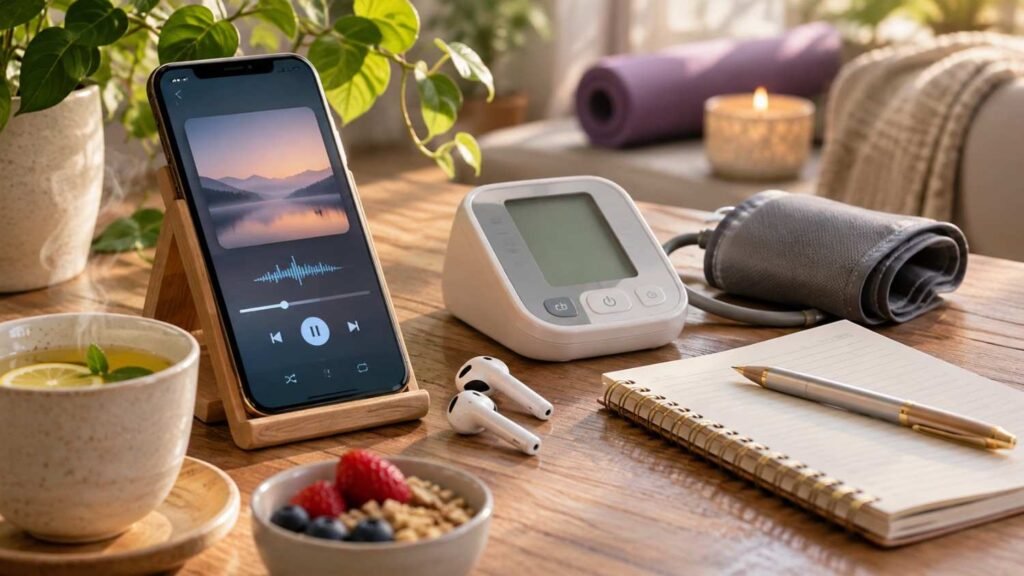
Instrumental music can reduce distractions for people who find themselves concentrating on song lyrics.
Words may engage language processing and emotional memories, making certain songs more mentally stimulating.
However, there’s no universal scientific rule that music without lyrics lowers blood pressure more effectively.
Familiar songs with comforting lyrics may work equally well for some listeners.
Do Slow, Steady Rhythms Work Better?
Music with predictable rhythms and gentle transitions may feel more relaxing than tracks featuring sudden percussion, dramatic volume changes, or abrupt tempo shifts.
I recommend experimenting with different styles instead of assuming one genre will deliver the best results.
How Long Should You Listen to Soft Music to Lower Blood Pressure?
Research has investigated music-listening sessions lasting approximately 20–30 minutes.
One randomized controlled trial examined 30-minute relaxing music sessions, five days weekly, over four weeks.
Researchers observed improvements in systolic blood pressure and heart rate among participants receiving the music intervention.
For a practical daily routine, I suggest beginning with 15–30 minutes of comfortable listening.
This duration is a reasonable starting point rather than a medically established prescription.
You can listen before bedtime, during meditation, or after work, depending on your preferences.
Can Listening to Soft Music Every Day Improve Heart Health?
Daily music listening may support relaxation and stress management, both important aspects of cardiovascular wellness.
The American Heart Association discusses how music may influence emotional well-being and cardiovascular responses.
For busy Americans balancing work, family responsibilities, and daily stress, a short listening session may provide a welcome opportunity to unwind.
However, music alone hasn’t been proven to prevent heart attacks or strokes.
Regular exercise, adequate sleep, healthy eating, and appropriate medical treatment remain essential.
How Can You Check Whether Relaxing Music Is Helping Your Blood Pressure?

You can track your blood pressure over time using a validated upper-arm home monitor.
The American Heart Association’s monitoring guidelines recommend resting quietly for at least five minutes before measuring.
Turn off music during standardized readings, avoid talking, and follow the same measurement procedure each time.
Record your results and discuss persistent changes with your healthcare professional.
Never discontinue prescribed blood pressure medication because of improvements you associate with music.
Frequently Asked Questions (FAQs)
1. Can Soft Music Help Lower Blood Pressure Immediately?
Relaxing music may temporarily reduce blood pressure by easing stress and encouraging relaxation. However, the response varies, and immediate changes don’t guarantee long-term improvements.
2. Is Classical Music Better Than Other Music for Lowering Blood Pressure?
Not necessarily. Classical, ambient, instrumental, soft jazz, and Celtic music may all encourage relaxation. Personal preference often matters more than the genre.
3. Does Listening to Music at 60 BPM Lower Blood Pressure?
Music around 60 BPM may feel calming, but research hasn’t established that this precise tempo consistently lowers blood pressure or automatically slows the heartbeat.
4. Can Music Therapy Replace High Blood Pressure Medication?
No. Music therapy may complement hypertension management, but it shouldn’t replace prescribed medications, healthy lifestyle habits, or professional medical care.
Final Thoughts
When people ask me, “can soft music help lower blood pressure,” I point to the encouraging research while emphasizing realistic expectations.
Gentle music may support relaxation, reduce stress-related arousal, and contribute to better cardiovascular wellness.
Whether you prefer classical piano, soft jazz, Celtic melodies, or ocean sounds, choosing music you genuinely enjoy makes the routine easier to maintain.
For anyone managing hypertension in the United States, I recommend combining relaxing music with regular blood pressure monitoring and evidence-based medical care.
Sometimes, a peaceful listening session is a meaningful first step toward a less stressful day.