If you have ever searched is it bad to listen to music while sleeping after waking up with your playlist still running, I get it. I have used music to fall asleep on stressful nights, noisy nights, and nights when my brain refused to shut up.
The honest answer is simple: sleeping with music is not automatically bad. It can help you relax, fall asleep faster, and block background noise. The problem starts when the music is too loud, too catchy, too lyrical, or playing directly into your ears all night.
Is Listening to Music While Sleeping Actually Bad?
Listening to music while sleeping is usually safe when you use it as a short wind-down tool. It becomes risky when it turns into nonstop stimulation.
Sleep works best when the body moves from alertness into slower breathing, lower heart rate, and deeper rest. Calm music can support that shift. Research reviews, including work available through NIH resources, suggest that music may improve subjective sleep quality for some adults with sleep problems.
That does not mean every song helps. A dramatic breakup ballad, a fast pop hook, or a familiar chorus can keep the brain engaged. I have noticed this most when I play songs I already know well. My body feels tired, but my mind starts following the melody.
That is the key difference. Sleep music should fade into the room. It should not ask for attention.
Why Sleep Music Can Help You Fall Asleep Faster
It Calms Stress Before Bed
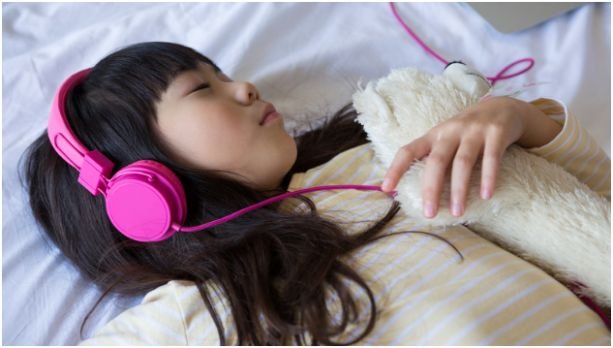
Music can act like a soft landing between a busy day and sleep. Slow, steady sound gives the nervous system something predictable to follow.
Relaxing music may also help reduce stress arousal. Some research links calming music with lower stress markers, including cortisol. Music can also support comfort and reward pathways connected with dopamine. That is one reason a gentle song can feel safe and familiar at night.
I find music most useful when I am not trying to force sleep. I play something soft, dim the screen, and stop checking the time. That small routine tells my brain the day is over.
It Masks Noise Without Fighting Your Brain
For many people, the best benefit is noise masking. Traffic, neighbors, pets, hallway noise, and sirens can interrupt sleep. A low, steady playlist can cover those sudden sounds.
This matters because unpredictable noise can wake the brain fast. A consistent sound layer feels less threatening than random spikes from outside. For apartment living, city noise, or shared homes, sleep music can make the room feel more controlled.
The trick is volume. If the music is loud enough to dominate the room, it may become another sleep problem. If it simply softens the edges of outside noise, it can help.
When Music at Night Starts Hurting Sleep
Lyrics Can Trigger the Earworm Effect
The biggest sleep mistake is choosing familiar music with lyrics. Catchy songs can create earworms, also called involuntary musical imagery. That means the song keeps replaying in your head even after it stops.
A bedtime music study found that frequent music listening can be linked with persistent earworms and poorer sleep quality. That finding matches my own experience. If I play a song I love too close to bedtime, the chorus sometimes follows me into sleep.
This is why I avoid songs with strong hooks at night. Lyrics invite the brain to participate. Instrumental music gives it less to grab.
All-Night Audio Can Keep the Brain Alert
Another problem is looping music until morning. Even when you are asleep, your brain still processes sound. That does not always wake you fully, but it can lead to lighter, more fragmented rest.
Playing music all night can also cause auditory fatigue. Your ears and brain never get a true break. For people who already wake easily, this can reduce sleep efficiency.
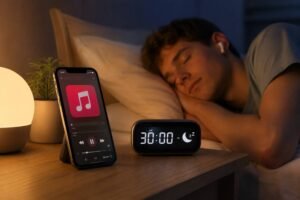
A better option is a sleep timer. I prefer 30 to 60 minutes. That gives the music enough time to help with sleep onset, then lets the room return to quiet.
Is It Safe to Sleep With Earbuds or Headphones?

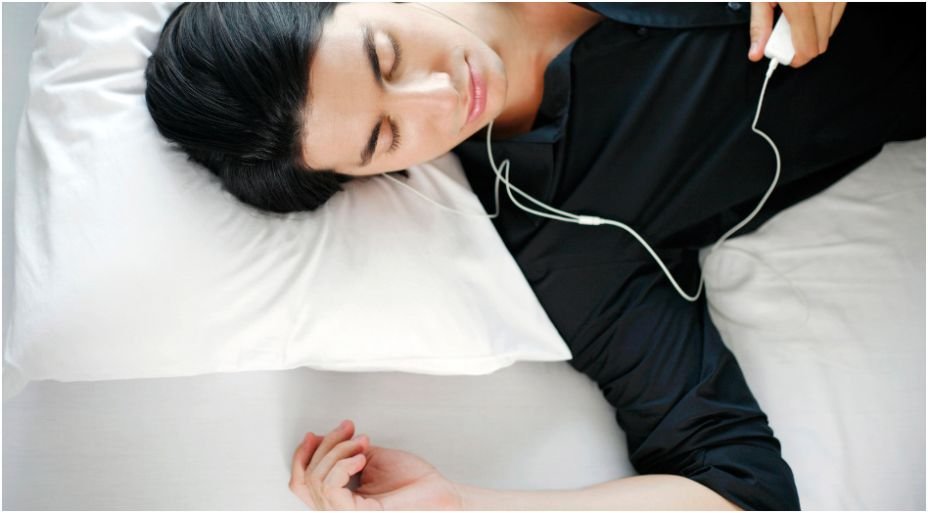
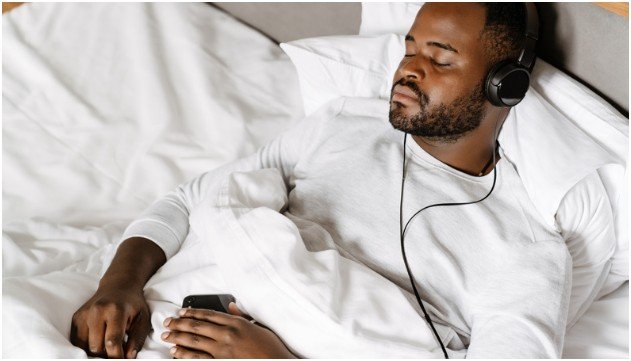
This is where I get strict. I do not recommend sleeping with regular earbuds every night.
Earbuds can trap moisture in the ear canal, especially after a shower. That warm, damp space can raise the risk of outer ear infections. They can also push wax deeper, irritate the skin, and create pressure when you sleep on your side.
Hard earbuds may also cause soreness by morning. In rare cases, long pressure on ear tissue can become more serious. Corded headphones add another small safety concern because cords can tangle while you move.
Volume matters too. The World Health Organization notes that safe listening depends on both loudness and duration. NIDCD also warns that high-volume earbuds and headphones can contribute to noise-induced hearing loss.
If you share a room, a sleep headband with flat speakers is safer than deep earbuds. A small bedside speaker is better if it works for your space.
My 30-30-30 Rule for Relaxing Music for Sleep
My favorite original rule is simple: 30 minutes, under 30% volume, no 30-second hook stuck in my head.
The first 30 means I set a sleep timer for about 30 minutes. If I am still awake after that, I do not restart the playlist. I switch to breathing or silence.
The second 30 means I keep the volume low. On most phones, that is below one-third volume. The music should feel like background air, not a performance.
The final 30 is my catchy-song test. If a chorus would replay in my head after 30 seconds, I skip it. This removes most pop, rap, musical theater, and emotional favorites from my sleep list.
This rule works because it treats music as a sleep cue, not overnight entertainment.
Best Types of Music to Sleep To
The safest choices are slow, steady, and low-drama. I look for instrumental music, soft classical pieces, ambient soundscapes, gentle piano, light acoustic guitar, or nature blends with minimal changes.
Tempo also matters. Music around 60 to 80 beats per minute often feels calming because it sits near a resting heart rate. But tempo is not everything. Timbre matters too.
A soft flute, warm piano, or mellow guitar can feel calmer than a sharp synth at the same speed. If you want to understand tone color more clearly, read about what does timbre mean in music and use that idea when building a sleep playlist.
Avoid songs with sudden beat drops, heavy bass, shouting vocals, emotional lyrics, ads, or sharp volume changes. Also avoid autoplay queues. One calm track can lead to a louder one if the app keeps choosing for you.
FAQs
1. Is it bad to listen to music while sleeping every night?
Not always, but use a timer, low volume, and non-lyrical music so your brain and ears can rest.
2. Is sleeping with earbuds dangerous?
It can raise the risk of earwax buildup, irritation, and infection, especially if earbuds stay in all night.
3. What music is best for sleep?
Instrumental, ambient, soft classical, gentle piano, or slow acoustic music usually works best.
4. Should music play all night while I sleep?
No. A 30 to 60 minute timer is safer than looping music until morning.
Final Take: Let the Playlist Work, Then Kick It Out
So, is it bad to listen to music while sleeping? Not if you use it wisely. Music can calm your body, cover noise, and make bedtime feel less stressful. It becomes a problem when it turns loud, lyrical, endless, or trapped inside your ears.
My best tip is to make music the opening act, not the whole night’s entertainment. Choose soft instrumental tracks, keep the volume low, set the timer, and let silence finish the job. Your playlist can help you fall asleep, but it does not need a full overnight residency.