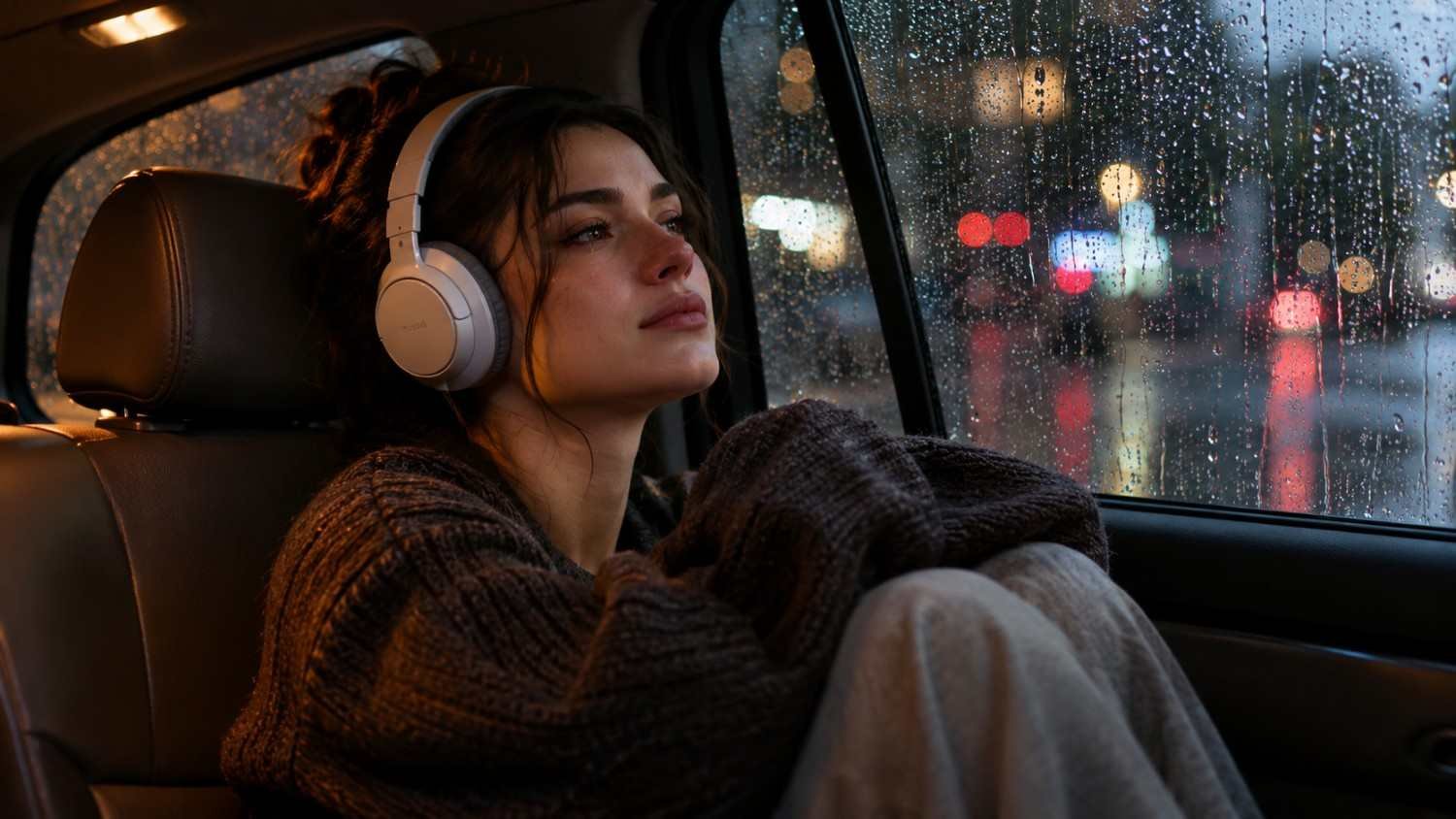
Have you ever felt completely overwhelmed, put on your saddest playlist, and somehow felt better afterward? I’ve always found it fascinating that a heartbreaking song can feel more comforting than an upbeat melody during difficult moments.
So, why do people listen to sad music when depressed? The answer involves emotional validation, psychological comfort, nostalgia, and the desire to feel understood. Sad music can reflect our emotions without demanding that we explain ourselves to anyone.
However, the psychology behind this behavior is more complicated than it seems. Let’s explore why emotional songs feel comforting and when they might actually make depression worse.
Why Does Sad Music Feel Comforting When You’re Depressed?
Sad music acts like an emotional mirror. It reflects feelings of loneliness, grief, and disappointment that people might struggle to express.
Rather than forcing happiness, these songs acknowledge difficult emotions.
A 2019 study published in Emotion examined 76 women, including 38 diagnosed with major depressive disorder. Researchers discovered that participants with depression showed a greater preference for sad music, often describing it as calming.
This suggests that listeners aren’t necessarily trying to deepen their sadness. Sometimes, they’re searching for emotional reassurance.
What Are the 7 Psychological Reasons People Listen to Sad Music?
1. Sad Music Provides Emotional Validation
One major reason sad songs feel comforting is that they make people feel understood.
When a singer describes heartbreak or loneliness, listeners may recognize their own experiences.
I think this explains why certain songs feel almost personal, even when we’ve never met the artist.
Music becomes an empathetic companion, offering emotional connection without the social pressure of explaining painful feelings.
2. Sad Songs Can Help People Feel Less Alone

Depression often creates feelings of isolation. Even surrounded by friends and family, someone might struggle to communicate what they’re experiencing.
Sad music provides a sense of shared emotional experience.
Hearing another person express similar feelings can reduce the sense of being emotionally disconnected.
Astudy examining music-evoked sadness identified consolation and emotional regulation among the positive experiences associated with sad music.
3. The Prolactin Effect May Explain Emotional Comfort
One interesting theory concerns prolactin, a hormone involved in several biological processes, including lactation.
Researchers have proposed that sad music might activate a consolation response similar to mechanisms associated with real-life sadness.
Because musical sadness doesn’t necessarily involve an immediate personal tragedy, listeners may experience difficult emotions in a psychologically safer environment.
However, this remains a hypothesis.
A study testing the prolactin theory found no significant increase in prolactin after sad music.
Another study examining prolactin and oxytocin reported more complex hormonal responses, including decreases among highly empathetic participants.
Therefore, claims that sad songs automatically release comforting hormones aren’t scientifically established.
4. Sad Music Creates a Safe Space for Emotional Release
Sometimes, emotions feel too complicated to explain.
A meaningful lyric or melancholic melody can help someone recognize feelings they’ve suppressed.
This experience relates to catharsis, the idea that expressing emotions can provide psychological relief.
For some listeners, sad songs encourage crying, self-reflection, or emotional acknowledgment.
However, crying doesn’t guarantee stress reduction or emotional healing. What matters is whether the experience ultimately feels supportive rather than overwhelming.
5. Nostalgic Music Brings Back Meaningful Memories
Why do old sad songs sometimes feel strangely comforting?
Music can activate autobiographical memories, reminding listeners of relationships, childhood experiences, and meaningful moments.
A familiar song might reconnect someone with a happier period of life or a person they miss.
I find nostalgia particularly interesting because it combines happiness and sadness within the same listening experience.
Still, nostalgic songs can also intensify grief when they repeatedly trigger painful memories.
6. Slow Melodies Can Help Listeners Feel Calmer

Not every preference for sad music comes from emotional lyrics.
Soft vocals, slower tempos, and gentle instrumental arrangements may create a peaceful listening experience.
A study on everyday music listening and depression found that a desire for calm may help explain why people experiencing depression choose sad music.
For some listeners, relaxation matters more than the song’s emotional message.
7. Sad Songs Encourage Empathy and Self-Reflection
Emotional music allows listeners to connect with experiences beyond their own.
A song about loss might inspire empathy, while lyrics about personal struggles may encourage self-reflection.
According to a systematic review of sad music, empathy, memories, and psychological processes can contribute to the enjoyment of melancholy songs.
These responses help explain why sad music appeals to people even when they’re not depressed.
Why Does Happy Music Sometimes Feel Uncomfortable During Depression?
When someone feels emotionally exhausted, cheerful music can seem disconnected from their actual mood.
This relates to mood-congruent music selection, where listeners prefer music that reflects their current emotional state.
A related music therapy technique, the iso-principle, begins with music matching someone’s mood before gradually introducing songs associated with a different emotional state.
A controlled study of the iso-principle explored how different musical sequences influence mood.
Although mismatched music can feel jarring, this reaction shouldn’t automatically be described as clinical cognitive dissonance.
Can Listening to Sad Music Make Depression Worse?
Sad music isn’t universally beneficial.
The difference often lies between healthy emotional processing and rumination, which involves repeatedly focusing on distressing thoughts.
Healthy listening may leave someone feeling calmer, understood, or emotionally relieved.
Unhealthy listening might intensify hopelessness, encourage withdrawal, or reinforce painful memories.
I believe the most useful question is simple: Do you feel better equipped to handle your emotions after listening, or more trapped in them?
If sad songs consistently worsen your mood, consider switching to calming instrumental tracks or gradually introducing more uplifting music.
Is Listening to Sad Music a Healthy Coping Mechanism?

Sad music can support emotional expression, but it cannot replace treatment for clinical depression.
The CDC explains that symptoms lasting two weeks or longer and interfering with daily activities deserve professional attention.
For US listeners experiencing emotional crisis or suicidal thoughts, the 988 Suicide & Crisis Lifeline provides support by calling or texting 988.
Frequently Asked Questions (FAQs)
1. Is Listening to Sad Music a Sign of Depression?
No. Enjoying melancholy songs doesn’t automatically indicate depression. Many people appreciate emotional storytelling, nostalgia, and expressive melodies regardless of their mental health.
2. Why Do Sad Songs Make Me Feel Better When I’m Upset?
Sad songs may provide emotional validation, relaxation, and a sense of connection. They can help listeners acknowledge difficult feelings without immediately trying to change them.
3. Can Sad Music Trigger Crying and Emotional Release?
Yes. Emotional lyrics and meaningful memories can trigger tears. Crying may feel relieving for some people, although it doesn’t always improve mood.
4. Is It Bad to Listen to Sad Music Every Day?
Not necessarily. Daily listening becomes concerning when it repeatedly worsens your mood, reinforces rumination, or interferes with everyday functioning.
Final Thoughts
Understanding why do people listen to sad music when depressed reveals how deeply music connects with human emotions.
Sad songs can provide comfort, companionship, reflection, and a safe way to acknowledge difficult feelings.
I’ve come to appreciate that music doesn’t always need to sound happy to offer something meaningful. Sometimes, hearing our sadness reflected in a melody helps us feel understood.
Just as soft music help lower blood pressure is a topic explored in relaxation research, sad music may also encourage calmness and emotional relief by reducing stress.
The key is recognizing whether those songs support emotional well-being or keep us stuck in painful thought patterns.