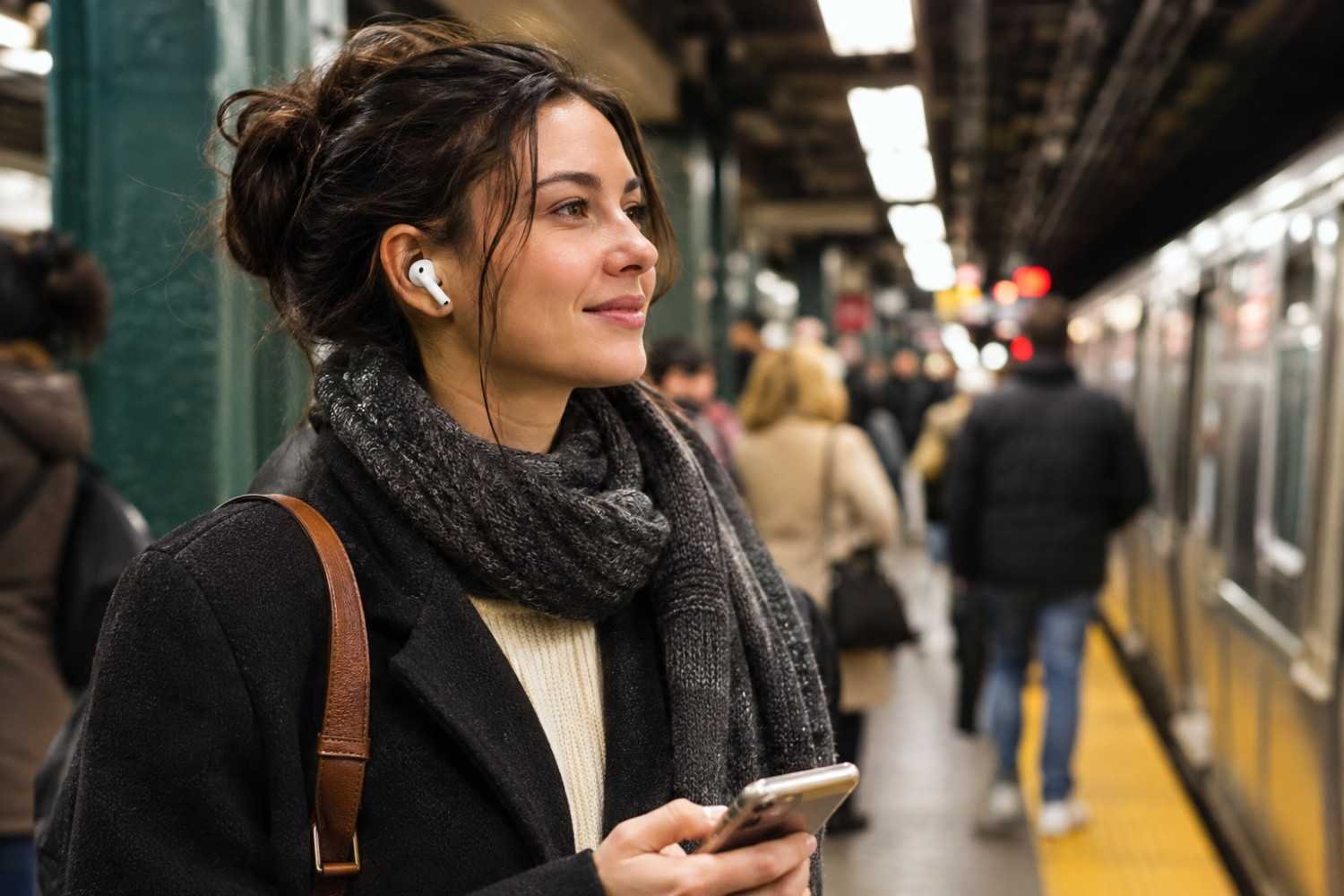
Your favorite song ends, another one starts, and before you know it, you’ve spent three hours with earbuds in your ears. I’ve experienced this countless times, especially while working or traveling. The music sounds perfectly comfortable, so it’s easy to assume my ears are doing just fine. But what if the volume I’ve grown accustomed to is slowly affecting my hearing?
That brings up an important question: how long can you safely listen to music with earbuds? There’s no single time limit that works for everyone. According to the World Health Organization, adults can listen at 80 decibels (dB) for approximately 40 hours per week under its safe-listening guidance. Increase that volume to 90 dB, and the recommended limit drops to just four hours weekly.
The surprising part is that your listening volume can matter far more than how long you keep your earbuds in. Understanding the relationship between sound levels, listening breaks, and hearing health can help you enjoy music without putting your ears at unnecessary risk.
How Many Hours a Day Can You Safely Wear Earbuds?
There isn’t a universal daily limit for wearing earbuds. Listening at a low volume for several hours is generally less risky than playing extremely loud music for a short period.
Your actual hearing risk depends on volume, listening duration, and exposure to other loud sounds.
What Are the Safe Listening Limits at Different Decibel Levels?
The WHO provides recommended weekly sound-exposure limits for adults.
| Volume Level | Recommended Maximum Exposure |
| 70 dB | Generally low-risk for prolonged listening |
| 80 dB | 40 hours per week |
| 85 dB | Approximately 12.5 hours per week |
| 90 dB | 4 hours per week |
| 95 dB | Approximately 1 hour and 15 minutes per week |
| 100 dB | Approximately 20 minutes per week |
These are approximate exposure guidelines, not guarantees against hearing damage.
For perspective, 40 hours weekly at 80 dB averages about five hours and 43 minutes daily. That doesn’t mean everyone should listen continuously for that long.
Why Does Safe Listening Time Decrease at Higher Volumes?

Sound intensity increases rapidly as decibel levels rise.
The CDC’s National Institute for Occupational Safety and Health (NIOSH) recommends an occupational noise limit of 85 dBA averaged over an eight-hour workday.
Under its 3 dB exchange rule, recommended exposure time halves with every 3 dB increase. That means approximately four hours at 88 dBA and two hours at 91 dBA.
These workplace limits differ from WHO’s recreational listening recommendations and shouldn’t be treated as interchangeable.
At maximum earbud volumes, which can approach 100–110 dB on some devices, potentially harmful exposure can accumulate within minutes.
What Is the 60/60 Rule for Earbuds?
The 60/60 rule is a simple habit designed to encourage safer headphone listening.
It recommends keeping your music at approximately 60% of maximum volume and listening for no longer than 60 consecutive minutes before taking a break.
However, 60% volume doesn’t guarantee a safe decibel level. Different smartphones, headphones, and recordings produce different sound intensities.
I prefer treating this rule as a starting point rather than an absolute safety standard.
How Long Should You Rest Your Ears After Listening?
The WHO suggests taking approximately 10 minutes of quiet time after every hour of listening. A 10–15-minute break can also help relieve physical discomfort.
However, breaks cannot reverse existing hearing damage or compensate for excessively loud listening.
Can Listening to Earbuds Too Long Cause Hearing Loss?
Yes. Repeated exposure to loud audio can permanently damage delicate sensory hair cells inside your inner ear.
These cells help convert sound vibrations into signals your brain recognizes.
According to the National Institute on Deafness and Other Communication Disorders, noise-induced hearing loss can develop gradually.
What Are the Warning Signs That Your Earbud Volume Is Too Loud?
Ringing or buzzing in your ears, known as tinnitus, may indicate excessive noise exposure. Temporary muffled hearing and difficulty understanding conversations are other warning signs.
You should also reconsider your volume if someone sitting nearby can clearly hear sound leaking from your earbuds or you regularly raise your voice while listening.
These everyday clues aren’t accurate decibel measurements, but they can encourage better listening habits.
Persistent symptoms deserve an audiologist’s attention. Sudden hearing loss requires urgent medical evaluation.
Are Noise-Canceling Earbuds Safer Than Regular Earbuds?

Noise-canceling earbuds can help protect hearing by reducing background noise and the temptation to increase music volume.
For example, someone commuting on a crowded New York subway may turn up their audio to overcome surrounding noise.
Active noise cancellation can make lower-volume listening more comfortable.
However, noise cancellation doesn’t automatically make loud music safe.
Are Over-Ear Headphones Better for Your Hearing?
Over-ear headphones may provide effective noise isolation, while properly fitted earbuds can offer similar benefits.
Neither is automatically safer. What matters most is the actual sound level reaching your ears.
How Can You Protect Your Ears While Listening to Music?
I believe safer listening should fit naturally into daily life, whether you’re studying, exercising, or commuting.
Keep Your Volume Low and Monitor Sound Exposure
Choose the lowest comfortable listening volume instead of competing with surrounding noise.
Compatible iPhones offer headphone audio monitoring and loud-sound reduction settings. Some Android smartphones provide similar volume warnings and controls.
These tools can help identify potentially excessive listening habits, although accuracy varies by device.
Clean Your Earbuds and Avoid Wearing Them All Day
Wearing earbuds continuously may trap moisture, irritate your ear canal, and contribute to conditions that increase infection risk.
This can be especially uncomfortable after sweaty gym sessions.
Clean your earbuds regularly, keep removable tips dry, and stop using them if they cause soreness or itching.
Is Sleeping With Earbuds Safe?

Sleeping with earbuds can cause pressure-related discomfort, particularly when lying on your side.
Playing music throughout the night may also increase total sound exposure.
I recommend using a sleep timer or a quiet bedside speaker instead of keeping earbuds inside your ears overnight.
Frequently Asked Questions (FAQs)
1. How Long Can You Safely Listen to Music With Earbuds at Low Volume?
At sufficiently low volumes, listening for several hours may be reasonable. However, actual safety depends on decibel exposure, personal hearing sensitivity, and other noise encountered throughout the day.
2. Can You Wear Earbuds for Eight Hours a Day?
Eight hours of wear isn’t automatically damaging if audio levels remain very low or the earbuds aren’t playing sound. However, continuous use can irritate, and loud listening increases hearing risks.
3. Is Listening to Music With Earbuds Every Day Harmful?
Daily earbud use isn’t necessarily harmful. Maintaining moderate volume, limiting excessive noise exposure, and taking comfortable breaks can help protect your hearing.
4. What Is the Safest Volume for Earbuds?
Listening at or below 70 dB offers a lower-risk approach for extended sessions. WHO guidance also provides an adult reference of 80 dB for up to 40 hours weekly.
Final Thoughts: Keep Your Music Enjoyable and Your Hearing Healthy
I’ve learned that protecting my hearing doesn’t mean abandoning earbuds. It means paying attention to volume, listening duration, and the signals my ears provide.
The 60/60 rule offers an easy starting point, but measured sound exposure gives a clearer picture of hearing risk. Many people also wonder whether loud bass music damages your hearing over time, and the answer is that excessive bass at high volumes can contribute to hearing loss just like other loud sounds.
Whether you’re commuting, exercising, studying, or relaxing, small changes today can help preserve your ability to enjoy music for years to come.