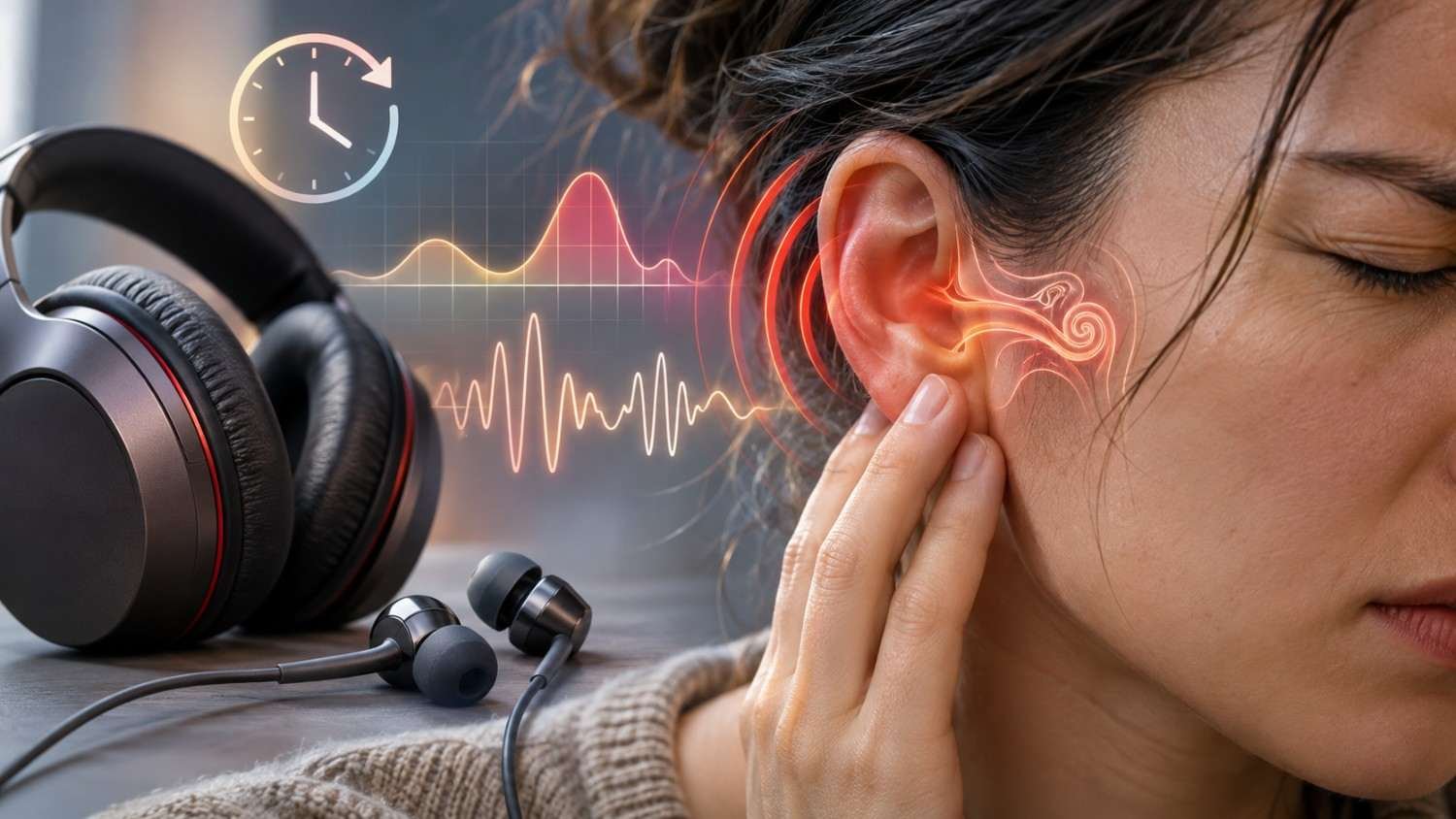
Your favorite playlist sounds amazing for the first hour, but somewhere between the next few songs, your ears start begging for silence. The music hasn’t changed, yet your headphones suddenly feel uncomfortable, and even familiar sounds seem tiring. I’ve noticed this happens more often during long work sessions or when I switch between music, podcasts, and calls without giving my ears a break.
That uncomfortable feeling raises an interesting question: why do headphones cause ear fatigue? The answer involves more than loud music. Tight earcups, poorly fitted earbuds, harsh sound frequencies, trapped moisture, and constant auditory stimulation can all contribute to ear discomfort.
Whether you wear headphones for remote meetings, gaming, daily commutes, or entertainment, understanding these hidden triggers can help you prevent listening fatigue, improve comfort, and protect your hearing over time.
What Is Headphone Ear Fatigue?
Headphone ear fatigue refers to discomfort or tiredness experienced during or after headphone use. It isn’t a specific medical diagnosis and can involve several different problems.
Physical fatigue may cause soreness around your outer ears, while auditory fatigue can involve temporary changes in hearing sensitivity following sound exposure. Mental listening fatigue develops when your brain works continuously to process speech, music, or background noise.
Recognizing these differences helps you choose the right solution instead of assuming every uncomfortable sensation indicates hearing damage.
Why Do Headphones Make Your Ears Feel Tired? 10 Common Causes
1. Can High Headphone Volume Cause Ear Fatigue?
Loud music exposes delicate sensory hair cells inside your inner ear to intense sound vibrations. Excessive exposure can temporarily affect hearing sensitivity and eventually cause permanent damage.
According to the World Health Organization, listening at 80 decibels for up to 40 hours weekly falls within its recommended exposure allowance. At 90 decibels, that allowance drops to approximately four hours weekly.
If you’re wondering how to safely listen to music with earbuds, I recommend keeping the volume at a comfortable level, checking your device’s headphone audio-level monitoring, and taking regular listening breaks rather than relying entirely on the volume slider.
2. Does Wearing Headphones for Hours Make Your Ears Tired?
Extended headphone use can create discomfort even at moderate listening volumes.
Wearing headphones throughout an eight-hour workday may increase pressure around your ears, trap heat, and contribute to mental exhaustion.
Continuous listening also gives your attention fewer opportunities to recover, especially during demanding conversations.
3. Why Do Tight Headphones Cause Ear and Jaw Pain?
Headphones need enough clamping force to remain secure, but excessive pressure can compress sensitive outer-ear structures.
Tight earcups may also aggravate discomfort around your temples or jaw, particularly when you wear eyeglasses.
If soreness disappears after removing your headphones, physical pressure may be responsible.
4. Can Poorly Fitted Earbuds Irritate Your Ear Canal?
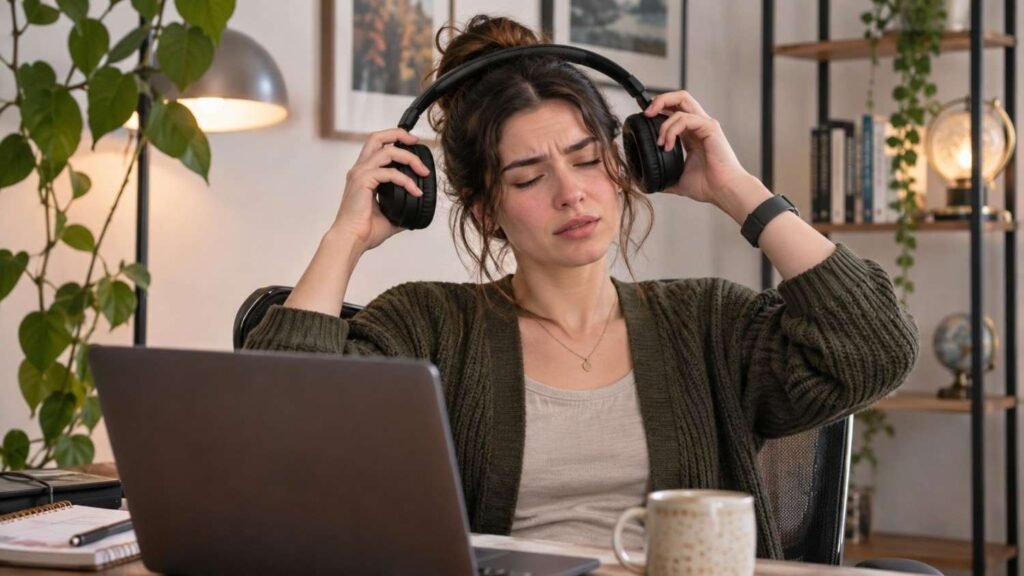
Earbuds that fit too tightly may press against the sensitive skin inside your ear canal.
Poorly sized silicone tips can cause friction, soreness, or irritation, particularly during prolonged listening.
I suggest experimenting with different ear-tip sizes and choosing a secure fit that doesn’t require force.
5. Do Harsh Treble and Heavy Bass Cause Listening Fatigue?
Sharp treble, piercing upper-midrange frequencies, distortion, and overpowering bass can make certain recordings feel uncomfortable.
Listeners have different sound preferences, so the frequencies that feel tiring aren’t identical for everyone.
Reducing aggressive equalizer settings may improve comfort. However, hearing-damage risk depends primarily on overall sound intensity and exposure duration, not bass or treble alone.
6. How Does Background Noise Increase Headphone Fatigue?
Busy offices, airplane cabins, and traffic noise can make music or speech harder to understand.
You may respond by increasing headphone volume or concentrating harder on conversations. Both behaviors can contribute to listening-related problems.
Noise isolation or active noise cancellation can make audio easier to hear at lower volumes.
7. Can Heat and Sweat Make Headphones Uncomfortable?
Over-ear headphones can trap warmth around your ears, especially during workouts or long gaming sessions.
Earbuds may also retain moisture and create friction inside the ear canal.
Regular cleaning, breathable ear cushions, and occasional breaks can reduce irritation and improve comfort.
8. What Is the Occlusion Effect in Earbuds?
The occlusion effect occurs when a sealed ear canal makes internally generated sounds seem unusually loud.
For example, your own voice, chewing, or footsteps may sound amplified when you wear tightly sealed earbuds.
This sensation can feel distracting or uncomfortable, although it doesn’t necessarily indicate hearing damage.
Trying different ear tips or a more open design may help.
9. Can Noise-Canceling Headphones Cause Ear Fatigue?
Some people experience a pressure-like sensation when using active noise-canceling headphones.
Although this sensation feels physical, ANC doesn’t normally increase air pressure inside your middle ear.
Noise cancellation can actually support safer listening by reducing the need to raise volume in noisy environments.
If it feels uncomfortable, try adjusting the cancellation strength or switching it off temporarily.
10. Can Constant Audio Stimulation Cause Mental Fatigue?

Listening requires mental processing, particularly when you’re following conversations in distracting environments.
Long podcasts, conference calls, and continuous background audio may contribute to cognitive exhaustion.
The American Academy of Audiology recognizes that sustained listening effort can increase mental fatigue, especially for people with hearing difficulties.
What Are the Warning Signs of Headphone Ear Fatigue?
Common complaints include outer-ear soreness, temple pressure, headaches, ear canal irritation, and discomfort during extended listening.
Some people also notice ringing, muffled hearing, or increased sound sensitivity after loud audio exposure.
These hearing-related symptoms deserve particular attention because they may indicate excessive noise exposure rather than ordinary physical discomfort.
How Can You Prevent Ear Fatigue From Headphones?
Does the 60/60 Rule Help Prevent Listening Fatigue?
The popular 60/60 rule suggests keeping your device below approximately 60% of maximum volume and taking a break after every 60 minutes.
It’s a useful habit reminder, but 60% volume isn’t guaranteed to be safe across every device.
The WHO also recommends resting your ears in a quiet environment for around 10 minutes after each hour of listening.
Should You Change Your Headphone Fit or Audio Settings?
Choose adjustable headbands, comfortable ear cushions, and properly sized earbud tips.
You can also reduce excessive bass or treble through your equalizer, lower playback volume, and avoid wearing headphones continuously.
Open-ear headphones may reduce ear canal pressure, although they don’t automatically guarantee safer listening.
Are Over-Ear Headphones Better Than Earbuds for Ear Fatigue?
Neither design is universally better.
Over-ear headphones can distribute pressure around the ears but may feel heavy or warm. Earbuds are convenient and lightweight but can irritate the ear canal.
Your ideal choice depends on fit, comfort, listening duration, and environmental noise.
Both designs can cause hearing problems when used at excessive volumes.
Can Headphone Ear Fatigue Cause Permanent Hearing Damage?

Physical soreness from tight headphones doesn’t automatically indicate hearing damage.
However, repeated loud sound exposure can damage inner-ear structures and contribute to noise-induced hearing loss or tinnitus.
The National Institute on Deafness and Other Communication Disorders warns that excessive headphone volume can increase hearing-loss risk.
If ringing, ear pain, or hearing changes persist, consult a healthcare professional or audiologist. Sudden hearing loss requires urgent medical evaluation.
Frequently Asked Questions (FAQs)
1. Why Do Headphones Cause Ear Fatigue Even at Low Volume?
Physical pressure, poor earbud fit, trapped moisture, and sustained listening effort can create discomfort even when audio volume remains low.
2. How Long Does Headphone Ear Fatigue Last?
Mild pressure-related soreness may improve after removing headphones. However, persistent discomfort, tinnitus, or hearing changes require professional assessment.
3. Can Noise-Canceling Headphones Reduce Ear Fatigue?
Yes. Noise cancellation may reduce background distractions and help listeners maintain lower playback volumes, although some users experience pressure-like discomfort.
4. Is Wearing Headphones for Eight Hours Safe?
Safety depends on sound intensity, fit, and listening habits. Moderate volume, comfortable headphones, and regular breaks can reduce discomfort and unnecessary sound exposure.
Final Thoughts: Keep Your Listening Comfortable
Understanding why headphones cause ear fatigue has helped me realize that comfortable listening involves much more than simply lowering the volume.
Headphone fit, sound balance, background noise, moisture, and listening duration all influence how our ears feel throughout the day.
I believe small changes, such as choosing softer ear cushions, adjusting equalizer settings, and taking regular breaks, can make a meaningful difference.
You don’t need to give up your favorite music or headphones. You simply need listening habits that prioritize comfort and long-term hearing health.