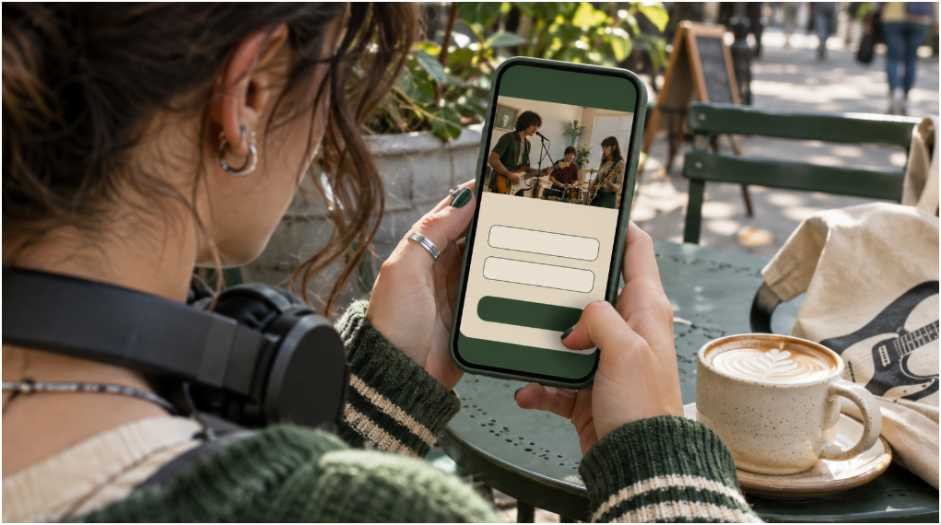
Social media algorithms buried my tour announcements three years ago, leaving half a room empty in Chicago despite 40,000 followers. Shifting my budget toward email marketing funnel strategies for selling concert tickets changed everything, turning passive listeners into paying ticket holders on autopilot. Instead of praying for organic reach, an automated funnel guides fans from initial tour hype to urgent checkout.
Why Social Media Algorithms Fail Live Tour Promoters
Relying solely on Instagram Reels or TikTok to fill a venue is a gamble you will eventually lose. Social platforms throttle outbound links because they want users to stay inside their apps rather than visit a ticketing checkout page.
Email gives you direct, unfiltered access to your audience. According to Mailchimp email marketing benchmarks, music and entertainment emails consistently outperform standard retail averages when targeted properly. When you own the inbox relationship, you control when fans see your tour dates, ticket tiers, and last-minute venue upgrades.
Stage 1: Top-of-Funnel Lead Capture and Welcome Sequences
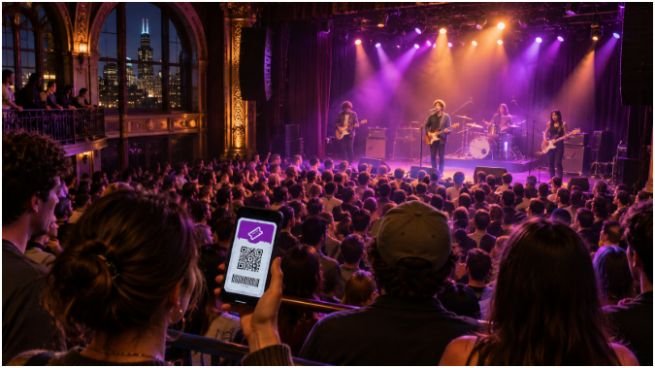
Your ticket sales begin weeks before the public on-sale date. At this stage, your single goal is converting casual social followers and streaming listeners into email subscribers.
Pre-Sale Registration Gates With City Data
Never launch a tour cold to an unsegmented list. I set up a dedicated landing page ten days before ticket drop, offering early access and a chance to win side-stage passes. Fans submit only two fields: their email address and their city or postal code. Capturing location data upfront prevents you from spamming fans in London about a club show in Austin.
Instant Automated Welcome Flows and Sender Identity
Open rates peak during the first ten minutes after a fan signs up. I trigger an immediate automated email featuring a 30-second rehearsal clip, a curated tour warm-up playlist, and the exact timestamp when pre-sale codes arrive.
Always send these messages from the artist or promoter name rather than a cold “noreply” address. Fans open emails from people they recognize, not automated corporate bots.
Stage 2: Middle-of-Funnel Launch and Fan Nurture Tactics
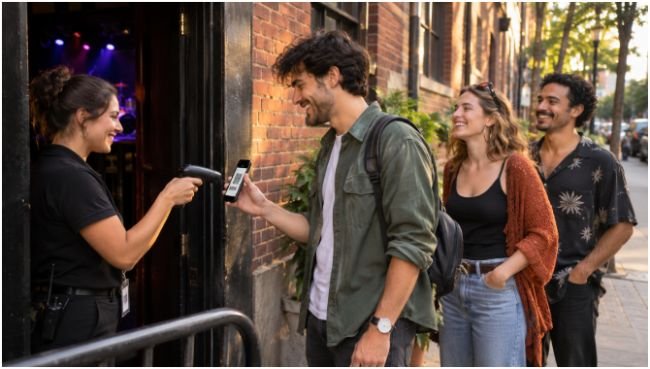
Once your pre-sale list is warm, move subscribers from passive curiosity to active ticket purchases without flooding their inboxes every morning.
Exclusive 48-Hour VIP Pre-Sale Windows
Reward subscribers who joined your early access list with a private link and password 24 to 48 hours before general admission opens. In my experience, this single window routinely moves 35% to 45% of total venue capacity. Early buyers also spend more per order, making this the ideal moment to introduce merch bundles or building a profitable music merchandise pre-order add-ons at checkout.
General On-Sale Announcements and Social Proof
When general tickets go live, keep your broadcast ruthlessly simple. Display the city, venue name, date, and a single high-contrast call-to-action button above the fold.
Two weeks after the initial launch, sales naturally plateau. I target non-buyers during this slump with social proof emails containing vertical crowd videos, past setlist highlights, and local press quotes. Seeing other fans lose their minds at a previous show removes hesitation faster than another generic “tickets on sale now” graphic.
Stage 3: Bottom-of-Funnel Scarcity and Ticket Checkout Recovery
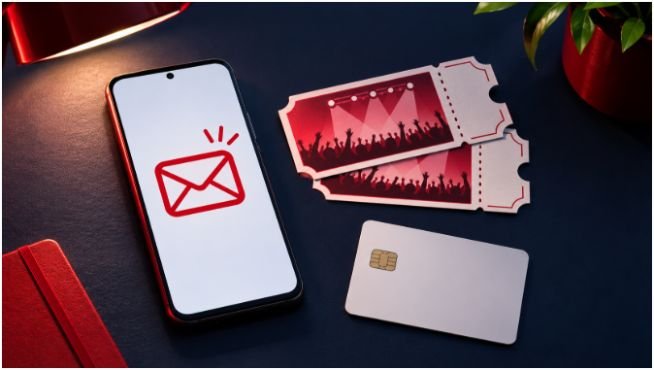
As show night approaches, shift your tone from excitement to urgency and friction removal. Most procrastinating concertgoers buy within the final 72 hours, provided you remind them what they risk missing.
Tiered Pricing Alerts and Abandoned Cart Flows
Tiered ticketing rewards early adopters and creates natural deadlines. Whenever Tier 1 early-bird passes drop below 20 remaining tickets, I send a targeted alert warning subscribers that prices jump by $10 at midnight.
Equally profitable is abandoned cart recovery. Modern platforms highlighted in Ticket Tailor event promotion resources allow you to trigger automated reminders when fans select tickets but close the browser tab. Sending a plain-text nudge 90 minutes after abandonment recovers roughly 12% of lost checkouts in my campaigns.
Low-Inventory Countdowns Under 15 Percent Capacity
Once remaining capacity dips below 15%, switch to a strict countdown sequence at 72 hours, 24 hours, and the morning of doors. State the exact number of tickets left in the subject line. Specific numbers like “19 tickets left for Friday” outperform vague claims of “limited availability” every single time.
Stage 4: Post-Purchase Retention and Tour Referrals
Your email marketing funnel strategies for selling concert tickets do not stop once a payment clears. Post-purchase emails turn single ticket buyers into group organizers and repeat tour attendees.
Immediately after checkout, send a confirmation follow-up with a custom referral link or a “bring three friends, get one free” group code. Twenty-four hours before doors open, deliver a Know-Before-You-Go logistics email covering set times, parking garages, and venue bag policies.
Within 24 hours after the encore, send a thank-you note packed with high-resolution show photos, a two-question feedback survey, and an early-bird link for your next regional date. As noted in the Eventbrite music event marketing guide, capitalizing on post-show euphoria drives the highest repeat attendance rates in live music.
Segmentation Rules From My 450-Cap Club Tour Case Study
During a recent six-city club run, I split-tested a standard unsegmented blast against a segmented funnel across 8,200 subscribers. Data from HubSpot email segmentation statistics shows segmented campaigns drive dramatically higher revenue, and my tour numbers proved it.
| Segmentation Tactic | Implementation Rule | Campaign Result |
| Buyer Suppression | Excluded existing ticket holders from all countdown and urgency emails | Reduced unsubscribe rates by 64% |
| Geo-Radius Filtering | Targeted subscribers within a 60-mile radius of each venue | Lifted click-through rates from 1.9% to 6.4% |
| Past-Spend VIP Upsells | Sent meet-and-greet upgrades only to prior multi-ticket buyers | Sold out 30 VIP packages in 4 hours |
Applying this disciplined audience filtering helped us sell out five of the six rooms while spending zero dollars on paid social retargeting. If you already track ad efficiency to calculate ROI on Spotify playlist pitching campaigns, applying that same attribution mindset to your email segments will transform your live touring margins.
Frequently Asked Questions About Concert Email Funnels
1. How early should I start an email funnel before a concert?
Launch your pre-sale lead capture page at least 7 to 14 days before tickets go on sale to build peak demand.
2. What is the best time to send concert ticket emails?
Tuesday through Thursday mornings between 10:00 AM and 12:00 PM local time consistently generate the highest ticket checkout conversions.
3. How many emails should a concert launch sequence include?
A complete sequence requires six to eight targeted emails spanning pre-sale signup, launch, social proof, cart recovery, and final countdowns.
4. Should I email fans who already bought tickets during a countdown?
Never include confirmed buyers in urgency blasts; suppress them from sales promos and move them into your logistics sequence instead.
Stop Leaving Empty Seats on the Table
Empty rooms rarely happen because people dislike your music; they happen because fans forgot to buy before Friday night arrived. Audit your email service provider today, build a simple city-tagged pre-sale form, and automate your first abandoned cart reminder before announcing your next gig. Your future sold-out crowd is already sitting in your database waiting for the right nudge.