Whenever a familiar song comes on during a movie’s closing credits, I wonder who got the call to approve it and who got the check. So, how do musicians make money from songs used in movies and tv shows? A production typically pays a negotiated fee to use the song. If it wants a specific recording, it needs permission for that recording too. Songwriters and publishers may also earn performance royalties from qualifying broadcasts or streams.
The same placement can pay the person who wrote the song, the company that owns the recording, or an independent artist who controls both. Here’s how the money moves.
A Song Placement Can Pay for Two Different Rights
The sync license covers the song
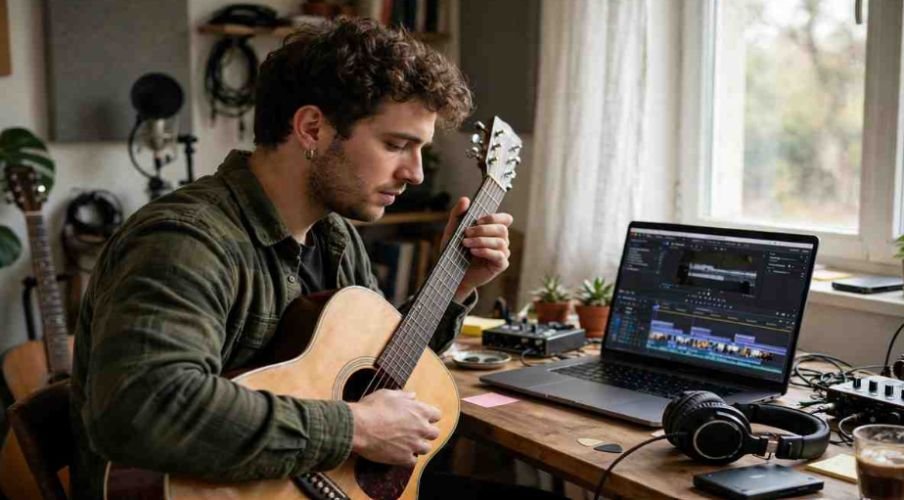
A synchronization license, usually called a sync license, gives a production permission to pair a musical composition with moving images. The composition is the underlying song, including its melody and lyrics. The producer negotiates with whoever controls the relevant rights, which could be the songwriter, a publisher, or multiple rights holders if the song has co-writers.
Songwriters can continue earning from their compositions even when another artist performs the song. The royalties may come from public performances, streaming, physical releases, or other licensed uses. Learn how songwriters earn royalties when someone sings their song and how those payments differ from the fees collected by recording owners.
The master use license covers the recording
If the production wants the exact version fans know, it also needs a master use license. That permission comes from whoever controls the recording, often a label or an independent artist. The two fees can be negotiated separately or bundled into a single payment when the same party controls both rights.
A scene built around a hit recording shows why this matters. The publisher can approve the underlying song, while the label can approve that particular recording. A filmmaker who commissions a new cover still needs permission to sync the composition, but can arrange rights to the new recording without licensing the original master.
How Much Can a Movie or TV Placement Pay?
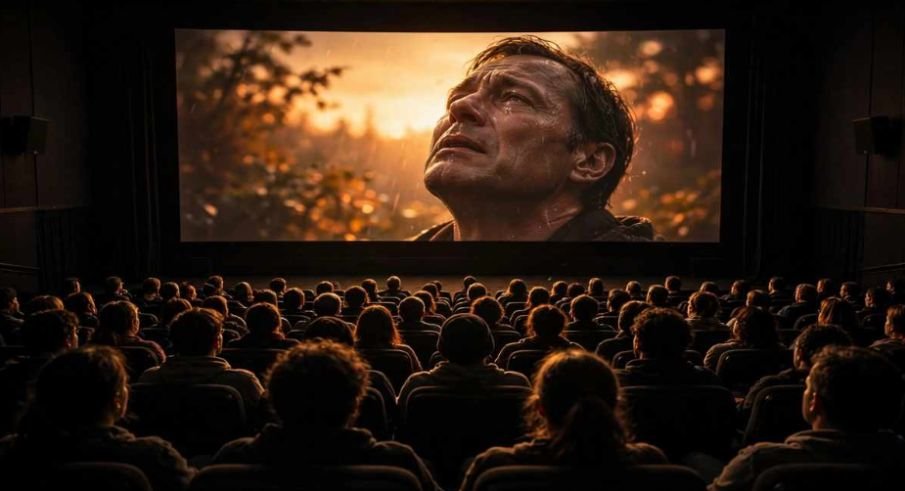
There’s no standard rate. A brief instrumental cue under dialogue may command a different fee from a song that carries the final scene. The production’s budget, how much of the track plays, and how prominently the song appears all matter. So do the terms. A deal for one season on one service can carry a different price from a deal that includes worldwide distribution and promotional trailers.
Another way to answer how do musicians make money from songs used in movies and tv shows? is to follow a sample payment. Suppose a drama licenses a song for $4,000, with $2,000 for the composition and $2,000 for the master.
An independent artist who owns the entire master and controls half the composition would receive $3,000 before any applicable commissions or deductions. The other composition rights holder would receive $1,000. That equal split between the two licenses is an illustration, and the amounts are hypothetical.
Who Gets Paid if the Singer Didn’t Write the Song?
A singer can share in master licensing income if they own part of the recording or their recording contract gives them a share. If a label owns the master, it generally collects the master fee and pays the artist according to their agreement. A singer who also co-wrote the track may earn on the composition side as well.
Session musicians can have a separate route to payment. If the original recording was made under a qualifying union agreement, licensing it for film or television may trigger new-use payments under that agreement. The terms of the recording session and the new use determine whether those payments apply.
Do Reruns, Streaming, and Movie Theaters Pay Royalties?

A qualifying network or cable airing can generate performance royalties for songwriters and publishers. A rerun can generate another royalty, with the amount depending on factors such as the broadcaster, the length of the cue, and whether it was a theme, a featured song, or background music. Streaming royalties depend on the service’s licensing and reporting arrangements.
When a movie or TV placement introduces a song to new listeners, some may continue listening through music streaming services. For households that regularly stream music together, understanding when a music streaming family plan is worth the price can help them choose a subscription that suits their listening habits.
Domestic movie theater screenings generally don’t generate the same composition performance royalties as television airings. The production can still pay an upfront licensing fee for the theatrical use. If the film later airs on licensed television, the music may earn performance royalties then. Screenings abroad can also generate royalties in markets where local societies collect for cinema performances.
How cue sheets help track the money
A cue sheet is the production’s record of the music it used. It identifies the track, its writers and publishers, the episode or film, how the music appeared, and how long it played. Performing rights organizations such as ASCAP and BMI use that information to match qualifying uses to the people entitled to payment. After an episode airs, writers can check whether the cue sheet lists their song and whether the credits match their work registration.
Frequently Asked Questions
1. In simple terms, how do musicians make money from songs used in movies and tv shows?
A production pays to license the underlying song and, when it uses an existing recording, the master. Musicians receive a share based on the rights they control or their contracts. Qualifying broadcasts or streams can also generate performance royalties for songwriters and publishers.
2. Does a ten-second clip earn less than a full song?
It can. Duration is one factor, but a short clip used as the centerpiece of a scene can be more valuable to a producer than a longer track playing quietly under dialogue. The fee is negotiated for the specific use.
3. Does a soundtrack release create another payment?
It can. The placement deal covers the agreed use in the production. If the song also appears on a separately released soundtrack, sales or audio streams can generate income under the applicable rights and agreements.
The Takeaway
When I hear a familiar song in a show now, I listen for how it’s used. A chorus that lands at the turning point of a scene might have been worth more to the production than a longer clip playing in the background.
To understand who got paid, I start with two questions: who controls the song, and who owns the recording? Then I look at where the production played and whether that use can earn royalties later.
For independent musicians, licensing income can be unpredictable, so building recurring revenue from a dedicated audience can provide another source of financial support. This explains how fan subscriptions help independent musicians earn steady income through ongoing contributions from listeners who want to support their work.