
A musician can record a song in a bedroom, release it worldwide, and earn royalties without signing a record deal. The technology makes that possible, but uploading a track is only part of the process.
So, how does digital music distribution work for artists, and what happens between finishing a recording and receiving streaming revenue?
Digital distribution connects musicians with platforms such as Spotify, Apple Music, Amazon Music, YouTube Music, and TikTok through specialized distribution companies. These services handle delivery, organize release information, and collect certain royalties.
Understanding the process helps independent musicians avoid expensive mistakes, protect their ownership, and build sustainable music careers.
Why Digital Music Distribution Matters More Than Ever
Streaming has transformed how recorded music reaches audiences.
According to the International Federation of the Phonographic Industry’s Global Music Report 2026, worldwide recorded music revenue reached $31.7 billion in 2025, growing 6.4% from the previous year. Paid subscription streaming represented 52.4% of total revenue. These figures demonstrate why digital availability matters for independent artists.
Unlike traditional physical distribution, musicians no longer need manufacturing agreements or retail partnerships to reach international listeners.
However, distribution does not automatically guarantee streams, playlist placements, or income. Artists still need marketing, audience engagement, and careful financial management.
What Actually Happens After an Artist Uploads Music?
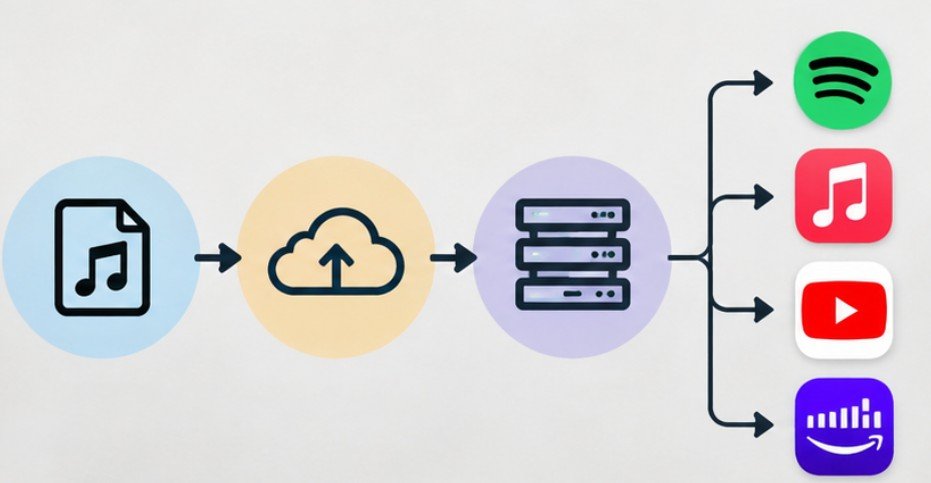
Digital music distributors operate between recording owners and digital service providers.
Most major streaming platforms require artists to work through approved distributors rather than uploading recordings directly.
The process typically follows five stages.
1. Prepare the Recording and Release Information
Artists begin by preparing their mastered audio, cover artwork, and metadata.
Metadata contains essential information, including song titles, artist names, featured performers, songwriter credits, genre, and release dates.
When preparing recordings, musicians may also need to separate vocals from instrumental tracks for remixes, editing, or alternate versions. Understanding how AI separates vocals from instrumental tracks can help artists explore audio processing techniques before finalizing their recordings.
The Music Business Association’s metadata standards resources emphasizes standardized music information because consistent data supports accurate catalog management and digital delivery.
Incorrect credits or inconsistent artist names can create identification problems across streaming platforms.
2. Choose a Distribution Company
Independent musicians commonly consider distributors such as DistroKid, TuneCore, CD Baby, and Amuse.
These companies offer different pricing arrangements, service packages, and royalty policies.
Artists should compare more than subscription prices. Customer support, royalty reporting, withdrawal policies, and catalog retention can significantly affect long-term earnings.
3. Select Streaming Platforms
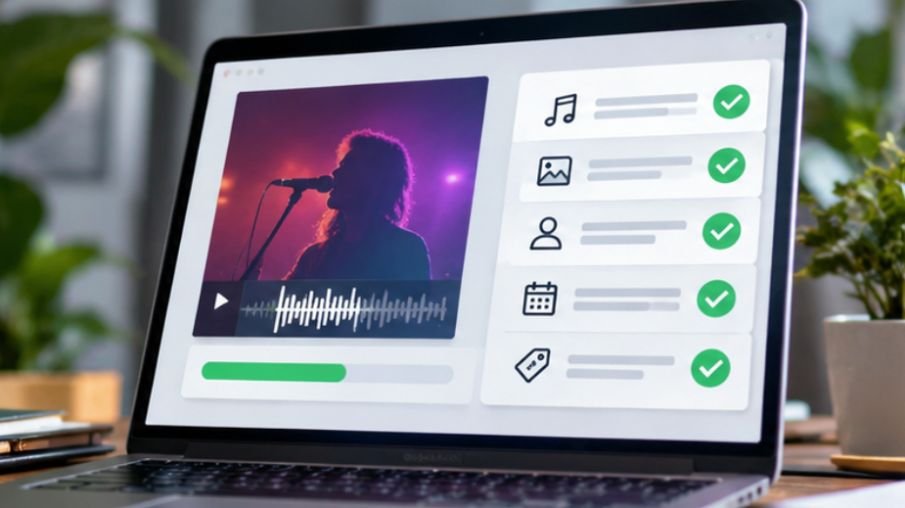
After uploading the release, musicians choose the platforms and territories where their songs should appear.
Common destinations include Spotify, Apple Music, Amazon Music, YouTube Music, Deezer, and eligible social media music libraries.
Distribution coverage varies by provider, and access to specialized services may require additional eligibility checks.
Music can also be presented through interactive visual experiences that respond to the audio itself. Understanding how music visualizer apps respond to sound offers insight into how sound frequencies, beats, and audio signals can be translated into dynamic on-screen effects.
4. Complete Technical Review and Delivery
The distributor checks the submitted materials for technical requirements, metadata accuracy, and potential rights problems.
Approved recordings are delivered to participating platforms, which complete their own processing.
Although some releases appear quickly, musicians should avoid assuming every service will publish simultaneously.
5. Monitor the Release and Collect Revenue
Once music becomes available, listeners can discover, stream, purchase, or share it.
Understanding how listeners discover music is also important for independent artists. Music recognition technology helps people identify unfamiliar tracks they hear in videos, public spaces, or social media content, potentially making discovery easier. How music recognition apps identify songs can also help explain how listeners connect with music they haven’t heard before.
Platforms report eligible activity to distributors, which calculate earnings according to their agreements.
Artists can then review statements and withdraw available revenue once applicable payment conditions are satisfied.
How Much Does Digital Music Distribution Cost?
Distribution services generally use three pricing approaches.
Annual Subscription Plans
Artists pay a recurring fee for access to distribution services, sometimes covering unlimited releases. This model can benefit musicians who release singles frequently.
However, some providers require continued payment or an additional retention option to keep recordings available.
One-Time Release Payments
Other distributors charge separately for individual singles, EPs, or albums. This approach may suit artists who release music occasionally.
Artists should check whether future updates, additional stores, or royalty administration involve extra charges.
Commission-Based Distribution
Some services offer distribution without an upfront charge while keeping a percentage of eligible earnings.
Consider a hypothetical recording generating $500 in distributor-reported royalties.
If the distributor retains a 15% commission, its share would be $75, leaving $425 before other applicable deductions.
The best arrangement depends on expected revenue, release frequency, and contractual conditions.
Where Do Streaming Royalties Actually Go?
One common misunderstanding is that distributors collect every royalty generated by a song. In reality, music involves separate copyrights and payment systems.
The U.S. Copyright Office’s guidance for musicians explains that musical compositions and sound recordings are distinct protected works.
A distributor generally collects payments associated with the master recording from participating streaming and download services. Other potential income requires separate administration.
Performance and Mechanical Royalties
Songwriters may earn public performance royalties through organizations such as ASCAP, BMI, SESAC, or GMR, depending on their affiliations.
Eligible U.S. digital mechanical royalties can be collected through The Mechanical Licensing Collective or an authorized publishing administrator.
The Copyright Alliance’s music royalties explanation outlines these different licensing and payment categories.
Copyright Alliance
SoundExchange separately administers certain digital performance royalties for sound recordings used by noninteractive services.
Therefore, artists who write and record their own songs may need several registrations to collect their eligible earnings.
How Can Independent Artists Release Music Successfully?
A reliable release strategy starts before the upload.
Build a Release-Ready Checklist
Before submitting music, confirm these essentials:
- Export mastered audio in the distributor’s accepted lossless format, commonly WAV.
- Prepare original, properly licensed cover artwork.
- Verify artist names, songwriter credits, and ownership splits.
- Confirm that samples, beats, and cover recordings have appropriate permissions.
- Select a release date several weeks ahead.
- Review distribution costs, territories, and withdrawal requirements.
- Save copies of release identifiers and submitted metadata.
Each recording generally receives an International Standard Recording Code (ISRC).
According to the U.S. ISRC Agency’s identification guidance, this permanent identifier remains associated with a particular recording even when ownership or distribution arrangements change. A UPC or similar product identifier identifies the release rather than an individual recording.
Prepare Your Artist Profiles
Once eligible, musicians should claim their Spotify for Artists and Apple Music for Artists profiles. These dashboards provide audience insights and profile management tools.
Spotify recommends pitching unreleased music for editorial consideration at least seven days before release, although earlier preparation provides additional flexibility. Editorial pitching never guarantees playlist placement.
Common Distribution Problems Artists Should Avoid
Distribution mistakes can continue affecting a recording long after its release.
One frequent issue involves uploading the same recording through multiple distributors simultaneously. Overlapping delivery can create duplicate listings or competing ownership claims.
Another problem is changing distributors without preserving existing identifiers. Maintaining the original ISRC for an unchanged recording helps services recognize it consistently.
Artists should also avoid assuming that a published track has automatically been registered for publishing royalties.
Finally, musicians must understand their contracts. Some distribution agreements include additional rights-management services, exclusivity provisions, or restrictions affecting catalog transfers.
Reviewing these conditions before paying is considerably easier than resolving disputes afterward.
Frequently Asked Questions
1. How does digital music distribution work for artists without record labels?
Independent artists upload finished recordings through distribution companies that deliver music to streaming platforms and collect eligible recording royalties. Artists generally retain ownership unless their agreements specify otherwise.
2. Can artists distribute music for free?
Yes. Some distributors offer no-upfront-cost plans in exchange for commissions or other conditions. Compare royalty deductions, platform access, and catalog retention policies before choosing.
3. How long does it take to receive streaming royalties?
Payments commonly arrive several months after streams occur. Reporting schedules, distributor processing, withdrawal thresholds, and payment methods can affect the exact timing.
4. Does digital music distribution include promotion?
Basic distribution usually covers delivery rather than marketing. Some providers offer promotional tools, playlist pitching assistance, or advertising services for additional fees.
The Real Value of Digital Distribution
Digital distribution has removed major barriers between independent musicians and international audiences. Still, access to streaming services is not the same as building a successful music career.
I believe the smartest artists treat distribution as one part of a larger business strategy involving ownership, publishing registration, consistent releases, and audience development.
Before choosing a provider, evaluate what happens to your recordings, royalties, and identifying information if you eventually change services.
A song deserves more than a successful upload. It needs accurate credits, clear ownership, reliable payment systems, and a long-term plan that turns listeners into lasting supporters.