
Three years ago, I landed my first major cable television placement—a $6,000 total payout—simply because I could sign a contract within two hours while a major-label track got stuck in legal clearance. If you want to understand how sync licensing deals work for independent artists and producers, that single afternoon explains the entire business model. Sync licensing grants visual media creators legal permission to pair your music with moving images in exchange for an upfront fee and ongoing backend royalties.
Unlike major-label artists whose rights are fractured across executives, lawyers, and publishing houses, independent creators hold a massive structural advantage. When you write, produce, and release your own music, you control the exact assets television networks, film studios, and game developers need on tight production schedules.
The Two Halves of Every Sync Agreement
Every piece of recorded music contains two distinct copyrights under federal law, and you can verify how those dual protections operate through the U.S. Copyright Office. Before a showrunner can legally drop your song into an episode, their legal team must clear both sides separately.
Master Use License vs. Synchronization License
The master use license grants permission to use your specific audio recording. This fee goes directly to whoever owns the sound recording—usually you, your co-producer, or your independent label. Even if you use music distribution platforms for keeping 100 percent royalties on Spotify and Apple Music, you retain full master control unless you signed an exclusive label contract.
The synchronization license grants permission to use the underlying musical composition, which covers the melody, chord progression, and lyrics. This fee goes to the songwriters and music publishers. Because you are an independent creator wearing multiple hats, you often sit on both sides of the negotiating table.
Why “One-Stop” Ownership Wins Deals
Controlling 100% of both the master recording and the publishing rights makes you a “one-stop” shop. Music supervisors work under brutal deadlines, often locking picture just hours before a network broadcast. When they find a song they love, they need a signature immediately.
If I co-wrote a track with two friends and used a third-party beatmaker, clearing that song requires four separate contracts. If one person is unreachable on vacation, the supervisor drops the track and moves on. When I pitch a one-stop track, I sign one piece of paper, send one invoice, and secure the placement before the competition even reads their email.
Navigating Most Favored Nation (MFN) Clauses
Whenever rights are split between different owners, music supervisors insert a Most Favored Nation (MFN) clause into the contract. An MFN clause legally guarantees that both the master side and the publishing side receive identical upfront fees and equal terms.
If a supervisor offers $2,500 for the master rights, they must also pay $2,500 for the publishing rights. This prevents one rights holder from being underpaid relative to the other and keeps negotiations transparent when you collaborate with outside writers.
How You Actually Get Paid: A Worked Deal Breakdown
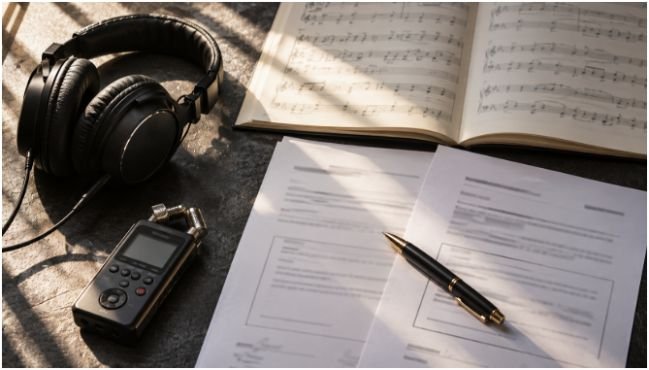
Sync income arrives in two waves: immediate cash upon signing and residual payments months later when the project airs. To illustrate how this works in practice, compare how my $6,000 cable TV placement broke down under two different ownership scenarios.
| Revenue Component | Scenario A: 100% One-Stop (Direct Pitch) | Scenario B: 50/50 Co-Write (Via Sync Agency) |
| Gross Upfront Sync Fee | 6,000(3,000 Master / $3,000 Sync) | 6,000(3,000 Master / $3,000 Sync) |
| Agency Commission (40%) | $0 | -$2,400 |
| Co-Writer Share (50%) | $0 | -$1,800 (Post-agency split) |
| Net Upfront Payout to You | $6,000 | $1,800 |
| Backend PRO Royalty Share | 100% Writer + 100% Publisher | 50% Writer + 50% Publisher |
Upfront Sync Fees and Usage Variables
Your upfront sync fee is a one-time lump sum negotiated before the project releases. Supervisors calculate this number using four core variables:
- Media Type: A student film might pay $250, an indie network drama pays $2,000 to $8,000, and a national Super Bowl commercial can exceed $100,000.
- Usage Context: Background music playing quietly in a diner scene pays far less than a featured vocal montage or main title theme.
- Term and Territory: A license covering North America for two years costs less than a worldwide license in perpetuity.
- Exclusivity: If a brand demands that you do not license the track to any competitor for a year, you charge a significant premium.
Backend Performance Royalties and Cue Sheets
Once your track airs on broadcast television or streams on platforms like Netflix, you earn backend performance royalties. Performing Rights Organizations (PROs) like ASCAP and BMI collect blanket license fees from networks and distribute those funds directly to songwriters and publishers. Simultaneously, organizations like SoundExchange track and pay out digital performance royalties tied to the master recording.
To ensure you get paid, the production company submits a cue sheet to the PROs after locking the final edit. This document logs the exact track title, songwriter names, PRO affiliations, and precise timestamp duration (for example, 00:14:22 to 00:15:08). Always request a copy of the cue sheet so you can verify your metadata matches your PRO registration, just as you would when making sure independent musicians collect mechanical royalties from global streaming services.
Three Proven Routes to Landing Placements
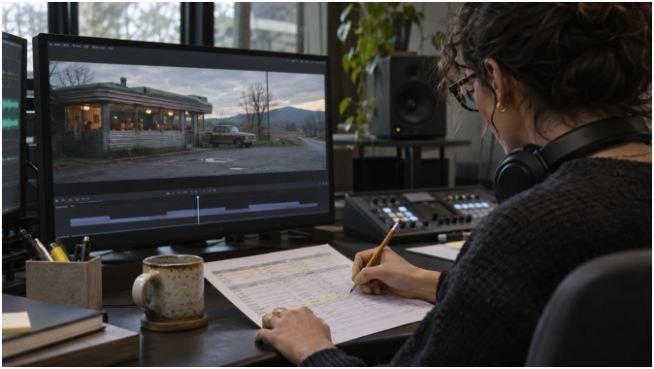
You do not need to live in Los Angeles or know famous directors to get your music into film and television. Most independent producers build steady sync income by combining two primary distribution channels.
Sync Agencies and Non-Exclusive Music Libraries
If you have a catalog of finished tracks sitting idle, partnering with a reputable sync agent or music library is the fastest way to get heard. These companies maintain direct relationships with active supervisors and pitch your music against daily briefs. In exchange, they typically take a 35% to 50% cut of the upfront sync fee, and some libraries also claim a share of the publishing backend.
I recommend starting with non-exclusive sync libraries. Non-exclusive agreements allow you to keep full ownership of your tracks and pitch those exact same songs to other libraries or supervisors simultaneously. Avoid exclusive deals unless the library offers a substantial upfront buyout or has a documented track record of landing high-budget commercial placements.
Direct Pitching to Music Supervisors
Pitching directly to music supervisors lets you keep 100% of your upfront fees, but cold-emailing random contacts with MP3 attachments will get your address blocked immediately. Instead, research shows whose musical tone matches your sound, find the supervisor listed in the end credits, and build genuine connections over time.
When you do reach out, send a brief, three-sentence email containing a single private streaming link (such as DISCO or Box) rather than downloadable files. Mention immediately in the subject line that your catalog is 100% one-stop and cleared, because that single phrase tells a busy supervisor you will make their job easier.
Preparing Sync-Ready Assets Before You Pitch

Landing a placement opportunity means nothing if you fail the technical delivery check. Whenever I finish a new song, I immediately export and archive a dedicated sync folder before moving on to the next project:
- Full Mix and Instrumental: Supervisors routinely cut dialogue over the verses and bring vocals back in during the chorus, making an exact-length instrumental mandatory.
- Acapella and TV Track: A “TV track” removes the lead vocal while keeping background harmonies, giving editors maximum flexibility.
- Clean Stems: Export separated WAV files (drums, bass, synths, guitars, vocals) at 24-bit/48kHz—the standard sample rate for video production.
- Signed Split Sheets: Keep a signed PDF confirming ownership percentages for every contributor on file so you can prove legal clearance in seconds.
- Sample-Free Verification: Never pitch tracks containing uncleared Splice loops with restrictive terms, unauthorized vocal samples, or unverified AI-generated elements, as studios reject them outright to avoid copyright lawsuits.
Embed your contact email, phone number, PRO affiliation, and “One-Stop” status directly into the ID3 metadata tags of every file. Supervisors frequently download tracks into massive internal hard drives and pull them up six months later; if your contact information is missing from the file metadata, they will license someone else’s song.
Frequently Asked Questions About Sync Licensing
1. Do I lose ownership of my song when I sign a sync license?
No, sync licensing grants temporary permission to use your music in a specific visual project while you retain 100% of your underlying copyrights.
2. How much money can independent artists make from sync licensing?
Payouts range from $250 for indie films to $15,000 or more for major network placements, plus ongoing backend royalties whenever the show airs.
3. Can I license a cover song for TV or film?
You can pitch a cover only if you control the master recording, though the supervisor must still license the composition directly from the original song’s publisher.
4. Do I need a music publisher to get sync deals?
No, independent songwriters can act as their own publisher, sign contracts directly, and collect both the writer and publisher shares through their PRO.
Stop Leaving Your Catalog on the Hard Drive
You already own the most valuable currency in modern visual media: fast, clean, one-stop music. Pick your five strongest tracks today, bounce out the 24-bit/48kHz instrumentals and stems, embed your contact details into the file metadata, and send your first targeted pitch this week.