Two years ago, hitting 100,000 streams on a single felt like a victory until my payout landed at barely $350. That wake-up call forced me to test direct to fan music monetization strategies beyond streaming so I could stop relying on fraction-of-a-penny royalties.
Streaming works well as a discovery tool, yet a single dedicated supporter buying a vinyl record or joining a fan club generates more profit than thousands of passive plays. By shifting my focus from algorithm-chasing to owning my listener relationships, I tripled my quarterly music income without needing viral hit numbers.
Why Chasing Streaming Numbers Kept Me Broke
When you release music solely on major streaming apps, you are essentially renting an audience from a tech company. One sudden algorithm tweak can cut your monthly reach in half overnight, leaving you with zero contact details for the people who saved your songs.
Before you even think about direct sales, make sure you pick the right music distribution platforms for keeping 100 percent royalties on your baseline catalog. Once your distribution foundation is clean, treat streaming purely as the top of your marketing funnel rather than your primary paycheck.
The Superfan Revenue Math That Changed My Career
I stopped obsessing over vanity metrics once I compared my streaming payouts against my direct store numbers from the same release cycle:
- 100,000 Spotify Streams: Paid roughly $350 before distributor splits.
- 100 Superfans Buying a $15 Digital Deluxe Bundle: Generated $1,500 in one weekend.
- 50 Superfans Paying $10/Month on a Fan Club: Added $500 in predictable monthly recurring revenue.
Converting just 0.1% of my listeners into direct buyers outperformed months of playlist pitching.
6 Proven Direct to Fan Music Monetization Strategies Beyond Streaming

After testing over a dozen income streams across four independent releases, six core models consistently deliver the highest profit margins.
1. High-Margin Digital Products and Stems
Selling lossless WAV or FLAC downloads, instrumental stems, remix packs, and “pay-what-you-want” deluxe EPs carries zero shipping costs and unlimited inventory. On platforms like Bandcamp, you keep 80% to 90% of every sale, and fans willingly pay $10 to $20 for bonus acoustic demos they cannot find on Spotify.
2. Recurring Fan Clubs and Paid Memberships
One-off sales pay the bills this month, but subscriptions pay the bills every month. I gate early demo recordings, raw studio vlogs, and a private Discord channel behind $5 and $15 monthly tiers. Giving superfans direct access to my creative process keeps churn remarkably low.
3. Limited-Run Physical Media and Print-on-Demand Merch
Listeners still crave tangible items they can hold, especially limited-run cassettes, numbered vinyl pressings, and handwritten lyric zines. Instead of gambling thousands of dollars on boxes of unsold t-shirts, use print-on-demand partners or crowdfunding pre-orders to eliminate upfront inventory risk while creating real scarcity.
4. Intimate Ticketed Experiences and Listening Parties
You do not need a booking agent to profit from live music. Hosting living-room house concerts, selling VIP soundcheck upgrades, or charging $15 for a private online listening party with a live Q&A creates unforgettable moments. In my experience, 80 fans on a ticketed livestream will happily outspend 500 casual bar-goers.
5. Low-Friction Tipping and Crowdfunding Campaigns
Not every supporter wants a monthly subscription, so make spontaneous generosity effortless. Enabling one-off tips during livestreams captures impulse support, while running a 30-day pre-order campaign lets fans finance your next vinyl pressing or studio session before you spend a dime.
6. Custom Creative Services and Production Education
Your studio skills hold immediate commercial value outside your artist brand. I supplement my release income by selling custom beat leases, offering remote vocal tracking and mixing, and hosting paid songwriting workshops. You can also explore how sync licensing deals work for independent artists by registering your clean master and publishing rights under the U.S. Copyright Office music modernization framework so supervisors can clear your tracks quickly.
Comparing the Best Direct-to-Fan Platforms for Artists
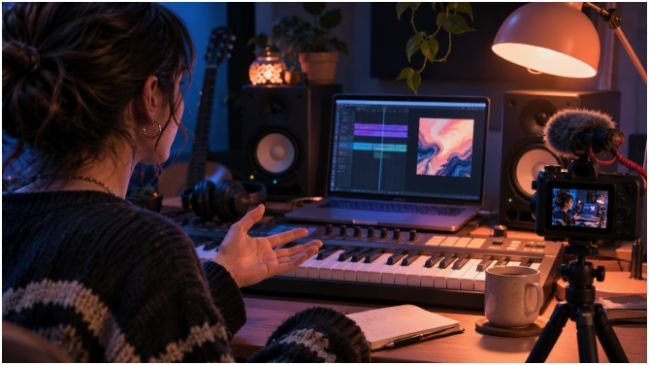
No single tool does everything well, so I pair an owned digital storefront with a dedicated community hub. Following the SoundCloud direct-to-fan monetization guide helps match each fan stage to the right checkout flow.
| Platform | Best Use Case | Core Monetization Features | Typical Fees |
| Bandcamp | Digital and physical music store | Pay-what-you-want downloads, vinyl, merch, and waived-fee Bandcamp Fridays | 15% digital (drops to 10% after $5k), 10% physical plus processing |
| EVEN | Exclusive early-access album drops | Pre-streaming releases, global currency support, daily payouts | ~20% all-in revenue share covering splits and licensing |
| Patreon | Tiered monthly fan memberships | Gated audio/video feeds, Discord integration, exclusive merch perks | ~10% of income plus payment processing |
| Ko-fi | Lightweight tipping and digital shops | One-off tips without buyer accounts, simple memberships, digital downloads | 0% on tips; 0% to 5% on shop and memberships |
| Shopify | Full-scale custom merch brands | Complete customer data ownership, physical bundles, Spotify store sync | Monthly subscription ($29+) plus card processing |
| Substack | Paid newsletters and audio dispatches | Direct email inbox delivery, paid subscriber tiers, private podcast feeds | 10% on paid subscriptions plus processing |
If you want to launch fast without upfront overhead, review the official Bandcamp Artist Guide alongside Substack creator monetization tools to build a zero-cost storefront and email list in one afternoon.
My 3-Step Funnel for Turning Passive Listeners Into Buyers
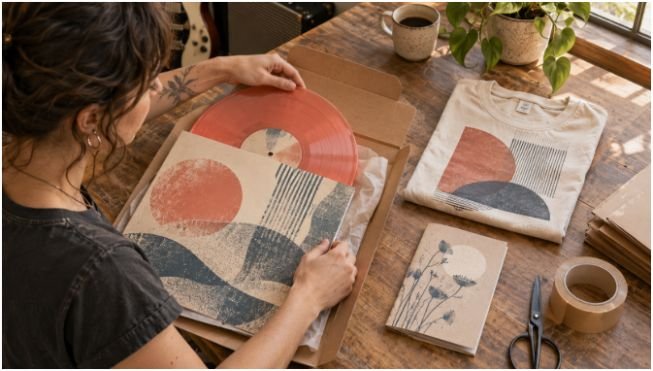
Having a store means nothing if nobody visits it. Every release I put out follows a strict three-part conversion sequence.
Capture Owned Data Before Anything Else
Social media links should never send fans straight to a streaming app where you lose them forever. I route all my bio links to a simple landing page using Laylo that trades an unreleased demo or merch discount code for an email address and SMS opt-in.
Window Every Release by 14 Days
Whenever I finish a new EP, I drop it exclusively on Bandcamp and EVEN two full weeks before it hits Spotify or Apple Music. My core supporters gladly pay $12 to hear the record early, while casual listeners still discover it on streaming platforms two weeks later.
Package the Backstory, Not Just the Audio
People rarely pay $30 for an MP3 file, but they eagerly pay $30 for a story they feel part of. Sharing voice memos from the writing session, scans of crossed-out lyric sheets, and the personal meaning behind a chorus transforms passive listeners into lifelong patrons.
Frequently Asked Questions
1. What are the best direct to fan music monetization strategies beyond streaming?
Selling lossless digital bundles, running paid monthly fan clubs, dropping limited-run vinyl, and hosting ticketed listening parties generate the highest profit margins.
2. How many fans do I need to make a living without streaming?
Following the classic 1,000 true fans model, just 500 to 1,000 supporters spending $100 per year on merch, tickets, and memberships creates a full-time living.
3. Should I remove my music from Spotify to sell direct to fans?
No, keep your catalog on streaming platforms for free discovery while selling exclusive early access, bonus tracks, and physical editions directly.
4. Which platform takes the lowest fees for independent musicians?
Ko-fi charges 0% platform fees on fan tips, while Bandcamp drops its digital revenue share to 10% once your sales pass $5,000.
Stop Renting Your Audience and Start Getting Paid
Streaming numbers look great on a screenshot, yet they rarely pay your rent or fund your next studio session. Pick one direct-to-fan channel this week—set up a free Bandcamp page, launch an email capture link, or announce a 14-day early-access drop for your next single—and give your biggest supporters a real way to invest in your art.