You are sitting at your favorite local pub with friends, waiting for a trivia night to start, when a familiar bassline suddenly fills the room. Instead of scrambling to remember obscure historical facts, everyone around you immediately begins bobbing their heads and scanning a grid filled with artist names and track titles.
That is the magic of musical bingo, an incredible social phenomenon that transforms traditional number-calling into a lively, melodic celebration. If you are searching for a fresh way to bring people together, understanding exactly what is music bingo will open the door to a whole new world of entertainment.
Key Takeaways
- Music bingo replaces boring numbers with catchy song snippets on your game cards.
- The game traces its roots back to a popular 1958 television show hosted by Johnny Gilbert.
- It bridges generations seamlessly by blending basic luck with nostalgic audio recognition.
- Hosts rely on diverse Spotify or Apple Music custom playlists to power different rounds.
- Anyone can play without deep trivia knowledge, making it an incredibly inclusive party option.
The Historic Evolution of Melodic Matching
This beautiful blend of audio recognition and classic gaming is far more than a modern bar trend. The entire concept actually dates back to May 29, 1958, when a brilliant television game show titled Music Bingo debuted on national networks like ABC and CBS. Legendary broadcaster Johnny Gilbert, who later became famous as the iconic voice of Jeopardy!, served as the host for this early black-and-white sensation.
Contestants on the show listened to live musical clips, raced to a massive board, and placed sharp or flat symbols across columns spelling out “M-U-S-I-C” to secure five in a row.
While the television series concluded after a few successful years, the underlying psychology of the game remained incredibly powerful. Human brains are naturally wired to respond emotionally to familiar hooks, choruses, and rhythms. In the early decades of the twenty-first century, entertainment companies and nightlife DJs resurrected the format, swapping out old-school game boards for sleek, customized paper grids.
Learning Music Bingo Beats Boring Trivia Nights
Why settle for stale history quizzes when you can turn your next gathering into a full-blown concert? Learning what is music bingo completely saves your weekends from boring entertainment routines. It injects pure sonic energy into any room by trading stiff competition for mass singalongs, dance-offs, and shared nostalgia.
It is the ultimate social cheat code because it requires zero academic stress, meaning your tone-deaf buddies and music-obsessed aunt can finally party on a totally level playing field.
How the Game Works internally
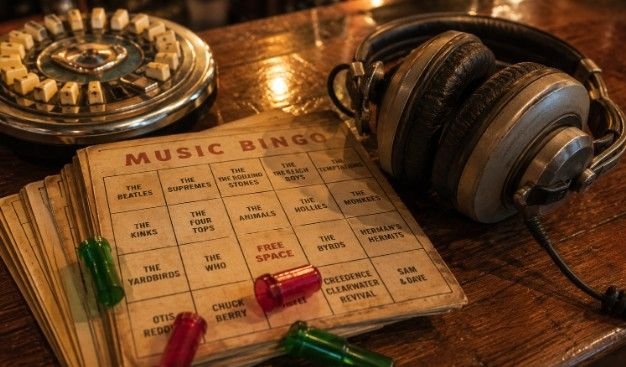
Transitioning from traditional numerical coordinates to a rhythm-based format is surprisingly smooth and straightforward. Instead of an announcer shouting out repetitive combinations like “B-12” or “G-53,” a lively host utilizes a professional audio system to play thirty to sixty seconds of popular tunes.
Players receive unique grids featuring twenty-four distinct songs or artists arranged symmetrically around a classic center free space. Your only responsibility is to listen closely, identify the sonic track echoing through the room, and mark your card if you spot a match.
Custom Game Grids
The foundation of the game relies entirely on customized cards that display artistic content rather than mathematical integers. Each individual sheet features a randomized selection of track titles or performing groups that match the overall musical vibe of the evening.
The Auditory Master of Ceremonies
A dynamic host or disc jockey runs the entire show by controlling the master playlist and cueing up recognizable snippets. They keep the crowd engaged between tracks, drop humorous commentary, and maintain strict control over the speed of the game.
Scoring a Sonic Victory
Players track the music in real time and mark off matching squares on their layout as the playlist advances. The very first person to successfully complete the predetermined geometric pattern shouts the winning phrase to claim their reward.
Popular Variations and Dynamic Playlists
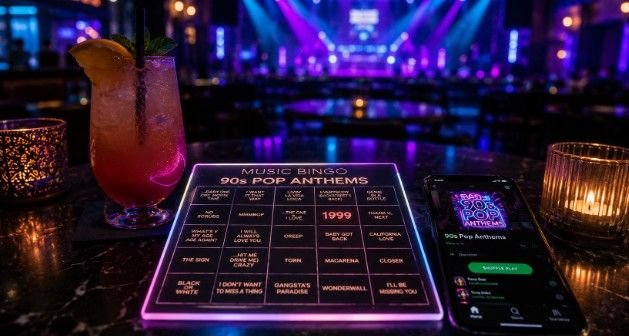
Organizers love using specific musical categories to keep the competitive rounds feeling incredibly fresh and unpredictable all night long. Dividing an evening into distinct stylistic segments ensures that different groups of players get their moment to shine.
One highly effective approach involves centering an entire round on beloved historic decades, such as the synthesis of eighties pop or nineties hip-hop anthems. This setup allows players to enjoy a nostalgic trip down memory lane while testing how quickly they can identify the specific sounds of their youth.
Another excellent alternative relies on specific genres or specialized concepts, like country staples, heavy classic rock, legendary movie themes, or famous one-hit wonders. This stylistic variety keeps the energy high and prevents the gameplay from ever feeling repetitive or stale for the audience.
Golden Oldies and Decade Hits
Structuring games around specific time periods creates an immediate nostalgic connection for everyone sitting in the room. Players love traveling back in time through the timeless radio anthems of the seventies, eighties, and nineties.
Hollywood Themes and Cinema Soundtracks
Using iconic scores from famous blockbuster movies or catchy television themes adds a brilliant cinematic layer to the competition. Players must connect the auditory cinematic hooks with the legendary films that made them famous worldwide.
Ultimate Guide Music Bingo Curation and Real Life Tips
Hosting a successful evening of auditory entertainment requires a strong understanding of game pacing and proper library curation. To help you structure an unforgettable event from scratch, follow this cohesive, step-by-step framework to keep the atmosphere buzzing.
First, establish an engaging theme like 1980s hair metal or 1990s pop royalty to build crowd anticipation. Mixing timeless radio hits with hidden gems ensures everyone feels confident while keeping the competition exciting.
Next, compile a master audio library of seventy-five to one hundred tracks to prevent duplicate winning cards. Use digital tools to synchronize your Spotify or Apple Music playlists with grid generators to print randomized layouts. Ensure your cards explicitly state whether players are hunting for the song title, artist, or both.
Finally, keep song snippets limited to forty-five seconds to maintain rapid momentum. As the host, keep energy levels high by using a microphone to prompt crowd-wide singalongs during major choruses. Once someone calls out a victory, pause playback, cross-reference their marked squares with your track log, and award a fun prize to celebrate.
Why People Play and Love This Craze

This format acts as an incredible natural icebreaker for corporate functions, wedding rehearsals, or casual neighborhood block parties. Because the barrier to entry is so low, complete strangers instantly find themselves high-fiving, laughing, and singing choruses together at the exact same table.
Furthermore, it offers a fantastic platform for local businesses and bars to boost their foot traffic on slower weeknights. The highly social, auditory environment transforms a standard venue into a theatrical space where customers naturally stay longer, order more food, and return week after week. Even dogs like music.
Frequently Asked Questions
1. How long does a game of music bingo take?
A single standard round typically lasts between fifteen and twenty-five minutes. Most organizers run two or three consecutive rounds with different themes, bringing the total event duration to roughly one or two hours of interactive play.
2. What do you need for music bingo?
You need randomized game cards featuring song titles, writing utensils, a reliable speaker sound system, a curated device playlist, and an energetic host to guide the tracks and verify winners at the venue.
3. How many songs do I need for music bingo?
You should gather at least forty-five to seventy-five songs per round. Having a larger audio library prevents duplicate winning patterns and ensures that your generated cards remain completely randomized, fair, and fun for all players.
4. Is music bingo fun for everyone?
Yes, it is an exceptionally inclusive game because it relies on recognition and luck rather than strict academic knowledge. People of all ages can easily participate together, sing along, and win prizes without feeling left out.
Hit the High Notes with Melodic Bingo
Bringing a room to life becomes effortless when you introduce the magic of what is music bingo into the mix. This brilliant fusion of history, pop culture, and social interaction effortlessly transforms quiet gatherings into legendary singing celebrations.
Grab your favorite playlists, print out a few customized cards, and host an unforgettable night of melodic matching that your friends will talk about for years to come.