When I hear the same chorus in five videos before breakfast, I find myself asking who gets paid when a song goes viral on tiktok? The artist who owns the recording and the people who own shares of the songwriting rights can earn money when TikTok uses the music under a license. The creator who starts the trend can earn separately through an eligible video monetization program or a paid promotion deal.
I find it easiest to follow the money by asking three questions. Who owns the recording? Who wrote the song? And who made the video people keep sharing? The answers can point to three different people, even when one artist’s name is all you see on the sound page.
How TikTok Music Royalties Reach Artists and Songwriters

The recording can pay the artist or label
The master recording is the specific version you hear in the video. If an independent singer owns that recording and delivers it to TikTok through a music distributor, the distributor can collect the recording revenue and pass along the singer’s share under its terms.
If a label controls the master, the label generally receives the recording-side revenue and accounts to the artist under their contract. Any advance or costs the label can recoup may affect when the artist actually sees a payment.
The composition can pay songwriters and publishers
The composition is the underlying music and lyrics. It can generate publishing income even when the songwriter never sings a note on the recording.
That income can reach writers through a publisher, publishing administrator, or collecting society, depending on the agreement and territory. A singer who co-wrote the song may earn on both sides. A songwriter who shares ownership with two other writers receives the portion due under their splits and agreements.
What that looks like in practice
Imagine a singer named Maya owns the recording of a song she co-wrote with Leo. A dancer posts a video that turns the chorus into a trend. Maya can collect recording revenue through her distributor and may also earn her share of publishing income. Leo can earn his songwriting share even though he never performed on the track. The dancer’s earnings depend on whether the video qualifies for a creator program or whether someone paid for the post.
Does the Creator Who Starts the Trend Get Paid?
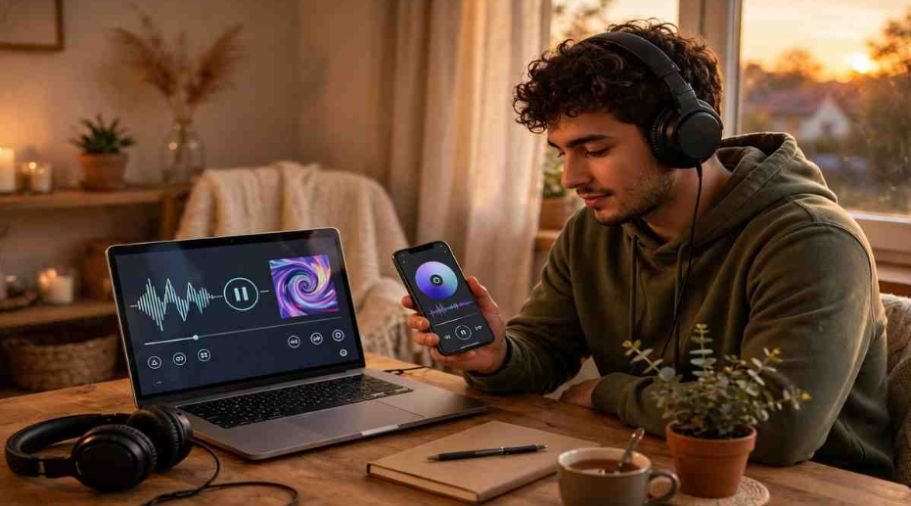
The question: who gets paid when a song goes viral on tiktok? can also mean “Does the person who made the viral video get a cut?” For the creator, payment depends on how the video is monetized. TikTok’s Creator Rewards Program uses qualified video views and has eligibility requirements that vary by market and account. A short dance clip can take off and still fall outside the program’s requirements.
A paid music campaign works differently. An artist, label, or agency might agree to pay a creator a flat fee for a post or tie compensation to tracked performance. The campaign agreement sets the payment terms. If a creator picks a song on their own and starts a trend, there’s no automatic claim to the song’s royalties.
Do TikTok Music Royalties Depend on Views or Video Creations?
Check how the distributor that delivered the track reports TikTok earnings. SoundOn describes allocating royalties from a pool based on the share of views on videos using the music. Ditto also describes a view-based approach and says views are weighted by country. RouteNote and CD Baby describe creation-based earnings for the music they distribute, where the number of videos made with the track matters.
That distinction changes how you read a viral number. One video with a million views and 1,000 separate videos using the same sound measure different things. Which activity affects the artist’s statement depends on the distributor’s arrangement and whether the use was attributed to the track. A view count alone gives you too little information to calculate the artist’s payout.
What If an Original Sound or Sped-Up Version Goes Viral?
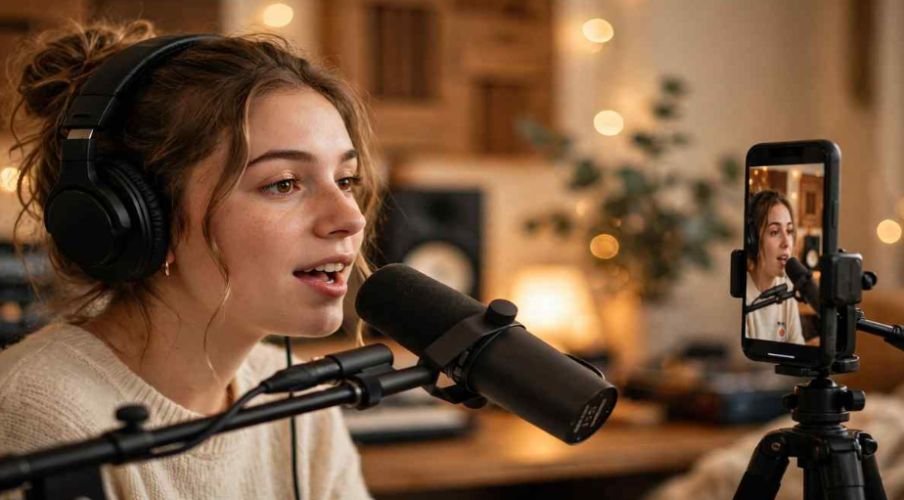
When a creator picks the official track from TikTok’s music library, the video can be linked to that track. TikTok can also use audio fingerprinting to identify music uploaded as an original sound. If someone changes the speed or pitch, the upload may be harder to match.
If your song starts spreading through an alternate upload, save the sound and video links and send them to your distributor. Ask whether the sound was matched to your release and how that usage appears in your reporting.
Can a Viral TikTok Song Make Money Outside the App?
A catchy clip can send listeners to Spotify, Apple Music, or another service to hear the full song. Eligible streams there can generate separate recording and publishing royalties.
The payment process behind those streams involves separate recording and songwriting rights, with royalties reaching artists through labels, distributors, publishers, or collection organizations. This breakdown explains how artists get paid when you stream their songs and why the singer’s actual earnings can differ from the total streaming revenue.
That’s why it’s worth checking both the distributor’s TikTok report and full-track streaming activity after a trend takes off. The biggest change may show up in what people play after they close the app.
Beyond streaming royalties and viral exposure, independent musicians can build more predictable revenue by developing direct relationships with their audiences. Explore how fan subscriptions help independent musicians earn steady income through recurring support from dedicated listeners.
Frequently Asked Questions
1. Who gets paid when a song goes viral on tiktok?
Recording and publishing rights holders can earn through music licensing. A video creator may earn separately through an eligible rewards program or a paid campaign. Each person’s payment depends on their role and agreements.
2. How much does a song make from 1 million TikTok views?
There’s no universal payout for a million views. Distributor reporting, where the views came from, and whether the music was correctly identified can all affect earnings. Some distributors report earnings based on video creations.
3. Can independent artists collect TikTok royalties without a label?
Yes. An independent artist who controls the recording can deliver it through a distributor that supports TikTok. If the artist also wrote the song, they should check who administers the publishing rights and collects the songwriting income.
What I’d Check After a Song Takes Off
I’d start with the sound page, then check the distributor statement and look for an increase in full-song streams. That tells me where the attention went and which earnings to look for.
For independent musicians, the attention generated by a viral song can also create opportunities to invest in promotional content and reach a wider audience. Understanding how independent artists budget for a music video can help them plan production expenses without relying entirely on streaming revenue.
If the singer, songwriter, and video creator are different people, I’d expect each to have a different route to payment. The viral clip is the part everyone sees. The rights, reporting, and agreements determine who gets a share.