Artificial intelligence is no longer just another studio shortcut. It has moved into the center of American music, where songs, voices, fan loyalty, copyright, and artist identity now collide. When I look at AI artists and music culture, I see one of the biggest creative debates the US music industry has faced since streaming changed everything.
AI-generated music can now sound polished, emotional, and radio-ready within minutes. That excites some creators because it lowers the cost of making songs. It worries others because it can copy styles, clone voices, flood platforms, and make human artists feel replaceable.
The question is no longer whether AI belongs in music. The bigger question is whether music culture can stay human when machines can imitate the sound of emotion.
What Are AI Artists in Music?
AI artists are music projects created or powered partly by artificial intelligence. Some are virtual acts with synthetic voices, AI-generated images, and fictional backstories. Others are hybrid creators where a real person writes lyrics, poems, or concepts while AI tools generate the vocals, instruments, or production.
This is different from a musician simply using software. A producer using Auto-Tune, a digital audio workstation, or a drum machine still controls the creative identity. With generative AI music, platforms like Suno and Udio can create full songs from text prompts. That changes the role of the artist, because someone can move from “performing music” to “directing music.”
For US listeners, this matters because American music has always been tied to personality. Country depends on storytelling. Hip-hop depends on voice, place, and credibility. R&B depends on emotional delivery. Rock and folk often depend on attitude, memory, and lived experience. AI challenges all of that by asking whether a song needs a human story behind it to feel real.
Why AI-Generated Music Is Suddenly Charting
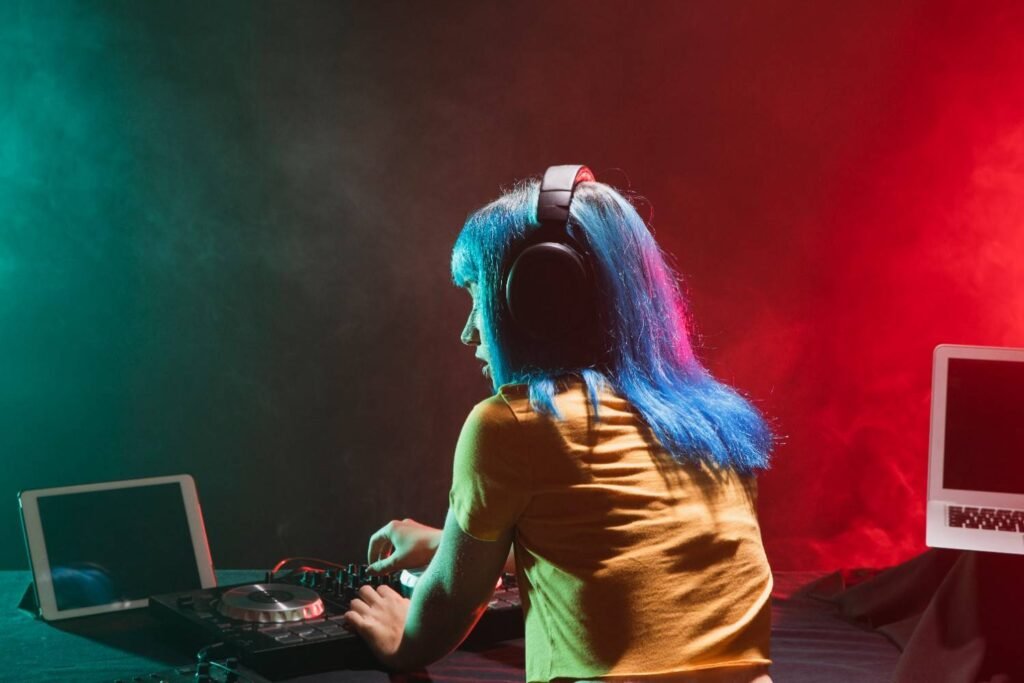
AI music is no longer hidden in experimental corners of the internet. Breaking Rust’s “Walk My Walk” reached No. 1 on Billboard’s Country Digital Song Sales chart, even though it was not the No. 1 country song overall. That detail matters because the story is still culturally important, but it should not be overstated.
The track showed that an AI country persona could gain attention in a genre where authenticity usually matters deeply.
The Velvet Sundown created another major moment. The project gained massive attention on Spotify before wider discussion revealed its AI-generated identity, including its music, imagery, and backstory.
That controversy showed how easily listeners can stream an act before knowing whether a real band exists behind it.
Xania Monet adds another layer to the conversation. The project is connected to human creator Telisha Jones, whose poetry and lyrics shaped the artist, while Suno helped generate the vocals and sound.
Reports of a multimillion-dollar record deal made the music business pay closer attention because this was not just a viral stunt. It suggested that labels may see commercial value in AI-powered performers.
How AI Tools Are Changing Music Creation Culture
The biggest shift is not only that AI can create songs. It is that AI changes who gets to sound professional. In the past, a finished track required musical skill, studio access, engineering knowledge, or money. Now a non-musician can type a prompt and receive a complete composition with vocals, drums, melody, and arrangement.
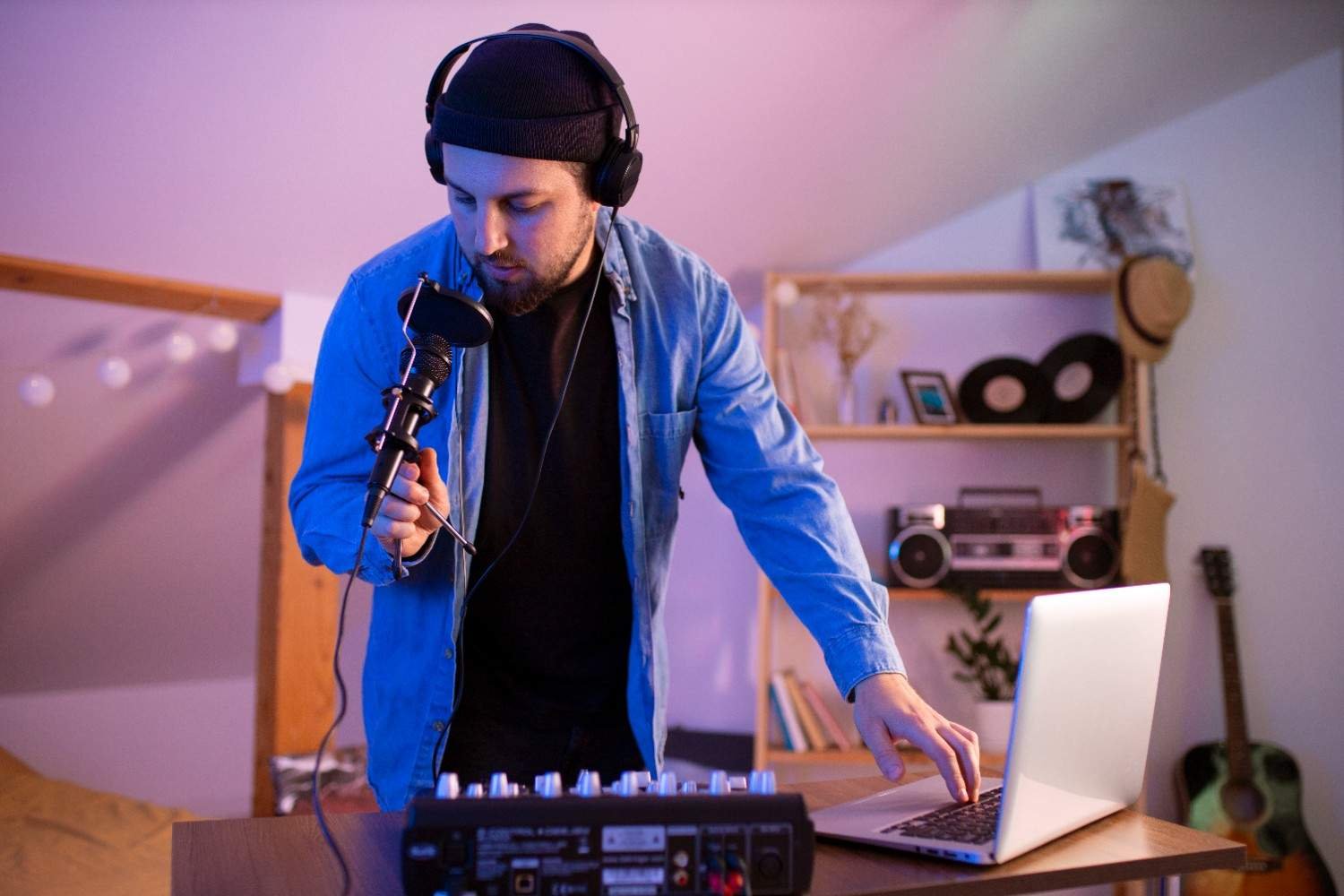
This creates extreme democratization. A bedroom creator in Ohio, Texas, Georgia, or California can experiment without waiting for a producer. A poet can turn written lines into a soul ballad. A small business owner can create background music for ads. A young songwriter can test melodies before booking studio time.
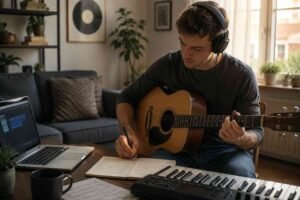
Many human musicians may also move toward a “30% AI” approach. They might use AI for brainstorming chord progressions, sound design, vocal textures, rough demos, or production ideas while keeping the final arrangement under human control. In that model, AI acts like a creative assistant instead of a replacement.
The danger is that the technical cost of sounding finished may fall to almost zero. If everyone can generate polished music instantly, quality alone may stop being a strong differentiator. Artists may need to compete through story, taste, live performance, community, and human connection.
Why AI Music Feels Exciting and Dangerous at the Same Time
AI can help preserve music history when used carefully. The Beatles’ “Now and Then” is a good example because machine learning helped separate John Lennon’s voice from an old demo. It did not create a fake Lennon performance from nothing. It restored an existing recording so the surviving members could complete the song.
That is very different from unauthorized voice cloning. The viral AI track “Heart on My Sleeve” used fake Drake and The Weeknd-style vocals and was removed from major platforms. The controversy made many fans ask whether a voice should be protected like a face, a name, or a brand.
This is where AI music copyright issues become serious. If a model learns from copyrighted songs without permission, artists may feel that their life’s work has been “slurped” into a system that can compete against them.
Recent backlash from artists such as SZA and Kenneth Blume shows how personal this issue feels. It is not just about data. It is about consent, labor, identity, and respect.
Why Musicians Are Pushing Back Against AI
The backlash is not only emotional. It is economic. Musicians already struggle with streaming payouts, touring costs, and crowded platforms. If streaming services become flooded with AI-generated tracks, human artists may have an even harder time earning attention and royalties.
Critics also warn about economic siphoning, or what some call digital siphoning. The fear is that platforms could profit from synthetic music while reducing their dependence on human artists. Some describe this as a form of technofeudalism, where technology companies control the tools, distribution, and data while creators lose power over the culture they helped build.
There is also a deeper cultural concern. Generative AI learns from existing material. That means it can easily automate nostalgia by repeating the sounds, patterns, and biases of the past.
American music has always moved forward through risk, rebellion, and personal expression. If AI mainly recombines what already worked, it may create polished songs without creating real cultural movements.
Can AI Artists Build Real Fan Culture?
AI artists can attract streams, curiosity, and controversy. Building lasting fan culture is harder. Fans do not only follow sound. They follow struggle, image, interviews, concerts, scandals, values, and personal stories.
That is why transparency matters. If a project clearly tells listeners that it is virtual, synthetic, or AI-assisted, fans can decide whether they want to participate. But if people feel tricked, trust breaks quickly. Music culture depends on belief. Fans want to know what they are supporting.
AI artists may still build communities through interactive releases, fan voting, remix culture, virtual concerts, and digital storytelling. But human artists still have an advantage that AI cannot fully copy. They can walk on stage, make mistakes, respond to a crowd, explain the pain behind a lyric, and turn a song into a shared memory.
What AI Means for the Future of US Music
The future of AI artists and music culture will likely be hybrid. Some artists will reject AI completely. Some will use it quietly. Some will build entire careers around synthetic personas. Labels will test AI projects, fans will demand transparency, and lawmakers will keep debating copyright, voice rights, and compensation.
For American music, the winning path should protect both innovation and human creativity. AI tools can help independent artists, disabled creators, low-budget musicians, and writers who want to hear their ideas come alive. But those tools should not erase the people whose voices, catalogs, and cultural traditions trained the systems.
I believe AI will change the sound of music, but it should not become the soul of music. The soul still comes from people. It comes from grief, joy, faith, rebellion, heartbreak, memory, identity, and community. AI can imitate the shape of those things, but human artists live them.
Frequently Asked Questions (FAQs)
1. Are AI artists real musicians?
AI artists can create real songs, but they are not always musicians in the traditional sense. Some are virtual projects controlled by humans, while others are AI-generated personas built with synthetic vocals, images, and production tools.
2. How is AI changing music culture in America?
AI is changing music culture by making song creation faster, cheaper, and more accessible. It is also raising concerns about copyright, voice cloning, artist consent, streaming royalties, and whether fans can trust what they hear.
3. Can AI-generated music legally use famous voices?
Using a famous artist’s voice without permission can create legal and ethical problems. Voice cloning may involve publicity rights, copyright issues, platform rules, and potential harm to the artist’s reputation.
4. Will AI replace human musicians?
AI may replace some generic background music and low-cost production work, but it is unlikely to replace human musicians completely. Fans still value real stories, live shows, emotional connection, and artist identity.
Conclusion
AI artists and music culture are forcing America to rethink what makes a song authentic. Charting AI tracks, virtual bands, hybrid creators, restored classic recordings, deepfake vocals, and copyright battles all point to the same truth: the music industry has entered a new cultural era.
The best future is not anti-AI or blindly pro-AI. It is honest, transparent, and human-first. AI can be a tool, a collaborator, or even a new art form. But music should still honor consent, credit, originality, and the human stories that made American music powerful in the first place. This matters even more in a world where parasocial relationships in music fandom make fans feel deeply connected to an artist’s voice, image, struggles, and identity.