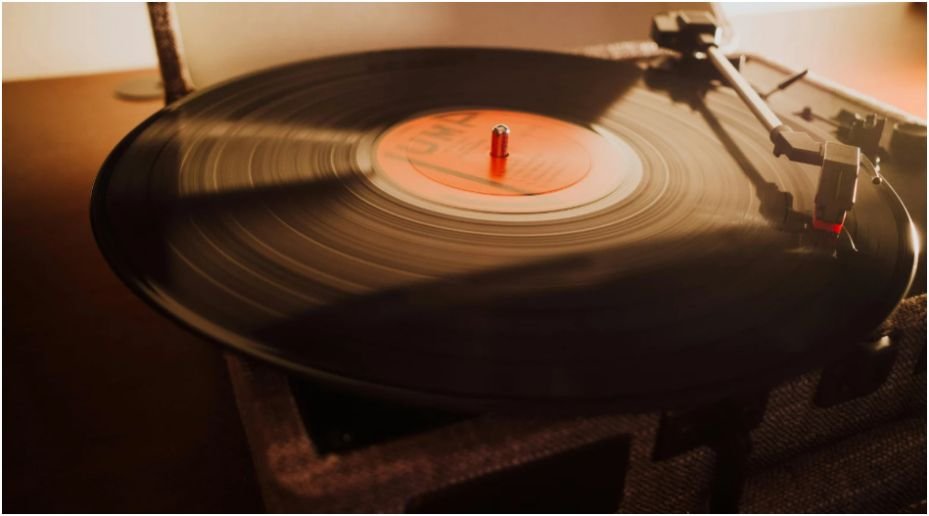
I used to think vinyl was mainly for older collectors, audiophiles, and people who missed the past. That changed when I started seeing teenagers buy new records before they even owned a proper turntable. That is the clearest clue behind why vinyl sales are growing again in music: people are not only buying sound. They are buying ownership, identity, ritual, and proof of fandom.
The vinyl comeback is not fighting streaming. It is feeding off it. Streaming helps fans discover albums quickly, while vinyl gives them a reason to keep the albums that matter.
Why Vinyl Sales Are Growing Again in Music Now
Vinyl is growing because music has become too easy to access and too easy to forget. A listener can hear thousands of songs in a week without remembering half of them. That convenience is powerful, but it also makes music feel less permanent.
In the United States, vinyl has moved from niche hobby to serious music-business category. RIAA’s 2025 data shows vinyl passed $1 billion in U.S. sales and continued its long growth streak. That matters because physical music should have declined in a streaming-first market. Instead, vinyl became the premium emotional format.
Streaming Made Music Easy, But Also Disposable
Streaming is perfect for discovery. I use it when I want to test new artists, build playlists, or check what is trending. The problem is that streaming can turn albums into background noise.
Songs appear, disappear, shuffle, repeat, and blend into other recommendations. Listeners may love a track for two days, then lose it inside an algorithmic playlist. Vinyl solves that emotional problem by giving the album a fixed place in someone’s room.
That is the “streaming-to-shelf” pattern. Fans discover music online, but they buy vinyl when an album becomes part of their personal story.
Vinyl Turns Listening Into A Choice
Vinyl asks for effort. You remove the record. You clean it. You place it on the turntable. You lower the stylus. Then you listen.
That small ritual changes the mood. It tells the brain that the album deserves attention. For many fans, that attention feels rare and valuable.
Gen Z Vinyl Buyers Are Changing Physical Music
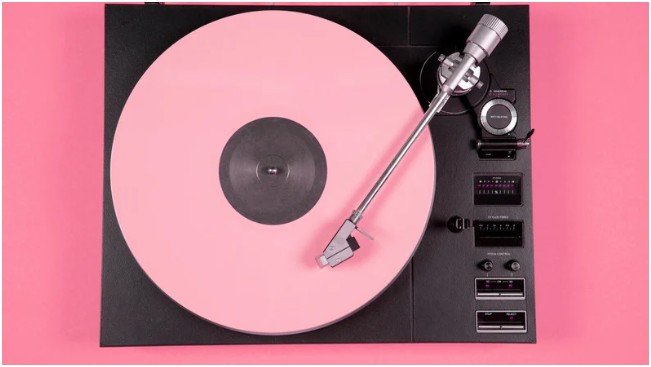
The surprising part is not that vinyl is growing. The surprising part is who is helping it grow. Younger listeners are a major force behind the format’s modern revival.
Gen Z grew up with phones, apps, cloud libraries, and instant access. That makes physical music feel different, not outdated. A record is something they can hold, photograph, display, trade, and collect.
The Digital Detox Appeal
Digital fatigue is real. People spend hours switching between screens, feeds, messages, videos, and notifications. Music can become part of that overload.
Vinyl offers a break from that cycle. It does not ask for a login, a screen, or a subscription. It lets listeners enjoy music without another app demanding attention.
That offline quality feels almost rebellious now. A record player turns music into a slower activity, not another digital tab.
Records As Identity, Not Just Audio
For young fans, a vinyl shelf can work like a personality map. It shows favorite artists, eras, genres, moods, and obsessions.
A bedroom with records by Taylor Swift, Kendrick Lamar, Fleetwood Mac, Billie Eilish, Tyler, The Creator, or Lana Del Rey says something without needing a caption. The collection becomes taste made visible.
That is why vinyl fits modern fan culture so well. It is both private and shareable.
Vinyl Variants Made Albums Collectible Again
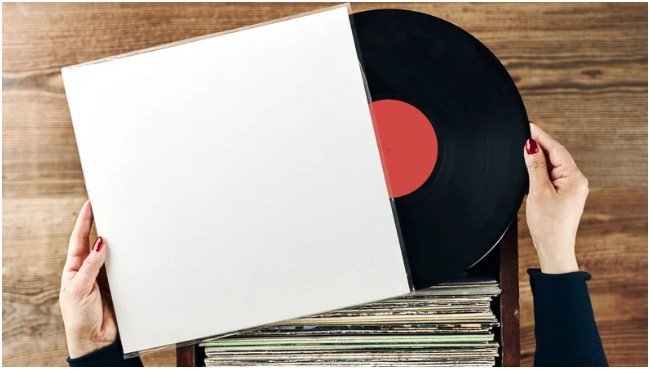
One major reason why vinyl sales are growing again in music is the rise of collectible variants. Artists and labels now treat vinyl as a premium fan product, not just a playback format.
Colored pressings, alternate covers, signed inserts, bonus tracks, posters, lyric books, and store exclusives have changed the buying experience. Fans are not always choosing between streaming and vinyl. They are choosing between the standard album and the version that feels most personal.
Taylor Swift And The Modern Variant Strategy
Taylor Swift is the clearest example of this shift. Her vinyl campaigns show how a major artist can turn an album release into a collector event.
Different editions create urgency. Exclusive artwork creates scarcity. Bonus content gives fans a reason to buy physical copies even when the music is already available online.
Some critics argue that too many variants push overconsumption. That concern is fair. Still, the strategy proves something important: fans will pay for physical music when the product feels special.
Why Limited Pressings Push Repeat Purchases
Limited pressings work because they combine music with timing. If a fan waits too long, the version may sell out. That makes vinyl feel closer to sneaker drops, merch releases, and collectible culture.
This does not mean every listener buys multiple copies. Many only buy one record. But even that single purchase often feels more intentional than clicking save on a streaming app.
Fans who want to see how physical purchases connect to rankings know Billboard chart news for a clearer look at music chart activity.
Intentional Listening Is The Real Luxury

The most underrated reason behind vinyl’s comeback is attention. In a distracted culture, focused listening feels expensive even when the record itself is not.
Streaming encourages skipping. Vinyl encourages staying.
The Album Sequence Matters Again
Artists still spend time arranging albums. The first track sets the tone. The middle builds the emotional world. The final song often closes the story.
Streaming can break that structure. Shuffle mode may turn an album into loose content. Vinyl protects the sequence because the listener usually plays one side at a time.
That makes albums feel complete again.
My One-Album Test
When I want to judge whether an album truly works, I use a simple test. I listen once through streaming while doing something else. Then I listen again without skipping, as if I were playing a record.
The second listen almost always reveals more. Transitions make sense. Deep cuts feel stronger. The weaker tracks have context. That is the power vinyl naturally creates.
It does not make every album better. It makes the listener more present.
Record Stores, Social Media, And Lifestyle Culture
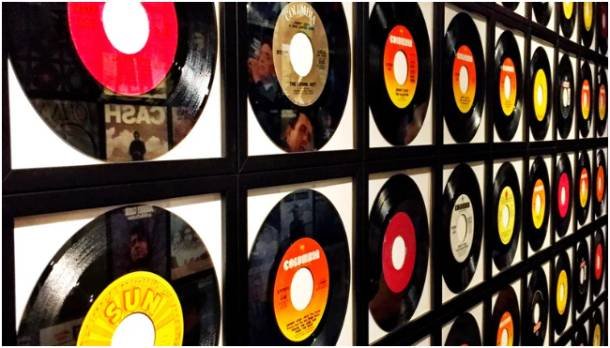
Vinyl is also growing because the culture around it is fun. Buying a record is not only a transaction. It can be a weekend habit, a date idea, a solo ritual, or a social media moment.
Record Store Day proves this clearly. Independent record stores still matter because they turn music discovery into a physical experience.
Why Browsing Feels Different From Scrolling
Scrolling is fast, but browsing is sensory. You see the cover art. You touch the sleeve. You flip through bins. You find albums you were not searching for.
That discovery feels earned. It also creates stronger memory. I may forget a random recommended track, but I remember the record I found in a small shop after twenty minutes of searching.
That experience is hard for streaming platforms to copy.
The Aesthetic Side Of Record Collecting
Vinyl also looks good. Large album artwork, lyric sheets, liner notes, colored discs, and turntable setups give fans a visual connection to music.
This matters more than some critics admit. Music has always had a visual side, from album covers to tour posters. Vinyl brings that visual identity back into the home.
A record collection can become decor, memory, and fandom in one place.
What Vinyl Growth Means For The Music Industry
Vinyl growth shows that fans still value physical music when it offers more than convenience. The format gives labels, artists, and stores a way to deepen fan relationships.
It also creates a stronger album economy. Streaming rewards constant consumption, but vinyl rewards commitment. If a fan buys a record, they are making a stronger statement than a casual stream.
For artists, this means album packaging matters again. Artwork, sequencing, credits, bonus content, and release strategy can all shape sales.
For fans, it means music can feel less disposable.
The Needle Drops, But The Point Lands
Vinyl is not growing because people suddenly rejected technology. It is growing because streaming made music endless, and endless things can feel less meaningful.
That is why vinyl sales are growing again in music. Records give fans something streaming cannot fully replace: a physical object, a listening ritual, a collector’s thrill, and a deeper connection to the album.
My tip is simple. Do not buy vinyl just because it is trendy. Buy the albums you want to live with. If the record still feels worth playing six months from now, that is not nostalgia. That is real fandom doing its job.
FAQs About Vinyl Sales Growing Again
1. Why are vinyl records popular again?
Vinyl records are popular again because fans want physical ownership, better album artwork, collectible editions, and a slower listening experience.
2. Are Gen Z listeners buying vinyl?
Yes, Gen Z listeners are buying vinyl because it feels tangible, collectible, aesthetic, and different from everyday streaming.
3. Does vinyl sound better than streaming?
Vinyl can sound warmer to some listeners, but the bigger appeal is the ritual, packaging, ownership, and album-focused experience.
4. Are vinyl sales still growing in the US?
Yes, U.S. vinyl sales are still growing, with 2025 marking another strong year for the format.