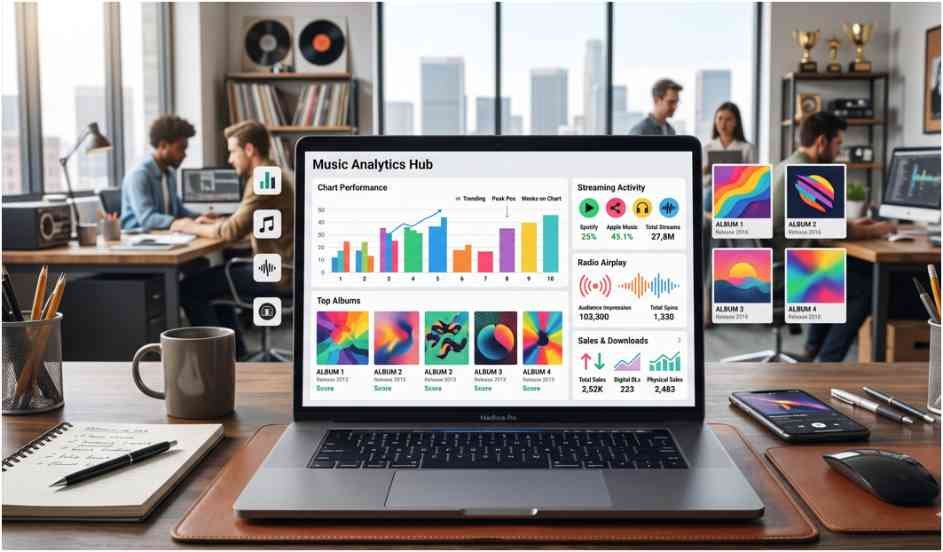
I started paying closer attention to Billboard updates when chart headlines stopped sounding simple. A song could be “No. 1,” “No. 1 on Streaming Songs,” “up on radio,” or “recurrent” in the same week. That is why billboard chart news explained for beginners matters: it helps fans read the headline without falling for hype.
Billboard charts do not measure one thing. They turn weekly music activity into rankings. For US readers, the key lesson is simple: a chart position is a snapshot of how people streamed, bought, heard, and replayed music during one tracking week.
Why Billboard Chart News Feels Confusing At First
The same artist can win in one lane and lose in another. One song may dominate streaming but trail on the Billboard Hot 100 because radio is weak. Another song may feel less viral online but keep climbing because stations keep playing it.
The tracking week usually runs from Friday through Thursday. The charts are updated after the data is processed, so online buzz and official chart news do not always move together.
Hot 100 Chart Explained: Songs, Streams, Radio, And Sales

The Billboard Hot 100 is the main US songs chart. It ranks individual songs across genres using streaming activity, radio airplay, and sales.
Streaming Shows Direct Listener Demand
Streaming shows that listeners are choosing a song. Paid subscription streams usually carry more weight than free ad-supported streams because Billboard reflects different revenue levels. A paid stream and a free stream are not always equal.
Streams can create huge debuts. When a major artist drops a single on Friday, fans can replay it all week before radio catches up.
Radio Airplay Shows Mass Exposure
Radio is not counted as “one spin equals one point.” Billboard uses audience impressions. A play on a major station can reach more people than a small-market play, so its impact can be larger.
Sales Still Matter In Close Races
Digital downloads, CD singles, vinyl singles, and other purchases can still help. Sales carry strong individual value because a purchase shows direct fan commitment. That is why fan campaigns often focus on buying during one tracking week.
Billboard 200 Album Chart Explained: Units, TEA, And SEA
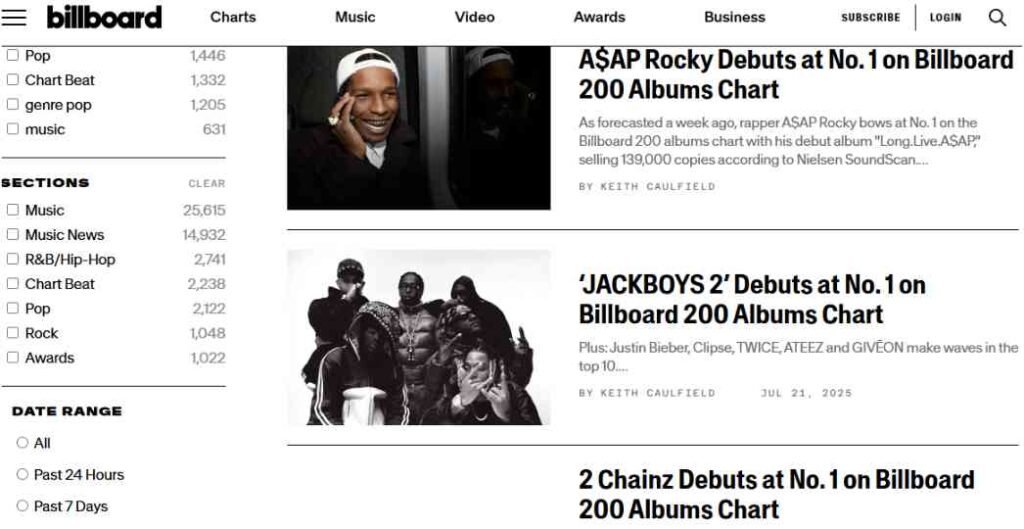
The Billboard 200 ranks albums, not songs. It uses multi-metric consumption, which means albums are ranked through album sales, track-equivalent albums, and streaming-equivalent albums.
Album-Equivalent Units Make Formats Comparable
One full album sale equals one album unit. TEA converts individual song purchases into album activity. SEA converts song streams from an album into album activity.
This is where fans often get lost. If an album has one huge single, that song’s streams can support the album chart position. That does not mean every track on the album is equally popular.
In 2026 chart rules, Billboard gave on-demand streams more weight for album consumption. Paid subscription streams still count more than ad-supported streams, but the gap became smaller. The beginner takeaway is clear: album sales, paid streams, free streams, and track sales are separate signals.
Billboard Global 200 Meaning For US Fans
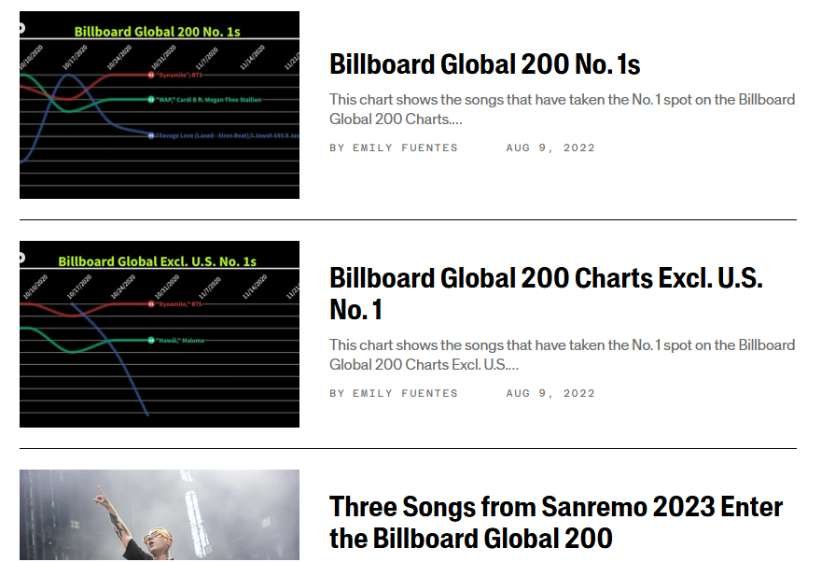
The Billboard Global 200 measures song popularity worldwide. It uses streaming and download data from more than 200 territories. Unlike the Hot 100, it is not a US-only chart.
The Global 200 is useful when a song is massive internationally but not equally dominant on US radio. K-pop, Latin music, Afrobeats, and global pop releases often show strength here before casual US listeners notice.
How To Read Billboard Chart News Headlines
This is where billboard chart news explained for beginners becomes useful in real fan conversations. A headline is usually a clue about which part of the chart machine moved.
Hot Shot Debut, Greatest Gainer, And Chart Peaks
A Hot Shot Debut means the highest-ranking new entry that week. It does not always mean the song will stay high. Some songs debut big because of intense first-week fan activity, then drop when casual listening slows.
Greatest Gainer means the song or album had the largest growth in a chart metric. That growth may come from streaming, airplay, or sales. A new peak means the song reached its highest position so far.
Recurrent Rules Keep The Hot 100 Fresh
Billboard uses recurrent rules to stop older, declining songs from clogging the Hot 100 forever. Under the newer rule set, descending songs can leave the Hot 100 if they fall below certain ranks after certain week counts.
This matters because streaming has made songs last longer. Playlists keep songs alive, fans replay old hits, and radio can hold on to familiar tracks.
My Three-Lane Decoder For Chart Headlines
My original way to read chart news is the three-lane decoder: demand, exposure, and conversion. Demand means streams. Exposure means radio. Conversion means sales or album units.
Here is a fictional example. Song A opens with huge streams, weak radio, and strong fan sales. It may debut high and drop fast. Song B opens lower, but radio grows every week. It may climb slowly and stay longer. Those two songs can both be “successful,” but in different ways.
Why Chart Positions Matter In The Music Business
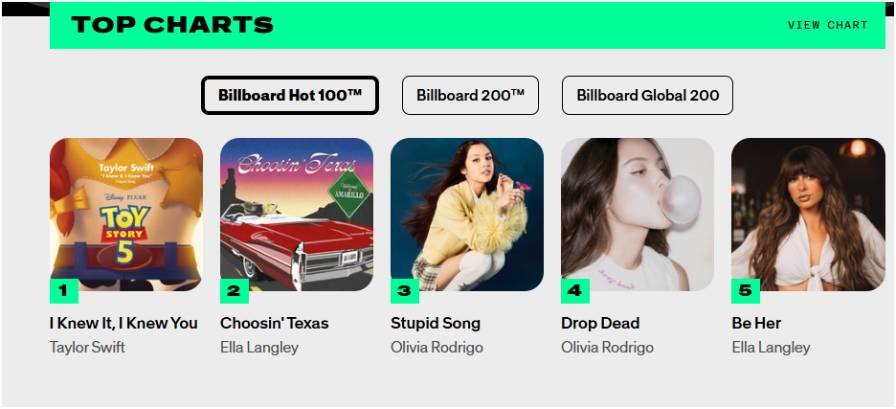
Chart success affects more than fan bragging rights. A strong Billboard run can influence playlist placement, radio confidence, festival billing, label budgets, sync opportunities, and touring conversations.
That is why fans organize streaming parties, buy downloads, request radio play, or track every update. Labels may time remixes, vinyl drops, videos, and discounts around a tracking week.
Chart strategy can be normal, but it can also create controversy when fans suspect manipulation. When chart talk crosses into contracts, sampling, AI vocals, or ownership disputes, music industry lawsuits come into the picture.
Beginner Mistakes To Avoid When Reading Billboard Updates
Do not assume No. 1 means “most loved by everyone.” It means the strongest measured activity on that chart for that week.
Do not treat all charts equally. A song can be No. 1 on Global 200 but not No. 1 on the Hot 100. An album can lead the Billboard 200 because of total units, not pure sales alone.
Do not ignore time. A debut week rewards hype. A tenth week rewards staying power. A year-end chart rewards consistency.
Frequently Asked Questions
1. What does Billboard Hot 100 mean?
The Billboard Hot 100 ranks the top US songs each week using streaming, radio airplay, and sales data.
2. How does Billboard count streams?
Billboard counts official streams, but paid subscription streams usually carry more chart weight than free ad-supported streams.
3. What is the difference between Billboard Hot 100 and Billboard 200?
The Hot 100 ranks songs, while the Billboard 200 ranks albums using sales and album-equivalent units.
4. Why do songs leave the Billboard Hot 100?
Songs can leave because they decline under recurrent rules, lose chart activity, or get pushed down by stronger current releases.
The Chart Tea Is Hot, But Read The Receipt
When I see a dramatic chart headline now, I check the chart, the metric, the week, and the story behind the movement. That small habit makes music news more fun and less misleading.
Billboard charts are powerful industry signals. Use them like a map, not a personality test. The next time someone posts chart drama, bring the receipts: streams, radio, sales, units, and timing.
Disclaimer: All images used in this blog are for editorial and informational purposes only. The visuals are either AI-generated or sourced from billboard.com. They do not represent actual events or endorse any specific brands or individuals. All trademarks, logos, and copyrighted materials belong to their respective owners.