Not every song is built for stadium lights, viral dances, or perfect radio hooks. Some songs begin in bedrooms, garages, dorm rooms, small studios, and half-empty venues before they find the people who truly need them. That is where indie music culture gets its power in America.
For me, indie music feels like a quiet rebellion against overproduced entertainment. It gives artists room to be strange, honest, emotional, and imperfect. It gives fans the thrill of discovery and the feeling that they are supporting something real before the mainstream turns it into a trend.
What Is Indie Music and Where Did the Term Come From?
Indie originally came from the word “independent.” In music, it first described artists and labels that operated outside the major commercial record label system. These artists often recorded, released, promoted, and distributed music on their own terms.
Over time, the meaning expanded. Indie became more than a business model. It became a sound, a lifestyle, a fan identity, and a global subculture. Today, indie can include indie rock, indie pop, bedroom pop, lo-fi, dream pop, garage rock, shoegaze, folk, synth-wave, and experimental alternative music culture.
The important point is that indie is not limited to one exact sound. It is built around creative freedom, emotional honesty, and a desire to make music that feels less filtered by the commercial machine.
What Are the Core Pillars of Indie Music?
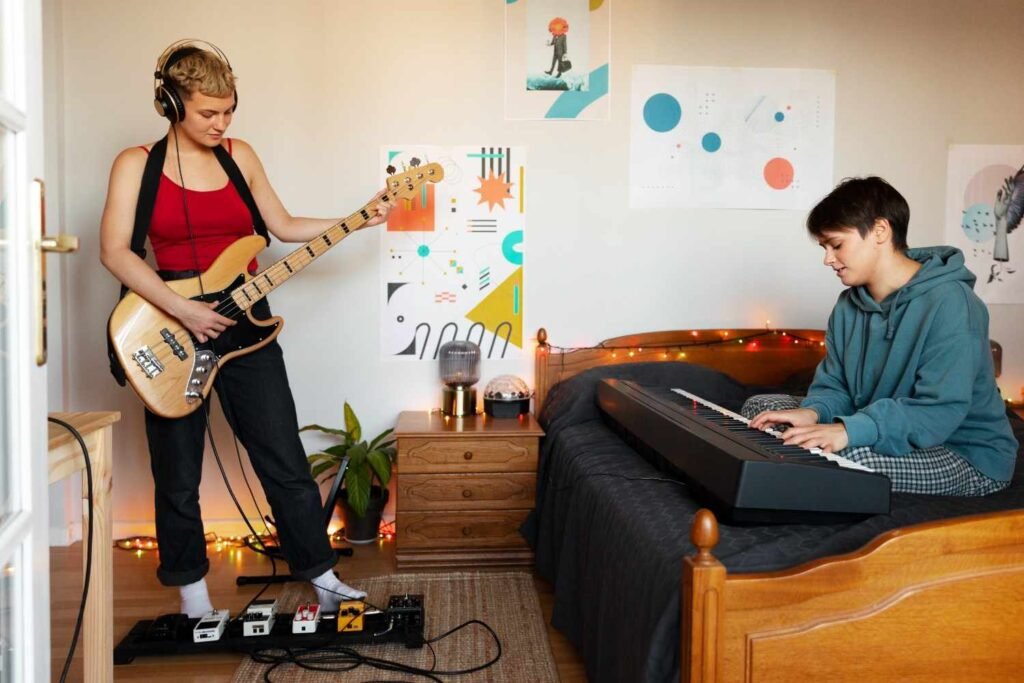
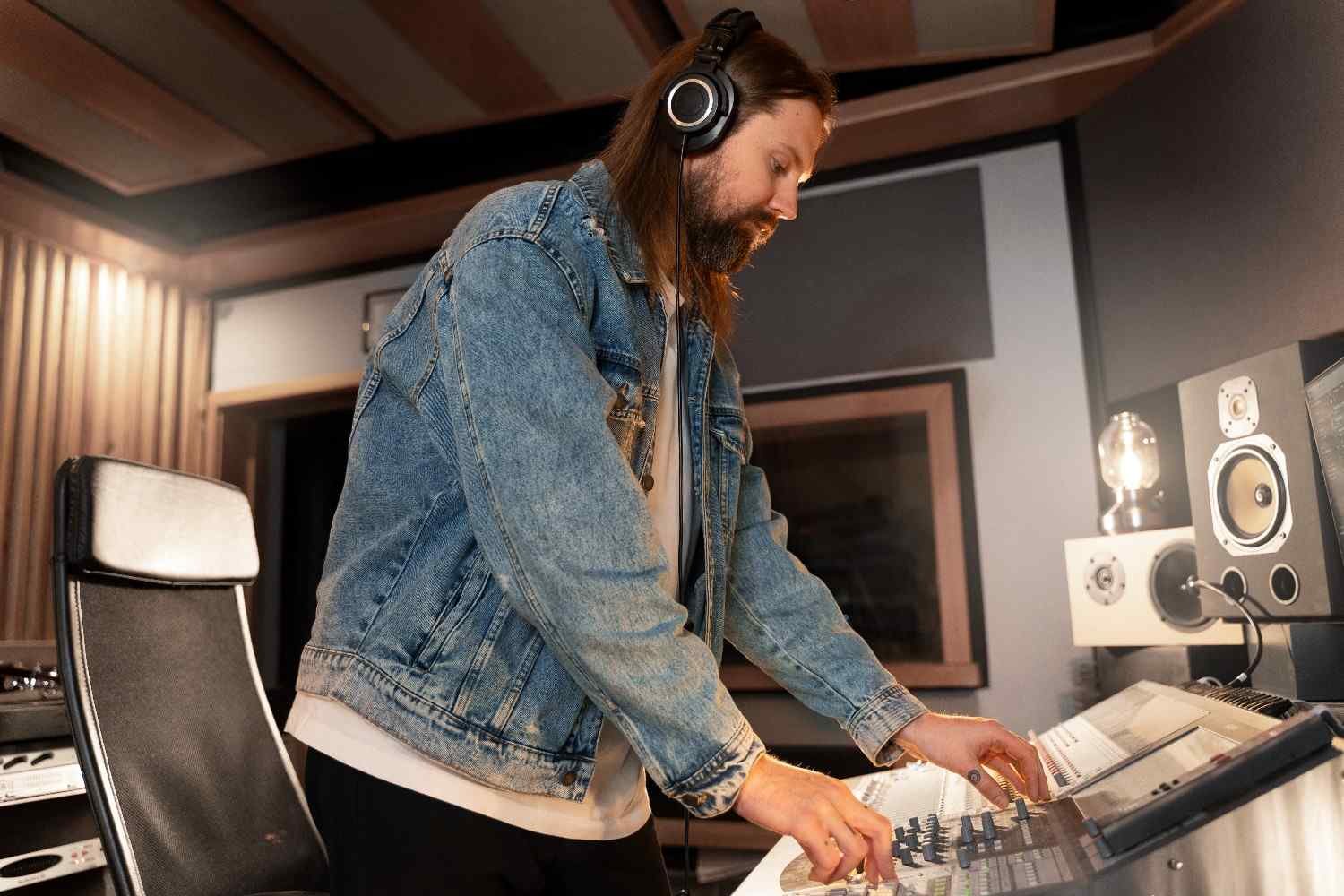
The first pillar is the DIY ethos. Independent artists often self-produce songs, book grassroots gigs, design their own visuals, sell merch directly, and distribute music through platforms like Bandcamp, Spotify, SoundCloud, YouTube, and social media. This direct-to-fan relationship makes the artist feel closer to the listener.
The second pillar is sonic experimentation. Since indie artists are not always bound by radio formulas, they can use unconventional song structures, lo-fi textures, rough vocals, strange guitar tones, bedroom-pop production, and cross-genre blending. A song does not need to sound perfect to feel powerful.
The third pillar is radical authenticity. Indie lyrics often lean inward. Instead of chasing broad commercial themes, many artists write about anxiety, identity, friendship, heartbreak, loneliness, small-town boredom, city life, mental health, and private emotional details.
The fourth pillar is community. Local venues, college radio stations, independent record stores, campus scenes, music festivals, house shows, and online fan groups keep indie alive. The culture works best when fans feel like they are part of something shared.
How Did Indie Music Grow Through US Underground Scenes?
The roots of modern indie music reach back to the late 1970s and 1980s post-punk and underground scenes in the US and UK. Artists such as Sonic Youth, R.E.M., Hüsker Dü, and The Smiths proved that bands could build serious followings through word-of-mouth, college radio, independent labels, and loyal fans.
In America, college radio played a major role. Stations gave space to artists who did not fit commercial playlists. Local scenes also became cultural engines. Athens, Georgia helped shape college rock.
Olympia, Washington influenced riot grrrl and feminist punk. Seattle pushed grunge and alternative rock into the national conversation. Brooklyn, Portland, Austin, Chicago, Los Angeles, and New York continued to shape indie scenes through small venues, labels, blogs, and festivals.
This history matters because indie was never only about recordings. It was about places, people, and communities willing to support music before the mainstream noticed.
How Did Indie Move From Underground to Mainstream?
In the 1990s and 2000s, the line between underground and mainstream became blurry. Grunge exploded commercially through bands like Nirvana, while Britpop acts such as Oasis brought alternative guitar music to huge audiences.
By the early 2000s, internet music blogs helped push bands like The Strokes, Arctic Monkeys, Arcade Fire, Yeah Yeah Yeahs, Interpol, and Vampire Weekend into wider cultural attention.
This period gave indie rock a recognizable aesthetic. It included skinny jeans, leather jackets, messy nightlife photos, vintage cameras, record collections, and a cool-but-unpolished attitude. Later, the revival of indie sleaze brought that early 2000s look back into fashion and online culture.
For US fans, this era showed how underground taste could become mainstream without fully losing its alternative identity.
How Did Streaming, TikTok, and Bedroom Pop Change Indie?
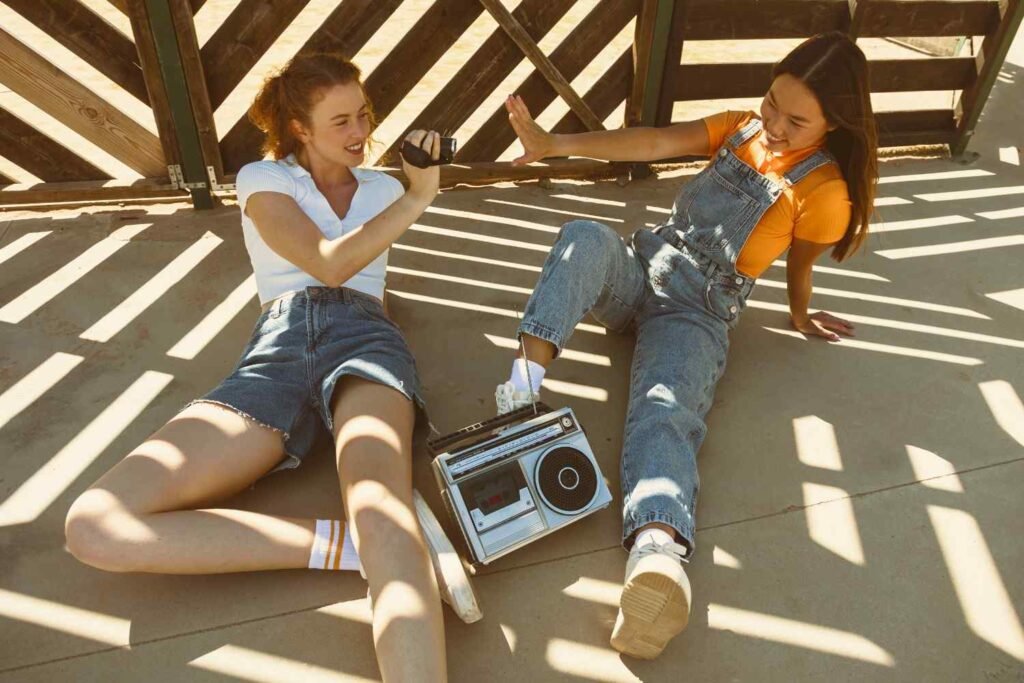
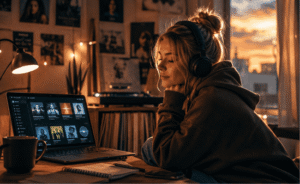
The 2010s and 2020s transformed indie again. Digital audio workstations, affordable microphones, streaming platforms, and social media allowed artists to create professional-sounding music from bedrooms, basements, dorm rooms, and home studios.
This shift helped bedroom pop, lo-fi music, and self-produced indie pop grow quickly. A young artist in Ohio, California, Tennessee, Texas, or New York can now upload a song and reach listeners across the country without waiting for a label executive.
TikTok, Spotify playlists, YouTube recommendations, Bandcamp communities, Discord servers, and Instagram reels all changed how fans discover independent artists.
The same pattern has spread globally, including fast-growing independent scenes in countries such as India, where artists like When Chai Met Toast and Ritviz show how local indie movements can reach wide audiences.
Still, for American listeners, the biggest change is clear: discovery no longer depends only on radio, magazines, or record stores. Fans now help songs travel.
What Is the Indie Paradox Today?
The biggest contradiction in indie today is that the word can mean two different things. Technically, indie still refers to artists who are unsigned or connected to small independent labels. Culturally, however, indie can describe an aesthetic even when an artist works with a major-label subsidiary.
That creates the indie paradox. An artist may sound alternative, dress vintage, use lo-fi textures, and promote emotional authenticity while still operating inside a powerful commercial system. At the same time, truly independent artists may remain niche, underfunded, and dependent on direct fan support.
This does not make modern indie fake. It simply means listeners should understand the difference between industry status and artistic style. Indie can be a business model, a sound, a mood, and a marketing image all at once.
Why Is Indie More Than Music?
Indie has shaped American lifestyle and fashion as much as playlists. Thrift-store fashion, vintage band tees, tote bags, Doc Martens, film photography, handmade posters, vinyl collecting, and anti-corporate style all connect to the culture.
It has also created space for conversations about gender expression, mental health awareness, social justice, and inclusivity. The best version of indie welcomes Black artists, Latino artists, queer artists, women-led bands, working-class musicians, disabled artists, immigrant voices, and anyone creating outside the mainstream mold.
That inclusive promise matters because indie spaces have not always been perfect. Gatekeeping, class privilege, race barriers, and narrow ideas of “cool” have shaped parts of the scene. A stronger future depends on making the culture more open, not more exclusive.
Why Do Fans Connect So Deeply With Indie Artists?
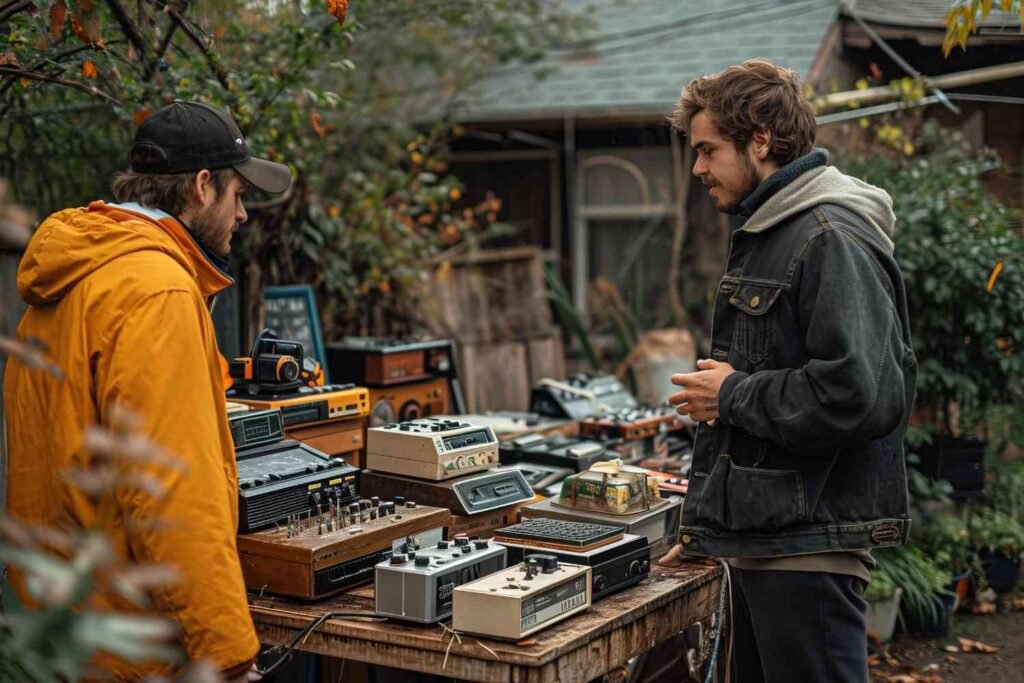
Fans connect with indie artists because the music often feels close to real life. The songs can sound imperfect, intimate, specific, and emotionally honest. Listeners feel like they are not just consuming a product. They are discovering a person, a story, and a scene.
That connection grows through small shows, merch tables, direct messages, vinyl releases, Bandcamp Fridays, local festivals, and word-of-mouth recommendations. Indie fans often enjoy the act of discovery itself. They want to find the artist before everyone else does, support the first tour, and tell friends about the song that feels like a secret.
This is why indie music culture still matters in the US. It protects the human side of music in a world where entertainment often becomes algorithmic, branded, and overproduced. It also reminds listeners of the deeper benefits of listening to music, from emotional comfort and self-expression to feeling connected with a community that understands them.
Frequently Asked Questions (FAQs)
1. What does indie music mean?
Indie music originally meant music released independently from major record labels. Today, it can also describe a sound, style, and culture built around creative freedom, DIY values, emotional lyrics, and alternative music communities.
2. Is indie music a genre or a subculture?
Indie is both. As a genre label, it includes indie rock, indie pop, bedroom pop, lo-fi, dream pop, and alternative music. As a subculture, it includes fashion, fan identity, local scenes, record stores, DIY venues, and independent creative values.
3. Why is DIY important in indie music?
DIY is important because it gives artists more control over their sound, image, releases, shows, and fan relationships. It allows musicians to create without depending entirely on major labels, radio formulas, or commercial trends.
4. What makes indie music different from mainstream music?
Indie music often values raw emotion, creative risk, unusual production, intimate lyrics, and direct artist-fan relationships. Mainstream music usually focuses more on mass appeal, polished production, and commercial reach.
5. Is indie music still popular in the United States?
Yes, indie remains popular in the US through streaming, TikTok, college radio, small venues, music festivals, Bandcamp, vinyl culture, and local scenes. The sound has changed, but the demand for independent and alternative music remains strong.
Conclusion
When I look at indie today, I see a culture that keeps changing without losing its emotional center. It started with independent labels, college radio, post-punk scenes, and underground venues. It grew through grunge, blog rock, indie sleaze, streaming, TikTok, bedroom pop, direct-to-fan communities, and new conversations around AI artists and music culture.
What makes it last is not only the sound. It is the belief that music should leave room for risk, honesty, imperfection, and personal connection. In a mainstream industry built around trends, indie music culture continues to give American fans something different: music that feels handmade, human, and worth discovering.