
I have always believed music becomes more powerful when it is shared, not just performed. That is why how to become a music teacher is such an exciting question for musicians who want a career with creativity, stability, and purpose.
Teaching music is not only about showing someone how to sing, play piano, read notes, or hold a violin. It is about helping students build confidence, discipline, expression, and a lifelong connection with sound.
A music teacher may work in elementary schools, middle schools, high schools, private studios, online lesson platforms, community programs, or colleges. Some teach general music, while others focus on band, choir, orchestra, piano, guitar, voice, music theory, or production. The best path depends on where you want to teach and what kind of students you want to guide.
What Does a Music Teacher Do?
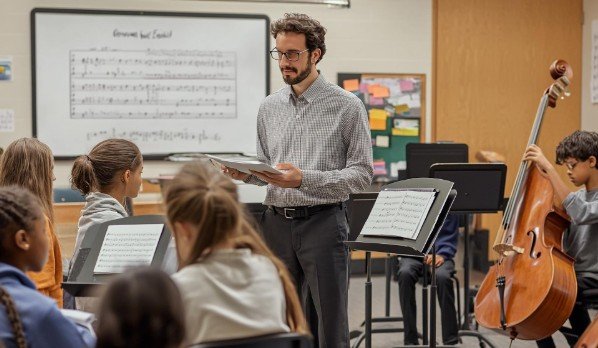
A music teacher helps students understand, perform, and appreciate music. In schools, the role often includes planning lessons, leading ensembles, teaching rhythm and melody, preparing concerts, grading assignments, and supporting students with different learning levels. A teacher may also manage instruments, organize rehearsals, and connect how music can nurture mutual respect, history, and creativity.
Private music teachers usually work one-on-one or with small groups. They may teach voice, piano, guitar, drums, violin, or another specialty. Their work includes building lesson plans, tracking progress, preparing students for recitals, and helping learners improve technique. Private teachers also need business skills because they often manage scheduling, pricing, marketing, and student communication.
How to Start Your Music Teaching Journey
The first step is building strong musical ability. You do not need to be perfect, but you should understand your instrument, basic music theory, ear training, rhythm, performance, and practice methods. Students trust teachers who can explain music clearly and demonstrate it with confidence.
Next, choose your teaching direction. If you want to teach in a public school, you will usually need a music education degree, supervised student teaching, and a state teaching license. If you want to teach privately, your path can be more flexible. A degree helps, but many private instructors grow through performance experience, strong student results, referrals, and a clear teaching style.
Education Requirements for Music Teachers

For school-based roles, a bachelor’s degree in music education is the most common route. These programs usually combine musicianship, teaching methods, classroom management, child development, conducting, ensemble work, and field experience. Student teaching is especially important because it gives future teachers real classroom practice before they lead their own classes.
Some musicians enter teaching after earning a degree in performance, composition, or another music-related field. In that case, they may need an alternative teacher preparation program depending on state rules. A master’s degree is not always required, but it can help with career growth, higher-level teaching roles, and stronger subject knowledge.
Licensing and Certification
To teach music in public schools, certification requirements vary by state. Most routes include a bachelor’s degree, an approved teacher preparation program, student teaching, background checks, and passing required exams. Some states use subject-specific music exams, while others use their own testing systems.
Private teaching is different. A private instructor may not need a state license, especially when teaching from home, online, or through a studio. However, professional certification, music association membership, strong testimonials, and recital results can help build trust. Parents and adult learners often look for proof that a teacher is skilled, organized, and reliable.
School Music Teacher vs Private Music Teacher
A school music teacher usually works with larger groups and follows a set curriculum. This path may offer a regular schedule, employee benefits, and long-term stability. It also requires patience, classroom control, planning, and the ability to teach students with different interests and skill levels at the same time.
A private music teacher has more freedom. You can choose your niche, set your own lesson style, and work with students who specifically want instruction. However, income may depend on marketing, referrals, cancellations, and student retention. Many teachers combine both paths by working in schools during the day and offering private lessons after school or online.
Important Skills Every Music Teacher Needs

Strong musicianship matters, but teaching is more than talent. A good music teacher must communicate clearly, listen carefully, and adjust lessons for each student. Some students learn by hearing, some by seeing, and others by doing. A great teacher knows how to explain one idea in several ways.
Classroom management is also important. In group settings, students need structure, encouragement, and clear expectations. In private lessons, motivation matters more. Teachers must know when to challenge a student and when to slow down. Patience, creativity, organization, empathy, and consistency are essential.
Music teachers also need performance confidence. Even if you are not performing professionally, students learn from your tone, posture, timing, expression, and practice habits. Your example often teaches more than your words, just as clear step-by-step guidance helps beginners learn how to connect phone to Ford SYNC without confusion.
How Long Does It Take to Become a Music Teacher?
For school teaching, the path often takes about four years if you complete a bachelor’s degree in music education. It may take longer if you pursue graduate study, change careers, or complete an alternative certification route. State testing and licensing timelines can also affect how quickly you begin working.
For private teaching, the timeline depends on your current skill level and confidence. A trained musician may begin teaching beginner students sooner, especially with a clear lesson plan and strong communication skills. However, building a full student schedule takes time. Reputation grows through consistency, student progress, and word-of-mouth referrals.
How to Build Experience Before Your First Job
Experience makes your application stronger. You can start by tutoring younger students, helping with school ensembles, volunteering at music camps, assisting choir or band directors, or offering beginner lessons. These experiences help you learn how students respond, where they struggle, and how to explain ideas simply.
Create a basic teaching portfolio. Include your education, performance background, instruments taught, sample lesson plans, recital clips, student achievements, and references. If you want private students, build a simple online profile that explains who you teach, what lessons include, and how students can book a trial session.
Music Teacher Salary and Career Growth
Music teacher pay depends on location, workplace, experience, education level, and whether the role is full-time, part-time, school-based, or private. School teachers may earn steady pay and benefits, while private teachers may earn more per lesson but need to manage their own schedule and expenses.
Career growth can lead to roles such as choir director, band director, orchestra director, department chair, the music director, private studio owner, online course creator, or college instructor. Some teachers also expand into composition, recording, worship music, theater, or arts administration.
Frequently Asked Questions
1. Do you need a degree to teach music?
You usually need a degree and teaching license for public school roles. Private lessons may not require a degree, but strong skills, experience, and trust are still important.
2. Can I teach music online?
Yes, online music teaching is common for voice, piano, guitar, theory, songwriting, and production. A good camera setup, clear audio, and structured lesson plans help students learn better.
3. What is the best major for music teachers?
Music education is usually the best major for future school teachers because it combines musicianship with teaching methods, classroom practice, and student teaching.
4. How long does how to become a music teacher take?
It often takes around four years for a school teaching path through a bachelor’s degree. Private teaching can begin sooner if you already have strong musical and teaching skills.
Final Thoughts
When I look at this career path, I see music teaching as one of the most meaningful ways to turn skill into service. How to become a music teacher is not just about earning a degree or getting certified. It is about learning how to guide people, explain music clearly, and create lessons that make students feel capable.
The best teachers keep growing. They practice, listen, study, perform, and adapt. Whether you want a classroom, a private studio, or an online lesson business, the right mix of training, patience, and passion can help you build a career that sounds as good as it feels.