
Some songs entertain us for a few minutes, while others stay with us long after they end. Gospel music often falls into the second category. Even if you’ve never stepped inside a church or followed Christian traditions, there’s something about the soaring harmonies, heartfelt vocals, and unmistakable emotion that can stop you in your tracks.
If you’ve ever wondered what gospel music is and why it continues to resonate across generations, you’re not alone. The genre has shaped countless artists, influenced modern styles like soul, R&B, and rock, and remained one of the most emotionally powerful forms of musical expression.
Before adding a few tracks to your playlist, it helps to understand the story, sound, and cultural roots that make gospel music unlike anything else.
What Is Gospel Music?

At its heart, gospel music is a genre of Christian music centered on faith, hope, worship, and personal testimony. While its lyrics often draw from biblical teachings and Christian beliefs, its emotional reach extends far beyond religious audiences. Many listeners appreciate gospel music simply because of its sincerity, powerful storytelling, and unforgettable vocal performances.
The genre emerged from African American religious experiences and evolved by blending traditional hymns with musical influences such as blues, jazz, ragtime, and later soul and rhythm and blues. Rather than aiming for technical perfection alone, gospel music places equal importance on genuine emotion. Every performance is designed to connect with listeners on a personal level, whether through celebration, reflection, or encouragement.
Unlike many commercial genres that focus primarily on entertainment, gospel music has always been rooted in community. Choirs, congregations, and musicians perform together, creating an atmosphere where everyone feels like part of the experience rather than just an audience.
The Elements That Define Gospel Music
Several characteristics give gospel music its unmistakable identity.
Meaningful, Faith-Centered Lyrics
The foundation of every gospel song is its message. Lyrics commonly celebrate God’s love, offer encouragement during difficult times, share personal testimonies, or retell biblical stories. Even modern gospel music continues to emphasize hope, perseverance, gratitude, and spiritual growth.
Powerful Vocal Performances
Few genres showcase vocals quite like gospel music. Strong lead singers are often supported by full choirs that create rich layers of harmony. One of its most recognizable features is the call-and-response style, where a lead vocalist sings a phrase and the choir or audience responds. This tradition creates an energetic and deeply engaging listening experience.
Rich Instrumentation
Although voices remain the focal point, the instruments play an equally important role in shaping the genre’s emotional depth. Gospel arrangements commonly include:
- Piano
- Hammond organ
- Bass guitar
- Drums
- Electric guitar
- Handclaps and rhythmic percussion
These instruments build a dynamic sound that can shift from quiet reflection to joyful celebration within the same song.
Emotion Above Perfection
One reason gospel music continues to resonate is its authenticity. Listeners often connect with the honesty behind each performance. Whether expressing joy, grief, gratitude, or hope, gospel artists prioritize genuine feeling over polished perfection, making every song feel deeply personal.
The Different Styles of Gospel Music
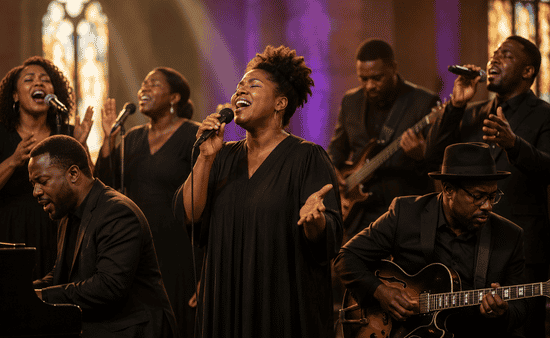
As gospel music evolved, it branched into several styles while staying true to its spiritual foundation. Two of the most recognized forms are Black Gospel and Southern Gospel, though contemporary variations continue to grow in popularity.
Black Gospel
Black Gospel developed within African American churches and is known for its vibrant energy, powerful choirs, and emotional performances. It draws inspiration from blues, soul, R&B, and even hip-hop, making it one of the most influential styles in modern music. Improvisation, expressive vocals, and audience participation are central to the experience.
Southern Gospel
Southern Gospel originated in the southern states and traditionally features male quartets or family groups. The music emphasizes four-part harmonies, storytelling, and country or bluegrass-inspired instrumentation. While its sound differs from Black Gospel, it shares the same goal of expressing faith through music.
Contemporary Gospel
Today’s gospel artists often blend traditional themes with modern production, incorporating pop, R&B, and hip-hop influences. This style has introduced gospel music to younger audiences while preserving its uplifting message.
Gospel Artists Worth Exploring
If you’re just getting started, these artists offer an excellent introduction to the genre.
- Mahalia Jackson – Often called the Queen of Gospel, her powerful voice helped introduce gospel music to audiences around the world.
- The Clark Sisters – Known for their remarkable harmonies and lasting influence on contemporary gospel.
- Kirk Franklin – One of the most influential modern gospel artists, blending gospel with R&B and hip-hop while reaching mainstream audiences.
- The Gaither Vocal Band – A Southern Gospel favorite recognized for polished four-part harmonies and timeless performances.
Listening to these artists gives you a broad understanding of how gospel music has evolved across different generations.
What Makes Gospel Music So Powerful?

Gospel music is more than a collection of songs—it’s an emotional experience. Whether recorded during a live church service or inside a professional studio, every performance encourages listeners to feel connected through music.
The combination of passionate vocals, layered harmonies, meaningful lyrics, and dynamic instrumentation creates an atmosphere that few genres can match. You don’t have to share the same religious beliefs to appreciate the artistry behind the performances. Many listeners are drawn simply by the musicianship, storytelling, and emotional honesty.
As more listeners discover classic and contemporary gospel through digital platforms, it’s also becoming easier to see how playlists help songs go viral, introducing timeless performances to entirely new audiences who may never have explored the genre otherwise.
Frequently Asked Questions: What Is Gospel Music? Everything You Need to Know Before You Listen
What is gospel music mainly about?
Gospel music focuses on Christian faith, worship, hope, gratitude, and personal testimony. Its lyrics often reflect biblical teachings while encouraging listeners through uplifting messages and emotional storytelling.
Is gospel music only for Christians?
No. While gospel music is rooted in Christianity, many people enjoy it for its outstanding vocal performances, musical arrangements, historical significance, and emotional depth regardless of their religious beliefs.
What’s the difference between gospel music and Christian music?
Christian music is a broad category that includes worship music, contemporary Christian music, hymns, and gospel. Gospel music is a specific genre known for its choir traditions, soulful vocals, call-and-response patterns, and roots in African American church culture.
Who is considered the father of gospel music?
Thomas A. Dorsey is widely recognized as the Father of Gospel Music. He helped shape modern gospel by blending blues and jazz influences with Christian lyrics during the early twentieth century.
Why Gospel Music Continues to Move People
Musical styles come and go, but gospel music has remained relevant because it speaks to something universal. Its combination of faith, resilience, community, and genuine emotion creates an experience that feels authentic in every generation.
Whether you discover it through a historic choir recording, a contemporary artist, or a live performance, gospel music reminds listeners that powerful storytelling often begins with honest voices and shared experiences.
Sometimes the songs that stay with us the longest aren’t the loudest or the trendiest—they’re the ones that make us feel something real. Gospel music has been doing exactly that for generations, and it’s likely to keep inspiring listeners for many more.