
The phrase the earth has music for those who listen feels simple, but it asks something difficult from us. It asks us to slow down before the world gets louder than our attention.
I used to think nature sounds were just pleasant background noise. Birds sang, leaves moved, rain fell, and streams ran because that is what they do. Then I started treating those sounds like a real composition. A short walk became less about covering distance and more about hearing texture, rhythm, silence, and surprise.
That is the real value of this phrase. It is not only about music. It is about awareness.
What the Phrase Really Means
The quote is often linked online to George Santayana or William Shakespeare, but the attribution is not fully confirmed. That matters because the idea is stronger when we do not force it into a famous name. Its meaning stands on its own.
The earth has music for those who listen means nature is already speaking through sound. We do not need a concert hall to hear pattern. We can hear it in a backyard, a public park, a hiking trail, a beach, or even through a cracked window during rain.
This “music” is not always melodic. Sometimes it is the dry shake of oak leaves. Sometimes it is the soft pulse of traffic mixing with wind. Sometimes it is one birdcall cutting through morning air like a bright note on a piano.
Listening changes the scene. A place stops being scenery and becomes alive.
Why Natural Soundscapes Calm the Mind
Natural soundscapes work because they rarely attack our attention. City sounds often arrive as interruption: horns, sirens, engines, alerts, doors, machines. Nature sounds tend to move in softer patterns. They rise, fade, overlap, and repeat.
That difference matters. The National Park Service treats natural acoustic environments as important resources in national parks because sound affects both people and wildlife. A quiet trail is not empty. It is full of information.
Forest Bathing Turns Listening Into a Reset

Forest bathing, or Shinrin-yoku, is not about hiking fast or checking off miles. It means taking in the forest atmosphere through the senses. When I approach it through sound, I notice my pace change first. My steps slow down because my ears need time.
A forest softens noise in a special way. Leaves, soil, bark, moss, and uneven ground absorb and scatter sound. The result is not silence. It is a calmer acoustic space.
Research on forest bathing has linked forest exposure with lower short-term cortisol levels in many studies. That does not mean trees are magic medicine. It means the body often responds well to natural settings, especially when we stop rushing through them.
Wind and Water Create Gentle Acoustic Patterns
Wind and water are two of the easiest natural sounds to notice. They also explain why many people use rain, stream, or ocean recordings for focus and sleep.
A running stream does not repeat like a metronome. It shifts constantly, but it stays steady enough to feel safe. Wind through pine trees behaves the same way. It has movement without chaos.
Some people compare these sounds to pink noise because they contain a balanced spread of frequencies that can feel softer than harsh background noise. I think of them as nature’s way of sanding the sharp edges off a busy day.
Bioacoustics: The Wild Orchestra Around Us

Bioacoustics is the study of sounds made by living things. Once I learned that word, I stopped hearing birds as “just birds.” I started hearing signals.
A birdcall can warn. A frog chorus can mark season and place. Insects can turn warm evenings into a pulse. Animals are not performing for us, but their communication creates one of the richest soundtracks on earth.
Why the Dawn Chorus Feels So Alive
The dawn chorus is the burst of birdsong that happens around sunrise. It can feel almost unreal because so many calls overlap at once. Birds use these sounds for territory, mating, location, and contact.
For a listener, the dawn chorus is a reminder that the day does not begin with a phone screen. It begins with a living network already awake.
Try stepping outside before sunrise for five minutes. Do not identify every bird at first. Just notice distance. Which sound is close? Which one is far? Which call repeats? Which one cuts through everything else?
That is how listening becomes participation.
How Sound Maps Help You Hear the Planet
You do not need to live near a forest to hear the wider earth. Interactive sound projects make global listening possible.
Radio Aporee collects field recordings from urban, rural, and natural environments around the world. Xeno-Canto shares wildlife sounds, especially bird and animal recordings, contributed by recordists across many regions.
These tools are useful because they turn listening into travel. You can compare a wetland in one state with a forest in another country. You can hear how place changes sound.
This is also where music lovers can make a fun connection. A rough field recording can feel like a natural sketch. It is not polished, but it captures a living idea. If you enjoy how raw sound becomes art, know about what is a demo in music.
The Schumann Resonance and Earth’s Hidden Rhythm
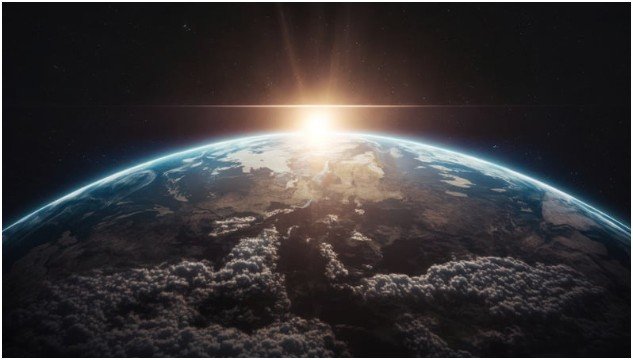
The Schumann Resonance is often described as earth’s electromagnetic “hum.” Its fundamental frequency is commonly listed near 7.83 Hz, which is far below normal human hearing. It forms in the cavity between the earth’s surface and the ionosphere, shaped largely by global lightning activity.
This does not mean you can sit in a park and hear the Schumann Resonance with your ears. You cannot. It is not a song in the normal sense.
Still, it adds a fascinating layer to the phrase the earth has music for those who listen. Some rhythms are audible. Some are measurable. Some are felt only as wonder.
The safest way to understand it is this: the planet is active at levels beyond everyday perception. Listening begins with sound, but it can lead to curiosity about forces we cannot directly hear.
My Three-Layer Listening Practice
The easiest way to hear more is to stop trying to hear everything at once. I use a simple three-layer method when I want a place to open up.
Layer One: Hear the Closest Sound
Start with the nearest sound. It may be your breath, shoes on gravel, a jacket sleeve moving, or grass under your feet.
This first layer brings attention back into the body. It also stops the mind from chasing every sound at once.
Layer Two: Notice the Background
Next, listen past yourself. Find the wider sound bed.
Maybe it is wind in trees, a lawn mower far away, insects in weeds, rain on a roof, or traffic softened by distance. Do not judge the sound. Just place it.
This helps you understand where you are through your ears.
Layer Three: Feel the Rhythm
Finally, listen for pattern. What repeats? What answers? What fades and returns?
Birds often call in phrases. Water pulses around stones. Wind moves in waves. Even a city park has rhythm if you give it time.
This is the moment when the earth stops sounding random.
How to Listen When You Live in a Busy Place
Many US readers do not have easy access to quiet forests or clean mountain streams. That does not make the practice impossible. It only changes the entry point.
A balcony can work. A neighborhood sidewalk can work. A public garden, school field, cemetery path, lakefront, beach access point, or local trail can work.
The trick is to stop hunting for perfect silence. Perfect silence is rare. Better listening is more realistic.
Choose one small sound and stay with it. A sparrow near a parking lot still counts. Rain in a gutter still counts. Leaves moving beside an apartment building still count.
You can also protect the moment by leaving one earbud out during a walk. I like doing this because it keeps me connected to the place without making the walk feel like an assignment.
The earth has music for those who listen is not asking us to escape life. It is asking us to pay attention inside it.
FAQs
1. Who said the earth has music for those who listen?
The quote is often attributed to George Santayana or Shakespeare, but the original source is not firmly verified.
2. What does the phrase mean?
It means nature is full of sound, rhythm, and beauty for people who slow down enough to notice it.
3. How can I hear nature sounds in a city?
Listen for birds, wind, rain, insects, trees, and distant water in parks, yards, streets, and open public spaces.
4. Is nature sound good for stress?
Natural sounds may support relaxation, especially when combined with slow walking, quiet breathing, and mindful attention.
The Earth Is Playing. Don’t Leave It on Mute.
I like this phrase because it does not shame us for being busy. It simply reminds us that we are missing something beautiful when we rush through every place with closed ears.
Nature’s music is not always soft or pretty. Sometimes it is messy, wet, sharp, strange, or barely there. That is what makes it real.
The next time you step outside, do not start with a podcast, playlist, or phone call. Give the world five quiet minutes first. Pick one sound. Follow it. Let it lead you into the rest of the scene.
That small act can turn an ordinary day into a listening practice. And honestly, the planet has been playing long enough. It is only fair that we finally tune in.