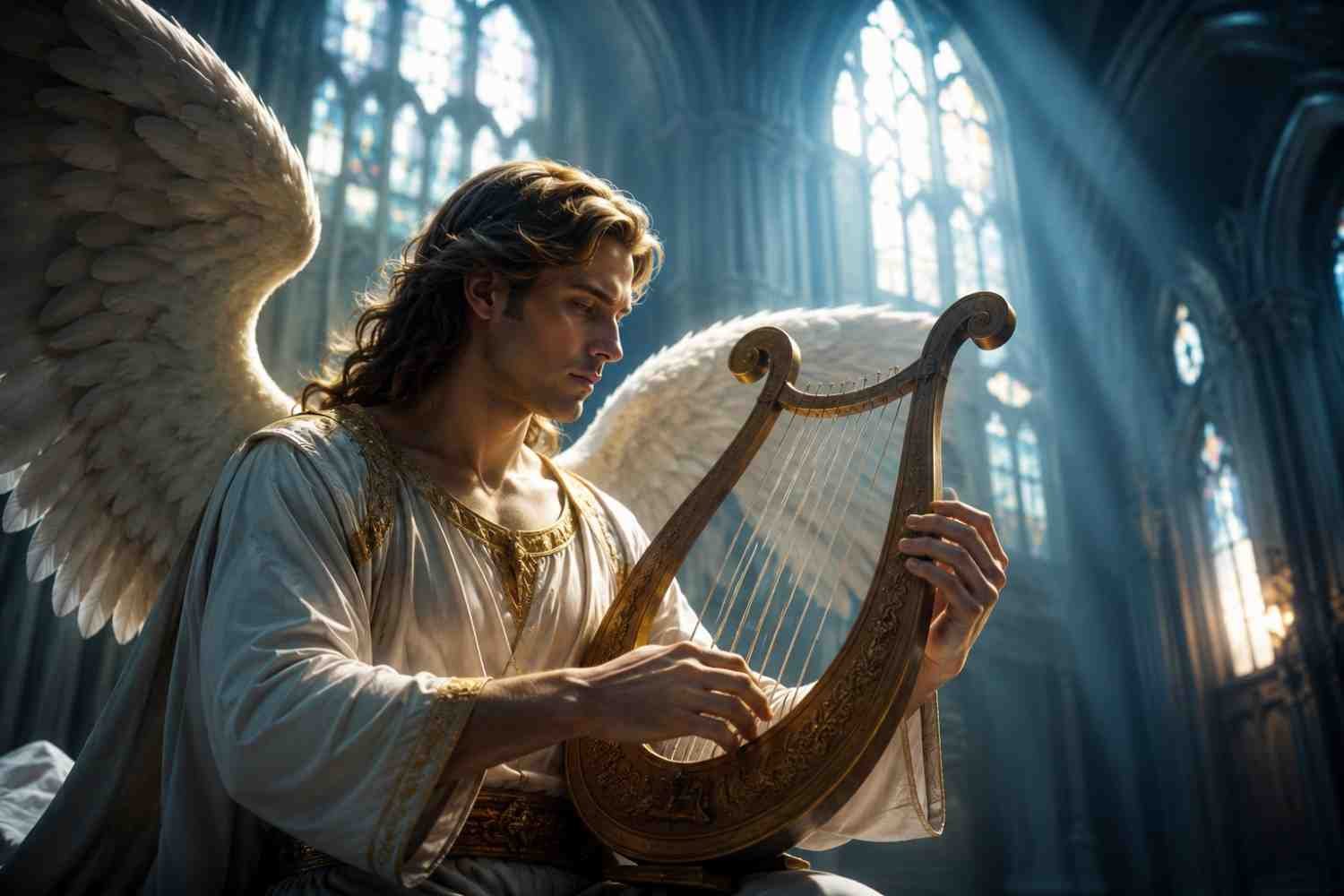
Few biblical questions spark as much debate as the idea that Lucifer was once heaven’s chief musician. It’s a claim that appears in sermons, Christian books, social media posts, and countless online discussions. Because it has been repeated for decades, many people assume it comes directly from Scripture.
The surprising part is that the Bible never explicitly calls Lucifer the “Angel of Music.” The belief developed over time through interpretation, tradition, and literature rather than a clear biblical statement. Understanding where the idea originated requires looking at the passages people commonly reference and reading them within their historical and literary context.
Why Do So Many People Believe Lucifer Was Heaven’s Music Leader?
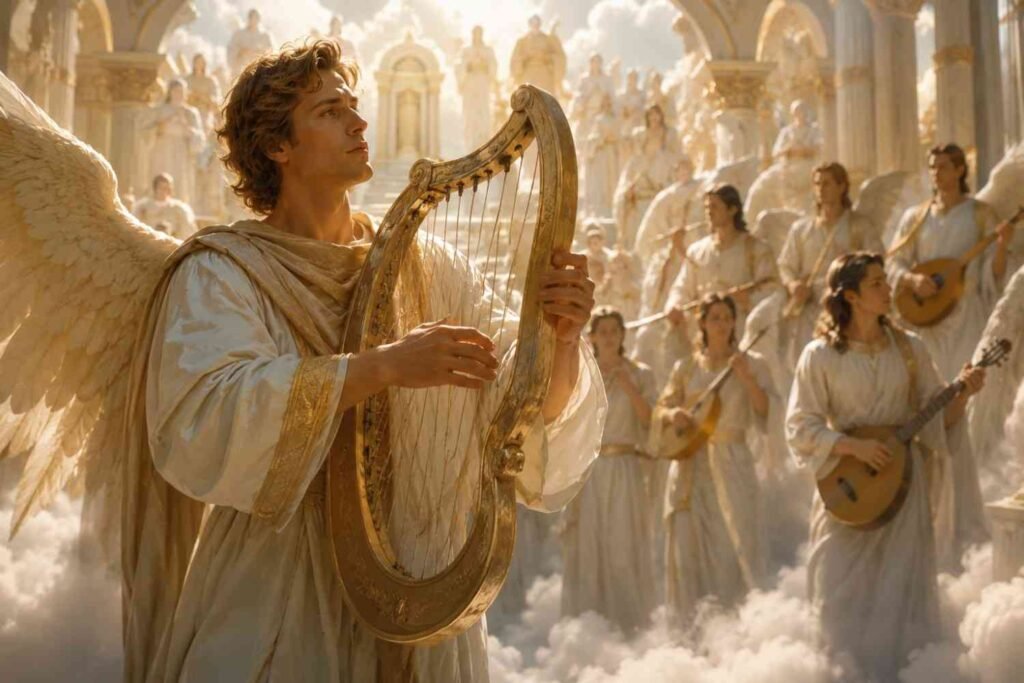
The belief didn’t become widespread because of a single Bible verse. Instead, it grew from a combination of interpretations, translations, and later Christian writings.
One reason is Ezekiel 28, where some older Bible translations mention words translated as “tabrets” and “pipes.” Over time, some readers concluded these referred to musical instruments built into Lucifer’s body, leading to the idea that he oversaw worship in heaven.
The concept became even more familiar through John Milton’s Paradise Lost. Although the poem is one of the most influential works of Christian literature, it is not a biblical account. Many ideas from the poem gradually blended into popular Christian thinking, even though Scripture never presents them that way.
Today, many pastors and biblical scholars encourage readers to distinguish between long-held traditions and what the biblical text actually says.
The Two Bible Passages Most Often Connected to the Claim
Most discussions center on two passages: Isaiah 14 and Ezekiel 28.
Isaiah 14 contains a prophecy directed at the King of Babylon. The passage uses vivid poetic language to describe the downfall of a proud ruler. The Hebrew word heylel, meaning “morning star” or “shining one,” was translated into Latin as Lucifer, which eventually became associated with Satan in Christian tradition.
Ezekiel 28 is another prophetic passage, this time addressed to the King of Tyre. The chapter describes an “anointed cherub” who was in Eden and later fell because of pride. Because the language moves beyond what seems possible for an ordinary human king, many readers believe the passage also points symbolically to Satan’s fall.
Even among theologians who accept this symbolic interpretation, the passage never identifies the figure as heaven’s worship leader.
Does Ezekiel 28 Actually Describe Musical Instruments?

This is where much of the confusion begins.
Some older English translations include references to “tabrets” and “pipes.” These words have led many readers to conclude that Lucifer possessed built-in musical instruments or was created specifically for worship.
However, many modern Bible translations render the original Hebrew differently. Instead of describing musical instruments, they interpret the passage as referring to precious stones, craftsmanship, or ornamental settings. The exact wording varies because the Hebrew text itself is difficult to translate with certainty.
As a result, many biblical scholars caution against building an entire doctrine on one disputed translation.
The broader context of Ezekiel focuses on beauty, pride, wisdom, and eventual downfall rather than musical responsibility.
What Role Do Cherubim Have in the Bible?
Another important detail often overlooked is the identity of the figure described in Ezekiel 28.
The passage refers to an “anointed cherub.” Throughout Scripture, cherubim consistently appear as guardians of God’s holiness and presence.
They guard the entrance to the Garden of Eden after Adam and Eve’s expulsion. Their images appear over the Ark of the Covenant. They also appear in prophetic visions surrounding God’s throne.
Nowhere does the Bible assign cherubim the responsibility of leading heavenly worship through music.
Other heavenly beings, such as the seraphim described in Isaiah 6, praise God continuously, while the book of Revelation mentions harps in heavenly worship. Yet no passage identifies a single “Angel of Music” or names Lucifer as heaven’s choir director.
Readers interested in biblical music itself may also enjoy exploring what does forte mean in music, which explains how musical expression developed in an entirely different context from biblical worship.
What Can We Say With Confidence?

Scripture clearly teaches that pride led to the downfall of powerful figures and that Satan opposed God. Beyond that, many details commonly repeated in popular teaching rely on interpretation rather than explicit biblical statements.
The idea that Lucifer served as heaven’s chief musician has become deeply rooted in Christian culture, but there is no verse that directly assigns him that role.
This doesn’t mean every interpretation is without value. It simply reminds readers that biblical study requires context. Historical background, literary style, translation differences, and intended audience all influence how passages should be understood.
Separating what Scripture clearly states from later tradition allows readers to approach difficult passages with greater confidence and humility.
FAQs: Was Lucifer the Angel of Music? What the Bible Really Says
1. Does the Bible call Lucifer the Angel of Music?
No. Scripture never explicitly gives Lucifer that title or says he led worship in heaven.
2. Why do people associate Lucifer with music?
The belief mainly comes from interpretations of Ezekiel 28, older Bible translations, and later Christian writings like Paradise Lost.
3. Was Ezekiel 28 written about Satan?
The passage directly addresses the King of Tyre. Some theologians also see symbolic references to Satan, while others view it as addressing only the human ruler.
4. Is there an angel responsible for music in the Bible?
No biblical passage identifies a specific angel or cherub as being in charge of music or heavenly worship.
Why Reading Scripture in Context Changes the Conversation
Some of the most widely accepted ideas in Christian culture come from a blend of biblical interpretation, church tradition, and influential literature rather than direct statements from Scripture. The belief that Lucifer was the Angel of Music is a good example. While it has become familiar to many believers, careful study shows that the Bible never clearly assigns him that role. Looking at historical context, original language, and the purpose of each passage provides a more balanced understanding than relying on isolated verses.
The strongest conclusions usually come from what Scripture plainly says, not from what tradition assumes.