Scrolling through your favorite streaming playlist often leads to a sonic universe that defies traditional radio categories. Tuning into these unique sounds leaves many listeners wondering what is indie music and how it completely redefined our modern music culture. Navigating the blurred lines of modern musical genres often brings up several common questions for curious music fans looking into what is indie music.
Key Takeaways
- Indie means financial and creative independence from major record labels.
- The genre originated from 1970s punk rock DIY culture.
- Modern streaming platforms leveled the playing field for creators.
- Sound aesthetics range from acoustic folk to bedroom pop.
- Authentic artist community building matters more than corporate marketing.
Why Do We Care About What Is Indie Music?
Unpacking the core identity of independent art helps us escape the repetitive loop of manufactured radio hits. Understanding what is indie music gives you the ultimate backstage pass to discovering raw talent. Before it gets polished over by corporate executives.
It is the best way to find genuine soundtracks for your life while supporting real artists who put their hearts above commercial profit margins.
The Two Crucial Definitions of Independent Sound
Deconstructing this musical movement requires looking at both operational budgets and creative freedom to see how the industry truly functions.
The Business Perspective of Independence
This business definition refers strictly to the corporate status of the artists. These creators operate entirely outside the control and financial backing of the big three major record conglomerates, which include Sony, Universal, and Warner. Independent musicians often choose to self-produce their work or release albums through tiny, passionate local labels while utilizing public digital platforms to distribute their own tracks globally.
The Modern Sound and Aesthetic Identity
Today, the term also refers to a incredibly broad sonic umbrella that shapes modern pop culture. Even artists who achieve massive commercial success can technically play music that falls under this classification if their tracks feature specific alternative characteristics.
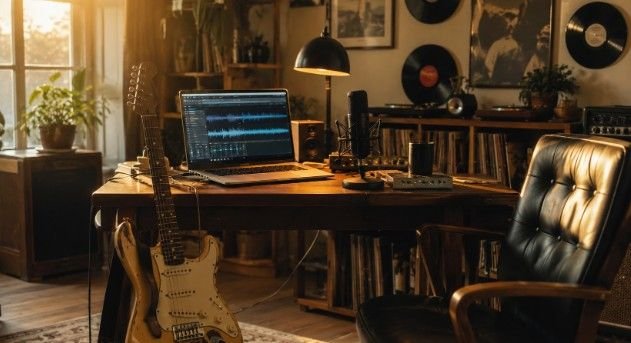
These signature traits include a heavy emphasis on raw vocals, highly unconventional song structures, or an intimate, lo-fi bedroom-produced atmosphere that feels deeply personal to the listener.
The Rebellious History of Underground Subcultures
Tracing the historical timeline of this movement reveals a rich legacy of passionate artists fighting against corporate music constraints.
The Original British Punk Explosion
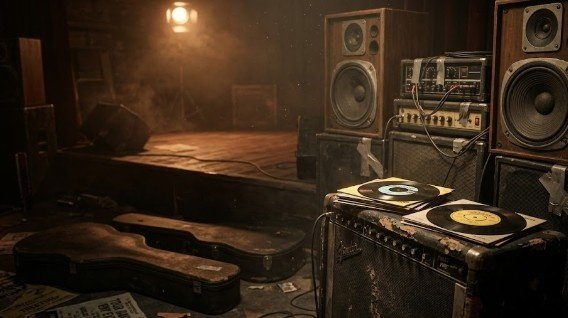
The true spark of this movement ignited during the late 1970s when underground UK bands completely rejected mainstream studio systems. Musicians wanted absolute control over their vinyl pressings and album artwork, giving birth to legendary, boundary-pushing independent record labels like Rough Trade and Factory Records.
This gritty era proved to the world that passion mattered far more than expensive studio gear.
The American College Radio Scene
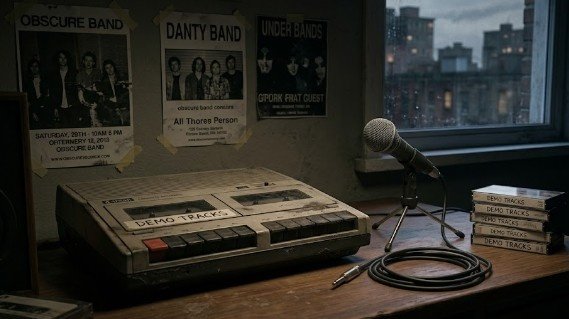
Across the Atlantic, US college radio stations quickly became the vital cultural hubs for a completely different underground revolution. Local bands traveled across the country in broken-down vans, booked their own DIY tours, and used homemade zines to share cassette tapes.
This brilliant grassroots network allowed alternative regional sounds to thrive entirely outside the traditional Hollywood entertainment machine.
Exploring the Colorful Landscape of Common Subgenres
Diving into this expansive musical universe reveals an incredibly diverse palette of sounds that accommodates every single type of listener.
From Classic Indie Rock to Modern Pop
Guitar-driven bands dominated the early eras of the underground scene, but modern digital technology eventually shifted the sonic landscape toward home setups. Current creators now produce multi-platinum hits directly from their laptops, birthing highly popular, intimate subgenres like bedroom pop and dream pop. These tracks trade massive stadium production for relatable lyrics and catchy, quirky melodies that reject major radio formulas.
Deep Acoustic Folk and Electronic Innovation
Acoustic storytelling experienced a massive global renaissance through atmospheric, rustic tracking methods that capture pure human emotion. At the exact same time, experimental electronic music producers began completely bypassing commercial dance labels to release synthesizer tracks directly to internet fanbases. This beautiful blend of genres proves that independence is an attitude toward creation rather than one specific instrument or style.
Alternative Urban Innovations
Independent rhythm and blues along with underground rap have completely reshaped how modern urban music feels. Brilliant self-starting artists take the traditional rhythmic structures of hip-hop and infuse them with alternative instrumentals or deeply personal, unfiltered lyricism. By avoiding corporate songwriting rooms, these musicians create groundbreaking tracks that speak directly to the lived experiences of their dedicated listeners.
Launching Your Indie Music Journey as a Creator
Navigating the changing music landscape as an independent creator requires a strategic blend of community building and digital distribution.

Learning how to navigate this industry means realizing you do not need a multi-million dollar corporate budget to make a massive global impact.
First, focus entirely on producing an authentic master track in your home studio using accessible digital audio workstations and quality microphones. Next, upload your completed songs to a digital distribution service to get your art onto major streaming platforms without corporate gatekeepers.
Once your tracks are live, dedicate your daily energy to building an organic community on social media by sharing your raw creative process transparently. Finally, network with independent playlist curators and music bloggers who actively search for new talent to help grow your audience naturally.
Frequently Asked Questions
1. Is Taylor Swift indie or pop?
Taylor Swift is definitively a mainstream pop artist due to her massive corporate backing, though her celebrated companion albums Folklore and Evermore heavily adopted independent sonic aesthetics, acoustic storytelling, and alternative production styles.
2. How do you know if a song is indie?
You can easily identify these songs by checking the specific record label listed in the copyright credits to see if the track was released via a self-published entity rather than a major corporate distributor.
3. What is an example of indie music?
Classic historic examples include legendary bands like Arcade Fire, Neutral Milk Hotel, and The Smiths. While successful modern examples feature highly influential self-starting independent artists like Mac DeMarco, Clairo, and Phoebe Bridgers.
4. Is Billie Eilish’ music indie?
Billie Eilish initially created her music with a distinct, minimal bedroom-pop aesthetic alongside her brother. But her songs are released through Interscope Records, officially making her a major-label pop artist with an alternative sound.
Turning the Volume Up on True Creative Freedom
Discovering what is indie music unlocks a vibrant global community. One that is rooted deeply in creative freedom, rich cultural history, and genuine human connection. Supporting this magnificent musical movement means validating independent artists who bravely choose pure art over corporate compromise.
Keep exploring underground streaming playlists, music industry lawsuits, supporting small local venues, and sharing your favorite hidden musical gems with your closest friends.