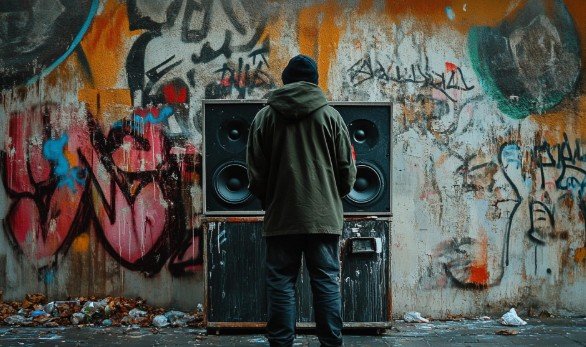
I used to think underground music simply meant songs that were not popular yet. But the more I listened, the more I realized it means something deeper. What is underground music is a question that opens the door to hidden scenes, small venues, bold artists, and sounds that do not always follow commercial rules.
It is music made outside the polished center of the industry, often driven by passion, community, and creative freedom rather than charts, radio play, or major-label approval.
Underground music is not one fixed genre. It can be rap, punk, metal, electronic, jazz, experimental pop, folk, house, or almost anything else. What makes it underground is not only how it sounds, but how it is created, shared, and supported.
Why Is It Called Underground Music?
The word “underground” suggests something happening below the surface. In music, that means scenes that exist outside mainstream attention. These artists may not appear on major playlists, award shows, commercial radio, or big festival stages, but they still build loyal audiences through local shows, online communities, independent labels, and word of mouth.
In cities like New York, Los Angeles, Atlanta, Chicago, Detroit, Austin, Portland, and Seattle, underground scenes often grow in basements, warehouses, small clubs, college spaces, and DIY venues. Fans discover new artists before the wider public catches on. That early discovery is part of the appeal.
Underground Music vs Mainstream Music
Mainstream music is usually built for wide reach. It often has professional marketing, radio support, fan funded music, playlist placement, and a sound designed to attract large audiences. Underground music usually works differently.
Underground artists often have more creative control. They may record at home, release music independently, perform in small venues, and connect directly with fans. Their songs may sound raw, unusual, emotional, political, experimental, or intentionally different from what is trending.
That does not mean mainstream music is bad or underground music is always better. The difference is mainly about visibility, business structure, audience size, and creative risk. Mainstream music aims for mass appeal. Underground music often grows from identity, experimentation, and scene culture.
Is Underground Music a Genre?

One common mistake is thinking underground music is a single genre. It is not. It is better understood as a space where different genres can exist outside commercial attention.
Underground hip hop may focus on sharp lyricism, social issues, local storytelling, or experimental beats. Underground punk may value raw energy, anti-establishment ideas, and DIY performance. Underground electronic music may live in warehouse parties, niche clubs, or independent online releases. Underground metal, jazz, folk, and experimental music all have their own cultures too.
So, when someone asks what is underground music, the best answer is this: it is music that lives outside the mainstream system while building meaning through originality, community, and independence.
Common Features of Underground Music
Underground music often has a few clear traits. First, it usually values creative freedom. Artists do not always shape their songs for radio length, commercial hooks, or viral trends. They may use unusual song structures, rough production, intense lyrics, or sounds that feel too bold for mainstream platforms.
Second, it depends heavily on community. A small group of fans can keep a scene alive by attending shows, buying merch, sharing links, posting clips, and supporting independent releases.
Third, underground music often has spiritual musicians to follow. Artists may design their own covers, book their own shows, release songs through Bandcamp or SoundCloud, promote through social platforms, and collaborate with other local creators.
Finally, underground scenes often influence the future of popular music. Many sounds that later become fashionable begin in smaller spaces first.
Examples of Underground Music Genres
Underground music can appear in many forms. Underground rap has shaped lyric-focused hip hop, cloud rap, trap variations, and internet-born subgenres. Punk and hardcore scenes continue to thrive through local shows and independent labels. Electronic underground scenes include techno, house, breakcore, ambient, experimental dance music, and warehouse-driven sounds.
Other examples include black metal, sludge, folk punk, industrial, noise music, mathcore, hyperpop, phonk, shoegaze, blackgaze, and experimental pop. Some of these genres later enter bigger platforms, but they often start with small audiences who care deeply about the sound, not just basic theory topics like crescendo mean in music.
How the Internet Changed Underground Music

In the past, underground discovery depended on zines, record stores, college radio, local flyers, tapes, small labels, and live shows. Those things still matter, but the internet changed everything.
Now an artist can build a fanbase from a bedroom studio. A song uploaded to SoundCloud, Bandcamp, YouTube, TikTok, Reddit, or Discord can reach listeners across the country without traditional industry support. This gives underground artists more power, but it also creates a new challenge.
When underground music becomes easy to find online, the line between underground and mainstream becomes blurry. A small artist can suddenly go viral. A niche genre can become a trend. A sound that once belonged to a hidden scene can appear in major playlists within months.
How to Find Underground Music Today
Finding underground music is easier when you stop depending only on major charts. Start with small venues in your city. Look for local openers, basement shows, independent festivals, college radio stations, and artist collectives.
Online, explore Bandcamp tags, SoundCloud scenes, Reddit music communities, Discord servers, independent blogs, small-label catalogs, and niche playlists. Follow artists who collaborate with the musicians you already like. Pay attention to producers, cover artists, small labels, and local promoters because they often lead you to more hidden music.
The best underground discoveries usually happen when you follow curiosity instead of popularity.
Why Underground Music Still Matters
Underground music matters because it protects risk-taking. It gives space to artists who do not fit neat commercial categories. It also gives fans a sense of belonging, especially when they feel disconnected from polished mainstream culture.
Many major movements began underground before becoming widely recognized. Hip hop, punk, house, grunge, metal subgenres, and internet rap all grew through communities before reaching larger audiences. Underground music keeps culture moving because it allows new ideas to form before the industry knows how to sell them.
Frequently Asked Questions
1. What is underground music in simple words?
It is music created, shared, or supported outside mainstream commercial attention. It usually grows through small scenes, independent artists, loyal fans, and creative freedom.
2. Is underground music the same as indie music?
Not always. Indie usually means independent from major labels, while underground describes music outside mainstream visibility. Some indie music becomes very popular, while some underground music stays niche.
3. Can underground artists become famous?
Yes. Many artists begin in small scenes and later reach a wider audience. When that happens, some fans may no longer consider them fully underground.
4. Where can I listen to underground music?
You can find it on Bandcamp, SoundCloud, YouTube, local venue pages, college radio, independent blogs, Reddit communities, Discord groups, and small-label websites.
Final Thoughts
When I think about underground music now, I do not see it as “unknown music.” I see it as music with its own heartbeat. It may not always have glossy marketing or massive numbers, but it often has honesty, risk, and a loyal community behind it. For listeners who want something fresh, personal, and less predictable, underground music is one of the best places to start.