Most independent artists fail at brand outreach because they ask for charity instead of pitching a business transaction. When I first started learning how to pitch independent music to brand sponsors and advertisers, I sent dozens of desperate emails begging companies to “support indie art” and received zero replies. Everything changed the day I stopped pitching my Spotify streams and started selling direct access to a hyper-engaged, local demographic.
Brands do not care about your artistic struggle or your 100,000 passive listeners scattered across the globe. Marketing managers care about authentic alignment, clear audience demographics, and measurable return on investment. If you can prove that 3,000 people in a specific city trust your taste, you hold a valuable commercial asset.
Stop Begging for Funding and Start Selling Audience Access
Traditional sponsorship pitches focus on what the artist needs—tour van gas, studio time, or gear upgrades. A commercial pitch flips the script and focuses entirely on what the brand gets: eyeballs, trust, and conversions.
According to research from the Interactive Advertising Bureau (IAB), brands increasingly shift ad budgets toward niche creators because micro-communities drive higher engagement than broad celebrity endorsements. You are not just a musician; you are a targeted media channel with built-in cultural credibility.
Why Micro-Audiences Beat Massive Follower Counts
A bedroom producer with 8,000 fiercely loyal fans in Bengaluru or Austin is far more attractive to a regional craft beverage brand than an artist with 200,000 bot-inflated followers. Marketing directors look at engagement rates, comment quality, and geographic concentration. When you know exactly who listens to your music and where they buy their coffee, you eliminate wasted ad spend for the sponsor.
Build Your Pitch-Ready Assets Before Reaching Out
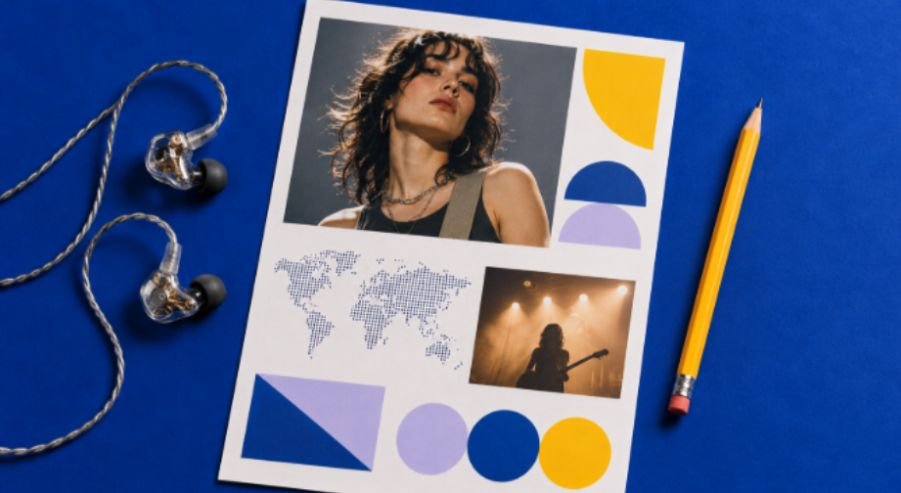
Never send an email until your digital storefront can pass a two-minute evaluation by a busy brand manager. Your goal is to remove all friction from their decision-making process.
Replace Your Music Bio With a One-Page Sponsorship Deck
Forget the traditional Electronic Press Kit (EPK) filled with poetic album reviews and childhood musical influences. Build a clean, one-page partnership deck or a private landing page that reads like a media kit.
Include your core audience age bracket, top three cities, average monthly video views, and engagement rate. If you have built a direct-to-fan list using smart email marketing funnel strategies, highlight your open rates and subscriber count—brands love owned audiences they can reach outside of social algorithms.
Prepare Sync-Ready Audio Files for Commercial Advertisers
Pitching tracks for commercials requires a completely different asset package than lifestyle sponsorships. Advertising agencies work on tight deadlines and will skip your track immediately if the legal rights are murky.
Before pitching music for commercial campaigns, independent artists should understand the distinction between owning a master recording and controlling the underlying composition, particularly when reviewing master recording ownership vs publishing rights.
Ensure you own 100% of both your master recording and publishing copyrights, and register your works properly through organizations like the U.S. Copyright Office and your local Performing Rights Organization, such as BMI. Organize a single cloud folder containing your main mix, a clean instrumental, an acapella version, and pre-edited 15-, 30-, and 60-second broadcast cutdowns.
Target the Right Music Sponsorship Decision-Makers

Cold-emailing the general info address of a Fortune 500 company is a guaranteed waste of your afternoon. Aim your outreach where your leverage is highest and decision-makers actually read their inbox.
Local Businesses vs. Niche Lifestyle Brands
Start in your own backyard before chasing national deals. Independent coffee shops, regional clothing labels, craft breweries, and local venues routinely sponsor regional tours and live acoustic sessions to capture local foot traffic.
Once you have a few local wins, look at the gear and lifestyle products already sitting in your studio or backpack. Mid-sized audio companies, independent skincare brands, and streetwear labels actively hunt for authentic creator partnerships.
If you already have experience building a profitable music merchandise brand, pitch a co-branded capsule drop where both sides split production costs and cross-promote to both audiences.
Boutique Sync Agencies and Creative Ad Houses
For commercial ad placements, skip the consumer brands entirely and pitch the gatekeepers who score their commercials. Target boutique sync licensing agencies, independent creative ad agencies, and freelance music supervisors.
| Pitching Goal | Who to Contact | What to Offer |
| Brand Sponsorship | Brand Partnerships or Influencer Marketing Manager | Custom short-form video series, stage/tour branding, product placement in a music video, or co-branded merch. |
| Commercial / Ad Sync | Music Supervisor, Creative Director, or Sync Agent | Pre-cleared, broadcast-ready tracks (with stems) tailored to the emotional tone of their current campaign. |
Write a Value-First Cold Email Pitch (With Copy-Paste Template)
Marketing managers delete long emails on sight, and heavy PDF attachments trigger corporate spam filters instantly. Sales data from HubSpot consistently shows that concise, personalized emails under 150 words generate the highest reply rates.
Keep your initial outreach punchy, link directly to your one-page deck, and ask a low-friction question to start a conversation.
Subject: Partnership idea: [Your Artist Name] x [Brand Name] — [Campaign/Tour Name]
Hi [First Name],
I’m [Your Name], an independent [Genre] artist based in [City]. My audience consists mostly of [Age/Demographic, e.g., 18–28-year-old creatives in Mumbai and Delhi] who actively engage with [shared interest, e.g., skate culture / sustainable fashion].
I’m launching a [live session series / regional tour / music video] next month and would love to integrate [Brand Name] as our presenting partner.
Quick highlights:
- Reach: [e.g., 85k average monthly views across Reels/Shorts at a 6.5% engagement rate]
- Deliverables: [e.g., 3 integrated vertical videos, stage/video branding, and link-in-bio placement]
Can I send over a 1-page deck with exact metrics and package options?
Best,
[Your Name] | [Link to Website/EPK]
Case Study: How 12,000 Monthly Listeners Landed a $1,800 Tour Deal
Last year, I helped an indie-folk duo with just 12,000 monthly Spotify listeners secure a $1,800 (roughly ₹1.5 Lakh) sponsorship for a five-city regional tour. Instead of pitching music companies, we approached an independent cold-brew coffee brand looking to expand into those exact five cities.
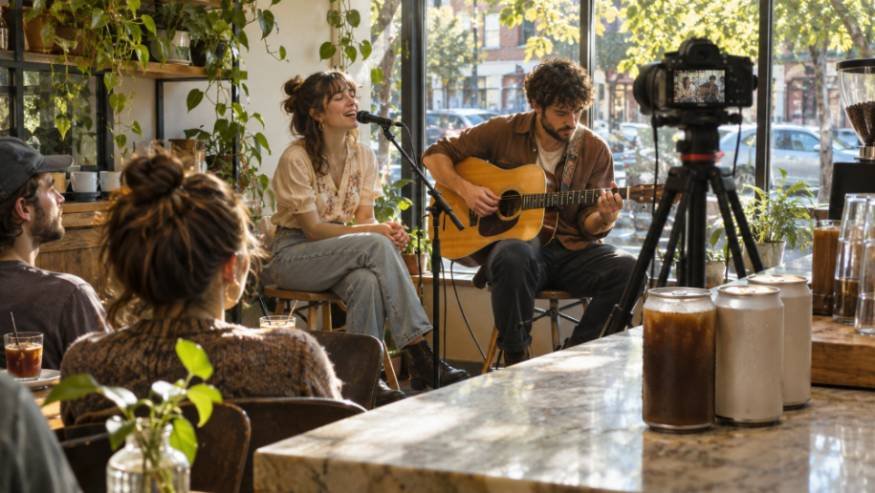
We noticed that 68% of the duo’s Instagram followers lived in those target markets and regularly engaged with local cafe content. We pitched a “Morning Acoustic Sessions” video series filmed inside local coffee shops stocking the brand’s cans, paired with free product sampling at each evening show. The brand paid $1,800 cash plus 15 cases of product because the deliverables solved their exact regional distribution problem.
Follow Up, Execute, and Prove Your Campaign ROI
Warm up your target brand a week before hitting send by commenting thoughtfully on their posts or sending a quick Instagram DM asking for the right partnership email address. If your cold email goes unanswered after five business days, send one polite, two-sentence bump to bring the thread back to the top of their inbox.
Once you land the deal and deliver the content, your most important work begins after the campaign ends. Send a clean, one-page wrap-up report detailing total video views, link clicks, promo code redemptions, and screenshots of positive fan comments. Proving your financial value turns a one-off payout into a recurring annual retainer.
Stop Leaving Tour Money on the Table
You do not need a major label backing you to sign commercial deals—you just need to package your existing audience like a real media business. Audit your social insights today, pick three brands already sitting on your desk, and send your first 150-word pitch before Friday.
Frequently Asked Questions
1. How many followers do I need to get a brand sponsorship as an independent musician?
You can land local and niche brand deals with as few as 2,000 to 5,000 engaged followers if your audience demographics align tightly with the brand’s target customer.
2. Should I attach my press kit PDF to my initial cold email?
No, avoid attaching large files to cold emails because they trigger corporate spam filters; always use a clean hyperlink to a one-page deck or private webpage instead.
3. Do I need to own my master rights to pitch music for commercials?
Yes, ad agencies and music supervisors almost exclusively license tracks where the artist controls 100% of both the master recording and publishing rights for fast clearance.
4. How much should an independent artist charge for a brand sponsorship?
Price your package based on your deliverable production costs plus a baseline CPM (cost per thousand views) of $20 to $50 based on your average monthly video views.