
Burning $1,000 on social ads only to watch your new album stall at 400 streams hurts. After running dozens of independent release campaigns, I stopped guessing and built a repeatable system around cost effective social media ad strategies for new album launches. By allocating 80% of my budget to Meta conversion ads and pre-testing every clip organically, I consistently drive real streams for $0.02 to $0.05 each.
Why I Put 80% of My Album Budget Into Meta Reels
Most independent artists waste money by spreading a small budget across five platforms at once. When you only have a few hundred dollars, focus wins. I put 80% of my ad spend into Instagram Reels and Stories because Meta’s algorithm finds active music fans faster and cheaper than any other network.
Unlike Spotify Ads Studio—which demands a $250 minimum spend and averages $0.10 to $0.20 per stream—Meta lets you start at $5 per day. The remaining 20% of my budget stays reserved for release-week retargeting or amplifying viral audio clips.
Before committing to a promotional budget, independent artists should also understand how different record agreements affect their marketing responsibilities, revenue shares, and creative control, including the pros and cons of 360 record deals vs distribution deals.
The Worked $300 Single Rollout Case Study
During a recent indie-pop single rollout, I tested a $300 Meta campaign over 21 days against a $250 Spotify Ads Studio test. My Meta campaign generated 8,400 landing page clicks at $0.035 per conversion, resulting in 11,200 Spotify streams and 2,150 library saves. That 19.2% save-to-listener ratio pushed the track onto Release Radar the following Friday. Meanwhile, the $250 Spotify ad run yielded just 1,380 streams at $0.18 per stream with zero algorithmic lift.
Pre-Test Short-Form Video Hooks Organically Before Spending a Dime
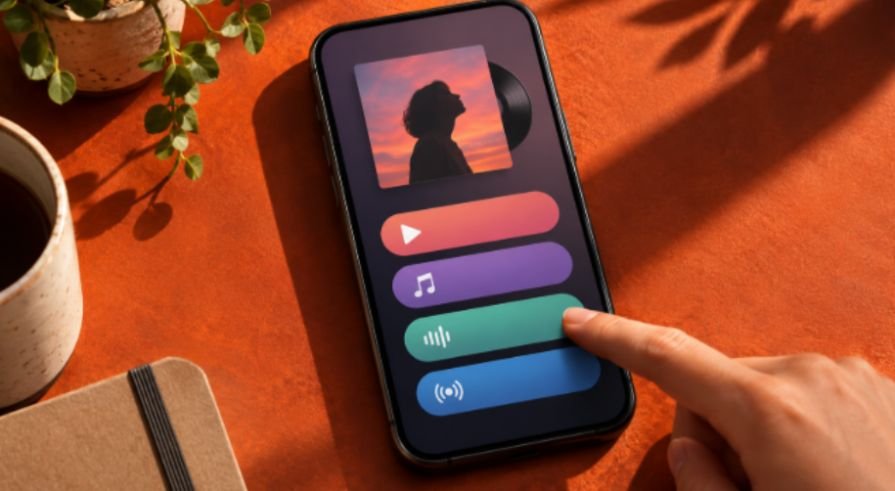
Never pay to promote an unproven video clip. Before opening my ad manager, I post 10 to 15 vertical videos (9:16) across TikTok, Instagram Reels, and YouTube Shorts using different 15-second sections of my focus track.
I rotate through four distinct creative angles to see what stops the scroll:
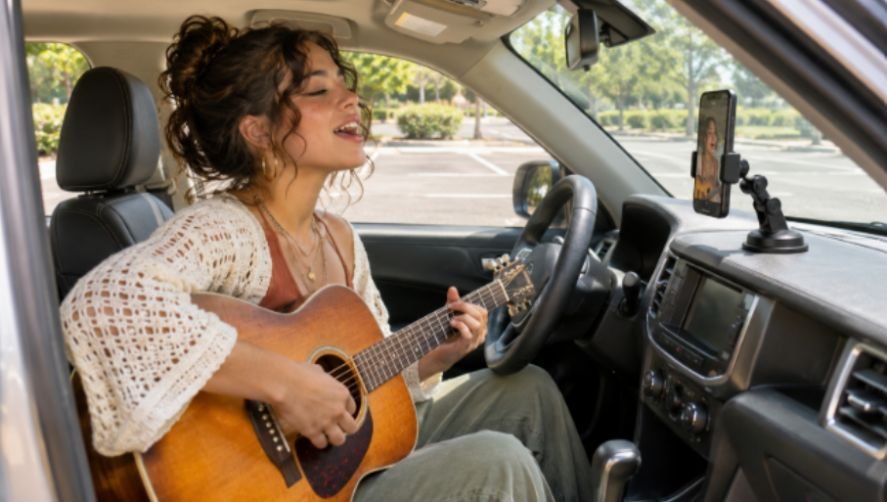
- A raw, unpolished car-singing POV video.
- A tight, close-up live studio performance clip.
- A clean lyric breakdown over moody B-roll footage.
- An aesthetic visual loop highlighting the song’s emotional peak.
Using Instagram Trial Reels for Unbiased Data
Existing followers often like your posts out of loyalty, which skews your testing data. To fix this, I publish test clips using Trial Reels inside the Instagram Creators toolkit. This feature serves your video exclusively to non-followers first. I watch three-second hold rates and average watch time closely, then move only the top two organic winners into paid campaigns.
How to Set Up High-Converting Meta Ad Campaigns for Spotify Streams
Once you have two proven video hooks, build your campaign inside Meta Business Help Center Ads Manager rather than tapping the “Boost Post” button. Boosting optimizes for cheap profile visits and vanity likes from bots or passive scrollers.
Ditch the Boost Button for Pixel-Tracked Smart Links
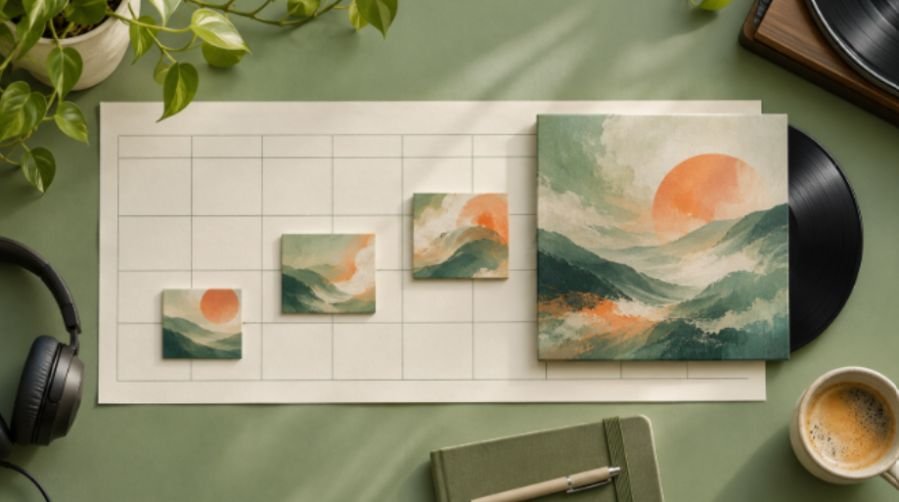
Sending cold social traffic straight to a Spotify URL wastes money because accidental clicks look identical to real listeners. Instead, I route every ad through a smart landing page using Hypeddit or Feature.fm with a Meta Pixel installed. When a user clicks “Play on Spotify” on that landing page, the Pixel fires a conversion event. Over 48 hours, Meta learns the exact profile of users who actually open streaming apps and play music.
Lean Ad Set Budget Optimization (ABO) Testing
I structure campaigns using the “Engagement” objective optimized for smart-link conversions, paired with Ad Set Budget Optimization (ABO). Setting strict $5 to $10 daily caps per ad set prevents Meta from dumping your entire budget into one untested audience.
I launch one broad targeting ad set (ages 18–44, Tier-1 streaming markets, no interest filters) alongside two niche ad sets targeting fans of mid-sized comparable artists. After 48 hours, I cut any ad costing more than $0.35 per landing page conversion and shift that cash into the winning ad set.
Music Ad Platform Cost Breakdown: Meta vs. TikTok vs. Spotify
Choosing where to spend limited marketing funds requires knowing each platform’s minimum barrier and real return. Below is the exact performance benchmark I use when planning album rollouts, including when to leverage Spark Ads via the TikTok Business Help Center.
| Ad Platform | Practical Min. Spend | Avg. Cost Per Action | Best Role in an Album Launch |
| Meta (IG & FB Reels) | $5 – $20 / day | $0.02 – $0.05 per stream | Primary engine for Spotify saves, smart-link clicks, and algorithmic triggers. |
| TikTok Spark Ads | $20 / day per ad set | $0.30 – $1.00 per click | Amplifying an already-trending organic post to spark user-generated audio reuse. |
| Spotify Ads Studio | $250 campaign minimum | $0.10 – $0.20 per stream | Retargeting warm listeners during album release week if extra budget exists. |
Waterfall Rollout Timing to Trigger Spotify’s Algorithm
Dropping a 10-track album cold to strangers rarely converts because cold audiences hesitate to commit 35 minutes to an unknown artist. Instead, I use a waterfall release schedule—dropping three lead singles spaced four to six weeks apart before the full record lands.
Each single runs on a lean $10/day Meta ad budget for two weeks. Rather than obsessing over Meta’s click-through rate, I monitor the “Save Rate” inside Spotify for Artists.
Hitting a 10% to 25% save-to-listener ratio signals Spotify’s recommendation engine to push your tracks into Release Radar and Discover Weekly. Those warm listeners also build leverage when you pitch independent music to brand partners for sync licensing or sponsorships.
Retargeting Warm Listeners on Release Day
By the time your full album arrives, your Meta Pixel holds a goldmine of warm data. Seven days before release, I build a Custom Audience of everyone who watched at least 50% of my single video ads or visited my smart links.
On album release day, I serve this warm group a $5/day retargeting ad featuring a direct “Listen to the Full Album” call to action. Because these listeners already know your sound, conversion costs drop by half. You can even capture their contact info on your landing page and nurture them long-term using proven email marketing funnel strategies to sell vinyl and tour tickets without paying Meta again.
Stop Burning Cash on Vanity Likes—Start Buying Real Fans
Treat your ad budget like an investment portfolio rather than a slot machine. Film 10 raw vertical clips of your lead single this week, post them as Trial Reels, and let real viewer retention choose your ad creative. Once you pair a proven hook with a Pixel-tracked smart link, every $5 bill turns into measurable fans who actually save your record.
Frequently Asked Questions
1. How much should I spend per day on Instagram ads for a new album?
Start with $5 to $10 per day per ad set using Ad Set Budget Optimization so you can test audiences safely without overspending.
2. Why should I use a smart link instead of linking directly to Spotify?
A Pixel-tracked smart link filters out accidental clicks and trains Meta’s algorithm to target users who actually click through to play your song.
3. What is a good Spotify save rate from social media ads?
A healthy Meta ad campaign generates a 10% to 25% save-to-listener ratio inside Spotify for Artists, which helps trigger algorithmic playlists.
4. Should I advertise my full album or individual singles first?
Always advertise two or three lead singles spaced four to six weeks apart first, then retarget warm viewers when the full album drops.