If a melody sounds like one clean ribbon of sound, you are probably hearing legato. The fastest answer to what does legato mean in music is this: notes should connect smoothly, with no obvious gap between them.
I first understood legato while comparing two simple piano phrases. One sounded polite but broken. The other felt like a singer holding one long breath. Same notes, same rhythm, totally different emotion. That is the power of legato. It does not change what notes you play. It changes how those notes touch each other.
What Does Legato Mean in Music?
Legato is an Italian musical term that means “tied together” or “bound.” In performance, it tells a musician to play or sing notes in a smooth, connected way.
When a composer writes legato, they are asking for flow. The notes should not feel chopped, poked, or separated. Each tone should move into the next with control.
That makes legato an articulation mark. Articulation tells musicians how to shape notes. It affects the attack, release, length, and emotional feel of a phrase. So, when someone asks what does legato mean in music, the answer is not only “smooth.” It means smooth with intention.
Why Legato Changes the Feeling of a Song
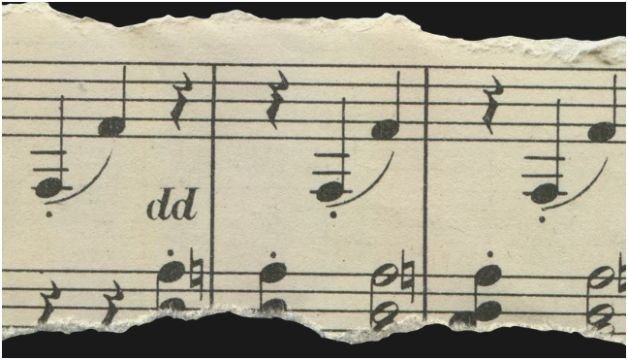
Legato can make music sound emotional, elegant, romantic, peaceful, or lyrical. It often works well in slow melodies because it lets the listener follow a musical line without interruption.
Think about a movie scene where the music swells under a quiet goodbye. A jagged, detached melody would feel too sharp. A legato melody can feel tender because it moves like speech softened by emotion.
In pop, R&B, classical, jazz, film scores, worship music, and ballads, legato helps phrases breathe. Even electronic and dance music can use legato-style synth lines. If readers enjoy beginner-friendly music explainers, they may also want to read is house music edm for a simple breakdown of another music term.
Legato vs Staccato
Legato and staccato are opposites.
Legato means connected. Staccato means short and detached.
If you played four notes legato, they would feel joined. If you played those same four notes staccato, each note would sound clipped and separate.
Here is a simple way to hear it. Say “la-la-la-la” in one flowing breath. That feels like legato. Now say each “la” short and sharply separated. That feels like staccato.
Neither is better. They do different jobs. Legato creates flow. Staccato creates bounce, bite, or rhythm.
Legato vs Tie and Slur
Beginners often mix up legato, ties, and slurs because all three involve connection.
A tie connects two notes of the same pitch. It tells you to hold the note for the combined time value.
A slur is a curved line over or under notes. It usually tells the performer to play those notes smoothly, often in a legato style.
Legato is the musical effect. A slur is one common symbol that can ask for that effect.
That difference matters. A tie changes duration. A slur changes phrasing. Legato changes the sound quality between notes.
How Legato Looks in Sheet Music
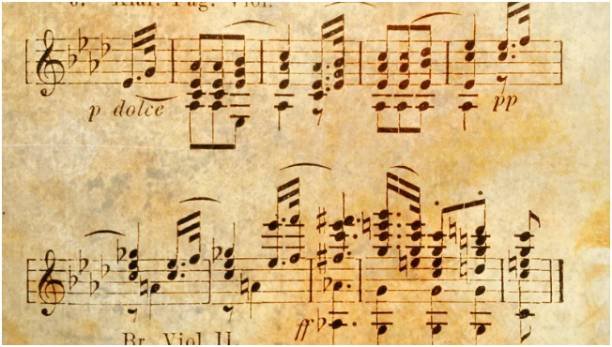
In sheet music, legato usually appears in two ways. Sometimes the word “legato” is written above or below the staff. More often, a curved slur line appears over or under a group of notes.
That curved line is not decoration. It tells the performer that the phrase should feel connected.
A slur over different pitches often suggests legato playing. A curved line between identical pitches is usually a tie. That small detail saves beginners from one of the most common reading mistakes.
When reading music, I look at the note pitches first. If the curved line connects the same note, I treat it as a tie. If it connects different notes, I check whether it is asking for smooth phrasing.
How Musicians Play Legato on Different Instruments
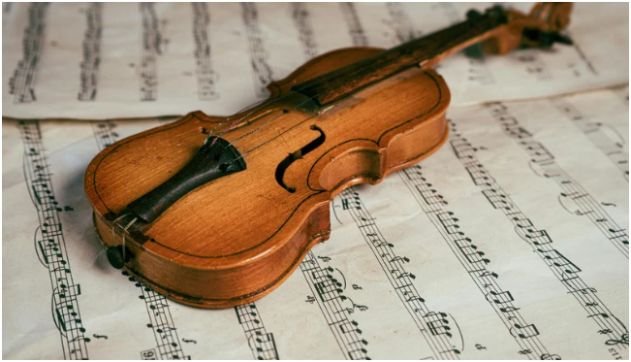
Legato means the same musical idea across instruments, but each instrument creates it differently. That is why a pianist, guitarist, violinist, and singer may all talk about legato in different technical language.
Piano Legato
On piano, legato depends on careful finger timing. A pianist holds one key until the next key begins. The sound should feel passed from finger to finger.
The sustain pedal can help, but it cannot replace clean technique. Too much pedal can blur the phrase. Good piano legato sounds connected, not cloudy.
A useful beginner drill is to play C-D-E-F-G slowly. Hold each note until the next one starts. Avoid lifting too early. If silence appears between notes, the legato line breaks.
Guitar Legato
On guitar, legato often uses hammer-ons, pull-offs, and slides. These techniques let the fretting hand create notes without picking every single one.
That gives guitar lines a fluid sound. Rock, metal, blues, jazz, and fusion players often use legato to make fast passages smoother.
Still, legato guitar should not sound lazy. Every note needs strength and clarity. Smooth does not mean weak.
String Instrument Legato
Violin, viola, cello, and bass players often create legato with one continuous bow stroke. The bow carries several notes in one smooth motion.
The challenge is control. Bow pressure, speed, and direction all matter. A rushed bow change can break the illusion of one flowing phrase.
Great string legato can sound close to the human voice. That is one reason it works so well in emotional orchestral music.
Vocal Legato
For singers, legato depends on breath support and vowel flow. The voice should move from note to note without hard breaks.
Consonants still matter, but they should not chop the phrase apart. The vowel carries the musical line.
When I practice vocal legato, I sing a phrase first on one vowel, like “ah.” Then I add the words while trying to keep the same smooth line. This helps stop consonants from stealing the flow.
My No-Air-Gap Test for Understanding Legato
My favorite way to explain legato is the no-air-gap test.
Play or sing a short five-note phrase. Then ask one question: can I hear air between the notes?
If yes, the phrase is not fully legato yet. If the notes seem to pass into each other without empty space, the legato is working.
Try this with the notes C-D-E-D-C. First, play them with tiny pauses. Then play them as smoothly as possible. The second version should sound more like one sentence than five separate words.
This test works because legato is not only a theory term. It is something your ear can judge almost instantly.
Common Mistakes Beginners Make With Legato
The first mistake is confusing legato with playing slowly. Slow music can still sound disconnected. Fast music can still sound smooth. Legato is about connection, not tempo.
The second mistake is using too much pedal on piano. Pedal can help blend notes, but it can also hide uneven finger work.
The third mistake is ignoring note endings. Many players focus only on starting notes. Legato depends just as much on how each note releases.
The fourth mistake is making every phrase legato. Music needs contrast. If everything sounds smooth, nothing feels special. A strong performance uses legato, staccato, accents, and silence with purpose.
FAQs About Legato in Music
1. What does legato mean in music for beginners?
It means notes should be played or sung smoothly, with no obvious gaps between them.
2. What is the symbol for legato?
Legato is often shown with a curved slur line over or under a group of notes.
3. Is legato the same as a slur?
No. A slur is a notation mark, while legato is the smooth sound or playing style it often indicates.
4. What is the opposite of legato?
The opposite of legato is staccato, which means short, crisp, and detached.
Final Note: Smooth Is the Whole Mood
So, what does legato mean in music when you move beyond the textbook answer? It means connection. It means one note hands the feeling to the next without dropping it.
I like to think of legato as the difference between reading words one by one and speaking a full sentence with emotion. The notes may stay the same, but the message changes.
Next time you hear a melody that feels soft, flowing, and almost vocal, listen for the spaces between notes. If those spaces nearly disappear, legato is doing its quiet little magic.