A fan does not need a backstage pass to feel close to a musician. Sometimes, all it takes is one lyric that sounds like a private confession, one album that helps someone survive a hard year, or one livestream that makes a superstar feel almost reachable.
That is the emotional force behind parasocial relationships in music fandom, and it explains why modern fans in the US can feel deeply connected to artists they may never meet.
The idea is not new. Researchers Donald Horton and Richard Wohl introduced para-social interaction in 1956 to explain intimacy at a distance. What changed is the setting. Music fans moved from radio, TV, and magazine access to TikTok, Instagram Live, Weverse, Discord, livestreams, tour documentaries, and fan spaces that never really close.
What Are Parasocial Relationships With Musicians?
A parasocial relationship with a musician is a one-sided emotional bond where a fan invests time, affection, loyalty, and energy into an artist who may never know them as an individual. The fan may connect with the artist’s voice, lyrics, personality, pain, humor, values, or public image.
This does not make every fan obsessive. Most fans understand that admiration is not friendship. Still, music creates special closeness because listeners repeat songs during private moments, often shaping the goals and effects of music listening in their own lives. A musician’s voice can become part of grief, healing, confidence, motivation, or daily routine.
Why Do Fans Feel Connected to Artists So Deeply?
The main reason why fans feel connected to artists is lyrical vulnerability. Musicians write about heartbreak, trauma, fame, loneliness, family, anxiety, identity, and survival in a way that feels like a diary. Fans may hear those confessions and feel as if they understand the artist’s inner world.
American music fandom culture also rewards storytelling. Taylor Swift fandom is a clear example. Her albums, videos, outfits, interviews, and lyric clues have created a powerful Easter egg culture where fans decode details together and feel emotionally involved in the artist’s creative universe.
How Social Media Changed the Artist Fan Relationship
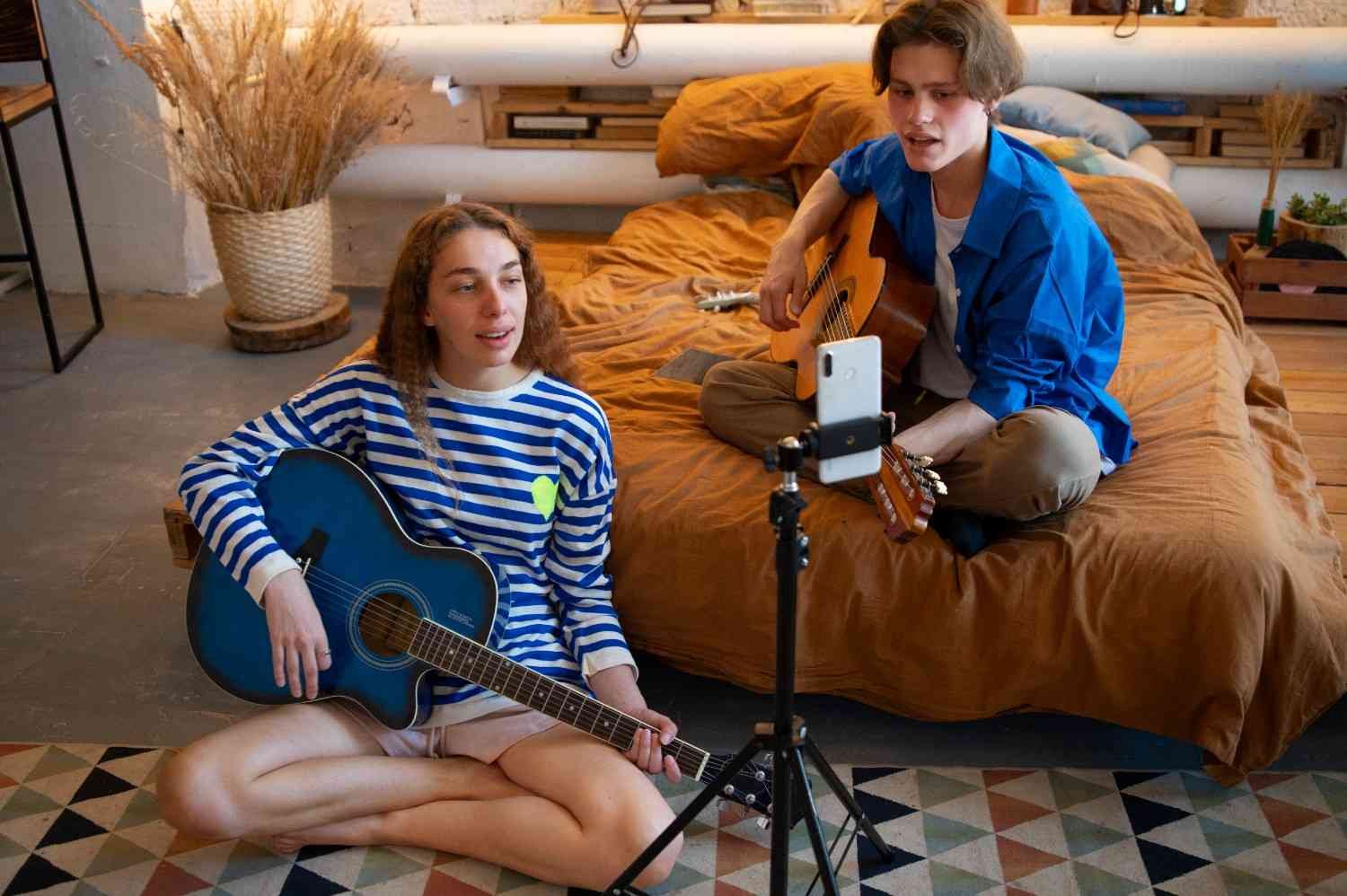
The modern artist fan relationship is built through direct-to-fan platforms. TikTok, Instagram Live, Discord, YouTube, Patreon, Twitch, and Weverse flatten the old celebrity hierarchy. When an artist livestreams from a bedroom, jokes with commenters, or posts a backstage update, the moment can feel personal even when thousands of fans are watching.
The music business also monetizes closeness. In parts of K-pop, fans may encounter dating bans, paid messaging apps, exclusive fan chats, fan-sign events, and content that simulates personal attention. This is why K-pop parasocial relationships are discussed as both emotionally meaningful and commercially engineered.
What Are the Benefits of Music Fandom?
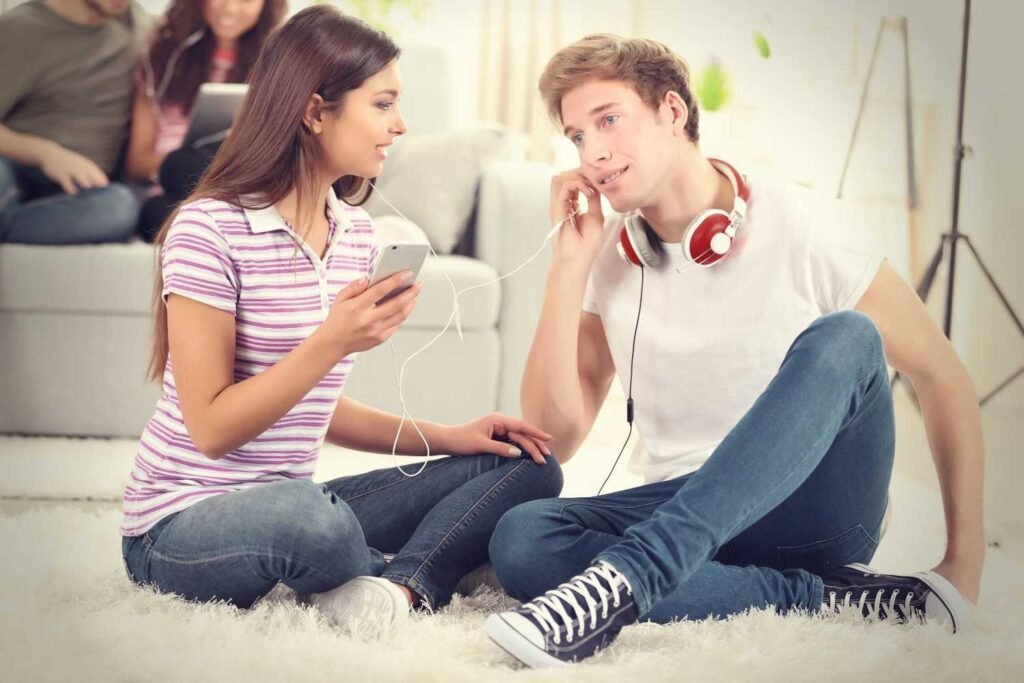
Parasocial bonds can offer comfort, identity, and belonging. I do not think fans should be shamed for loving music deeply. For young fans, isolated listeners, or marginalized communities, identifying with a musician can help them explore values, confidence, style, gender expression, culture, or personal dreams in a safer way.
Fandom can also reduce loneliness. A favorite artist may offer steady companionship during stressful seasons. Fan communities can become real support systems too. Fans manage accounts, share playlists, attend concerts, create fan art, organize charity campaigns, and build lifelong friendships. That is why music fandom is so powerful: it turns private emotion into shared connection, especially in the age of AI artists and music culture.
When Does Music Fandom Become Toxic?
Music fandom becomes unhealthy when admiration turns into ownership. Some fans believe they deserve control over an artist’s dating life, politics, sound, image, schedule, or private choices. When the artist breaks the idealized version fans created, the reaction can become intense and unfair.
This is where toxic fandom and stan culture can become dangerous. Highly attached fans may feel responsible for protecting an artist’s success. They stream songs repeatedly, buy multiple album variants, attack critics, harass ex-partners, fight rival fandoms, and cyberbully anyone seen as a threat.
Support becomes weaponized fan labor when fans feel required to defend a celebrity at all costs.
Why Do Artist Boundaries Matter?
Artist boundaries matter because public familiarity is not personal access. Fans may know an artist’s lyrics, interviews, tour dates, outfits, online personality, and the deep link between music and emotion, but they do not own the artist’s body, time, privacy, or emotional availability.
Chappell Roan fan boundaries became a major conversation because she pushed back against stalking, harassment, unwanted touching, and the assumption that fame requires constant availability. Her response exposed a larger issue in modern parasocial relationships with celebrities: some fans confuse emotional closeness with real-life permission.
Physical safety violations are not just online drama. Musicians can face tracking, invasive photos, doxxing, threats, and obsessive behavior from people who believe the bond is mutual. Healthy music fandom must include respect, distance, and consent.
How Can Fans Keep Music Fandom Healthy?
The healthiest fans love the art without demanding ownership of the artist. They enjoy concerts, lyrics, merch, theories, fan spaces, and online communities while remembering that the person behind the music still deserves privacy.
I also believe fans can protect themselves by building real peer relationships inside fandom. The artist fan relationship may be one-sided, but fan-to-fan friendships can be real, supportive, and lasting. The music starts the connection, but the community gives it life.
Frequently Asked Questions (FAQs)
1. What is a parasocial relationship with a musician?
It is a one-sided emotional bond where a fan feels close to an artist who does not personally know them.
2. Why are parasocial relationships common in music fandom?
They are common because music connects to private emotions, memories, identity, loneliness, healing, and major life stages.
3. Are parasocial relationships with artists always unhealthy?
No. They can offer comfort, motivation, identity, and community when fans keep perspective and respect boundaries.
4. How does K-pop encourage parasocial relationships?
K-pop can encourage these bonds through fan apps, livestreams, exclusive messages, fan-sign events, idol availability, and marketing that makes fans feel personally connected.
Conclusion
When I look at parasocial relationships in music fandom, I see both comfort and risk. Music can help people feel seen, understood, brave, and less alone. It can shape identity, create global belonging, highlight the importance of physical music, and turn a concert, vinyl record, CD, or piece of merch into a memory that lasts for years.
But healthy fandom needs boundaries. Artists can matter deeply without becoming personal friends, therapists, or emotional property. Fans can love the songs, support the career, and celebrate the community while remembering that the musician is a real person with a private life.