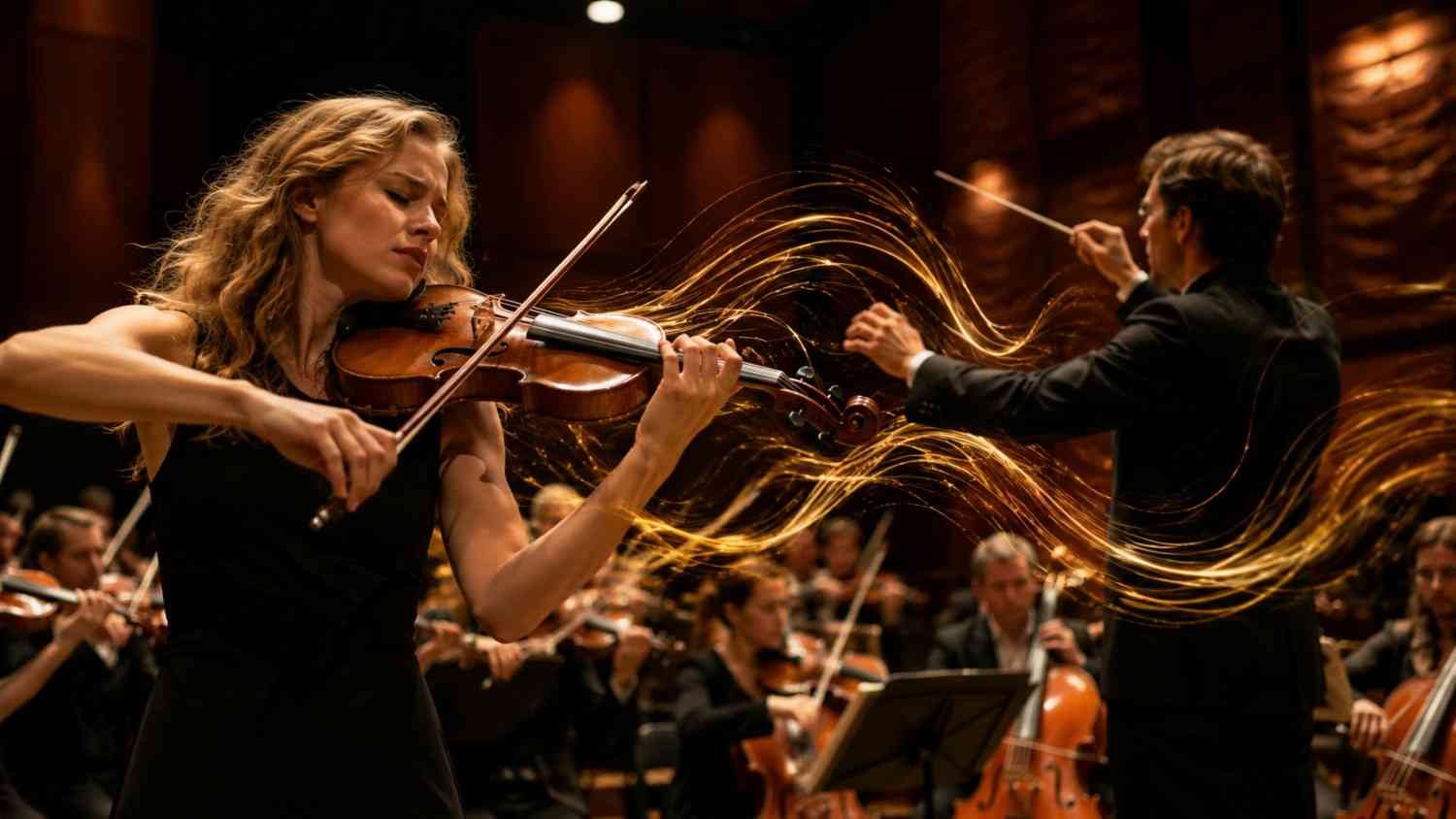
If you’ve ever looked at a piece of sheet music, you’ve probably noticed a small italic f written beneath a measure. It might seem like a minor symbol, but it can completely change the way a piece sounds. Music isn’t just about playing the right notes. It’s about communicating emotion, building tension, and knowing when a melody should whisper or command attention.
That’s where dynamics come in. Among the first dynamic markings every musician learns is forte, a term that appears in everything from beginner piano books to orchestral scores and film soundtracks. Understanding what it means and how composers use it can help you become a more expressive performer, whether you’re learning an instrument, singing in a choir, or simply trying to read sheet music with more confidence.
Forte Means More Than Simply Playing Loud
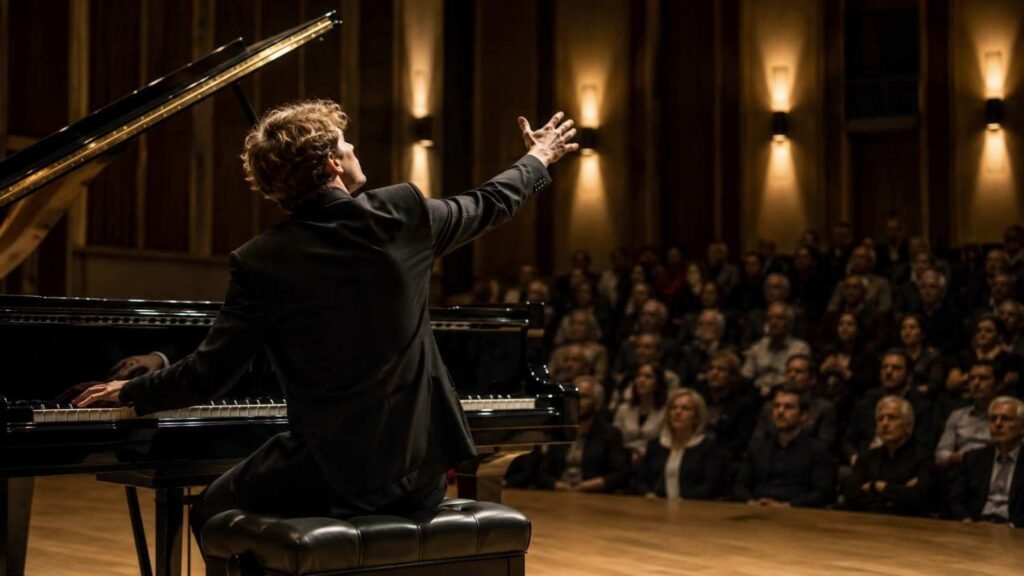
So, what does forte mean in music?
Forte is an Italian musical term that means to play loudly or with strength. It is represented by a lowercase italic f in sheet music and tells performers to increase their volume while maintaining musical control. The word itself comes from Italian, where forte means “strong.”
One of the biggest misconceptions is that forte means playing as loudly as possible. In reality, it’s a relative dynamic. A forte passage on an acoustic guitar sounds very different from a forte played by a full symphony orchestra or a brass ensemble. The instruction isn’t about reaching maximum volume; it’s about creating the appropriate level of intensity for that particular musical setting.
Good musicians understand that forte is just as much about tone quality as it is about loudness. Even during powerful passages, the sound should remain balanced, clear, and expressive rather than harsh or uncontrolled.
Why Composers Use Forte Instead of Just Writing “Play Loud”
Music tells stories without using words, and dynamics help shape those stories.
When composers add a forte marking, they aren’t simply asking performers to raise the volume. They’re directing attention to an important musical idea. A melody might reach its emotional peak, an orchestra may introduce a dramatic theme, or a choir could emphasize a powerful lyric. Forte helps listeners recognize these moments naturally.
Dynamic contrast also keeps music engaging. Imagine listening to a song where every measure stays at exactly the same volume. Even beautiful melodies would begin to feel flat because there is no sense of movement or anticipation.
By alternating between softer dynamics like piano (p) and stronger dynamics like forte (f), composers create tension, release, excitement, and emotional depth. This is one reason music across classical, jazz, film scoring, and contemporary genres continues to rely heavily on dynamic markings.
If you’re learning how to compose music, studying dynamics is just as important as learning harmony or rhythm. Well-placed dynamic changes often make a composition feel alive because they guide performers toward the emotional direction the composer intended.
Forte Works Alongside Other Dynamic Markings
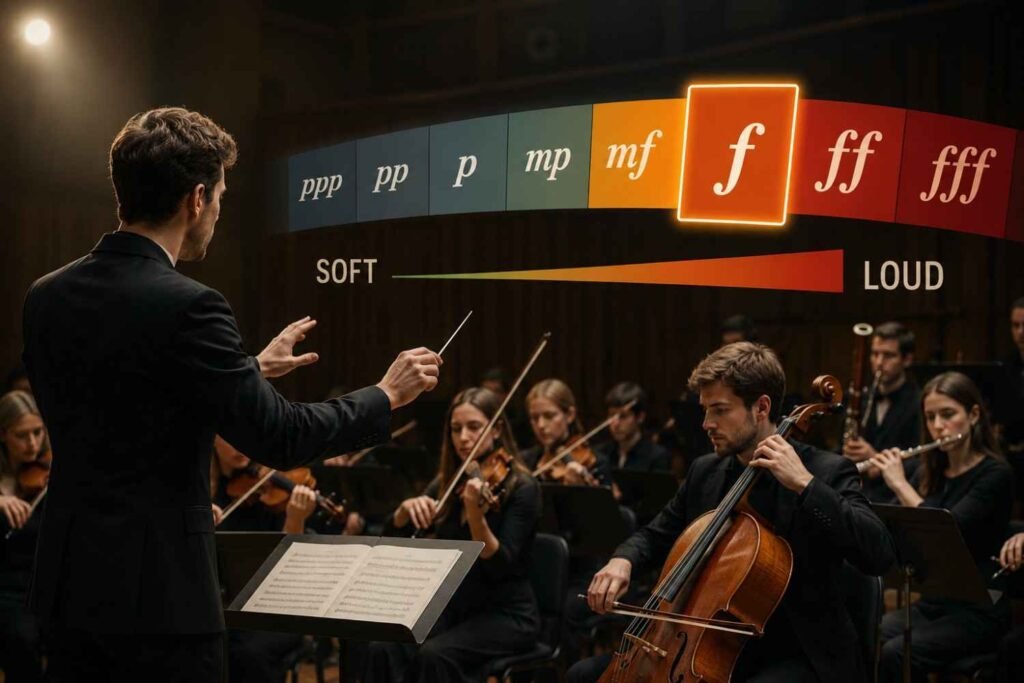
Forte is only one part of a broader system of musical dynamics.
You’ll often see it paired with markings such as mezzo forte (mf), which indicates a moderately loud volume, or fortissimo (ff), meaning very loud. On the opposite end is piano (p), which tells performers to play softly, while mezzo piano (mp) suggests a moderately soft dynamic.
These markings are not fixed volume levels. Instead, they create relationships between different sections of a piece. A gradual crescendo may build toward a forte passage, while a decrescendo allows the music to settle into a quieter mood afterward.
Understanding these relationships helps performers interpret music naturally rather than treating each symbol as an isolated instruction.
Common Mistakes Beginners Make With Forte
Many beginners see a forte marking and immediately respond by playing harder. While that seems logical, it often leads to a tense performance and poor sound quality.
One common mistake is confusing volume with force. Pressing piano keys harder than necessary or blowing excessively into a wind instrument rarely produces a richer sound. Instead, it can reduce tone quality and make the performance feel rushed or aggressive.
Another mistake is ignoring the musical context. A forte marking in a solo violin piece carries a different character than one in a full orchestra. The performer should always consider the surrounding dynamics, instrumentation, and phrasing before deciding how much intensity to add.
Balance is equally important in ensemble settings. A choir, concert band, or orchestra should sound unified, not like individual musicians competing to be the loudest. Playing forte means contributing to the collective sound while allowing every section to remain audible.
How to Practice Forte Without Losing Control?
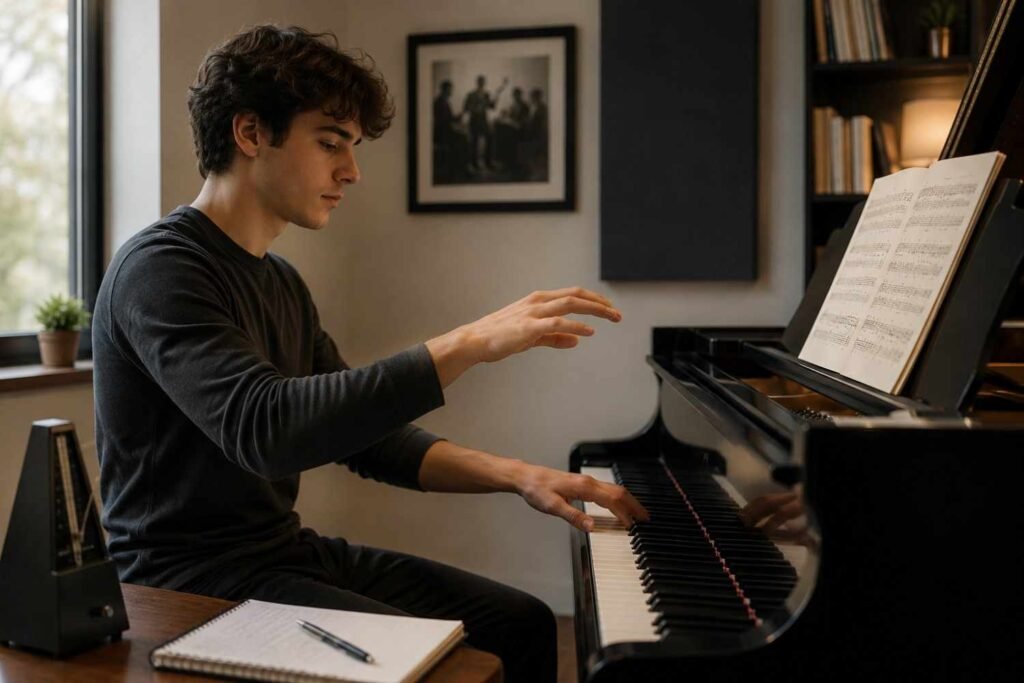
Developing dynamic control takes patience, but it pays off in every style of music.
Start by practicing familiar pieces at different dynamic levels. Play one phrase softly, then repeat it at mezzo forte before finishing at forte. This exercise teaches your ears and hands how volume changes without sacrificing rhythm, articulation, or tone.
Recording yourself is another effective technique. What feels loud while you’re performing may sound balanced when you listen back. Over time, you’ll learn how much volume is actually needed instead of relying on guesswork.
Listening to skilled performers can also improve your understanding of dynamics. Whether it’s a concert pianist, jazz ensemble, or film orchestra, notice how they create powerful moments without making the music sound forced. Their strongest passages still feel controlled, expressive, and musical.
Ultimately, forte is about intention. The goal isn’t simply to play louder, it’s to communicate more.
Why Forte Still Matters in Modern Music
Although the term originated in classical music, forte remains relevant across today’s musical landscape. You’ll hear dynamic changes in movie scores, pop ballads, worship music, jazz improvisations, rock performances, and even video game soundtracks.
Modern producers and performers use dynamics to shape emotional impact just as composers have done for centuries. A chorus often feels bigger because it introduces a stronger dynamic level, while a quiet verse builds anticipation before the music expands again.
Technology may have changed how music is recorded and produced, but expressive performance still depends on dynamic contrast. Forte continues to remind musicians that emotion comes from thoughtful interpretation, not simply increasing the volume.
FAQs: What Does Forte Mean in Music and How Does It Change a Performance?
1. What does the symbol “f” mean in sheet music?
The symbol f stands for forte, instructing musicians to play loudly while maintaining control, balance, and musical expression.
2. Is forte the loudest dynamic in music?
No. Forte is loud, but markings such as fortissimo (ff) and fortississimo (fff) indicate even greater intensity when appropriate.
3. Does forte mean every instrument plays at the same volume?
No. Forte is relative. Each instrument produces sound differently, so performers adjust their volume according to the instrument and ensemble.
4. Why do composers use forte instead of simply writing “loud”?
Forte is part of a universal system of musical notation that communicates expressive intent clearly across different instruments, styles, and languages.
Why Great Performances Depend on More Than Volume
The most memorable musical performances are rarely the loudest ones. They are the performances that know when to build intensity, when to hold back, and when a single dynamic change can transform an ordinary phrase into something unforgettable. Forte is one of the simplest markings in sheet music, yet it carries enormous expressive power because it shapes emotion rather than just increasing sound.
Once you understand that forte represents strength, balance, and intention not just loudness, you begin to read music the way composers intended and perform it with far greater confidence.