Understanding music copyright infringement laws for sampling and remixing saved me from pulling an entire EP off streaming platforms three years ago. Lifting even a one-second drum break or vocal chop without prior permission infringes on protected rights, regardless of whether you release the track for free.
When I first started chopping soul records in my bedroom studio, I assumed short loops flew under the legal radar. One automated takedown notice and a frozen distributor payout taught me otherwise. Clearing samples requires navigating two distinct layers of ownership before your track ever hits a server.
Why Every Sample Triggers Two Separate Copyrights
Every commercially released song carries two separate legal shields. According to U.S. Copyright Office Circular 56A, owning or licensing one side never grants permission to use the other. If you drag a WAV file straight into your DAW, you must clear both rights holders.
The Musical Composition vs. The Master Recording
The musical composition protects the underlying melody, chord progression, and lyrics. Songwriters and music publishers control this half. If you want a deeper breakdown of how splits work on the writing side, check out our guide on publishing rights explained for musicians.
The sound recording (master) protects the exact captured audio performance. Record labels or independent recording artists usually own this master file. Sampling an original track requires a synchronization or master-use license from the label plus a mechanical/derivative license from the publisher.
How Interpolation Cuts Your Clearance Paperwork in Half
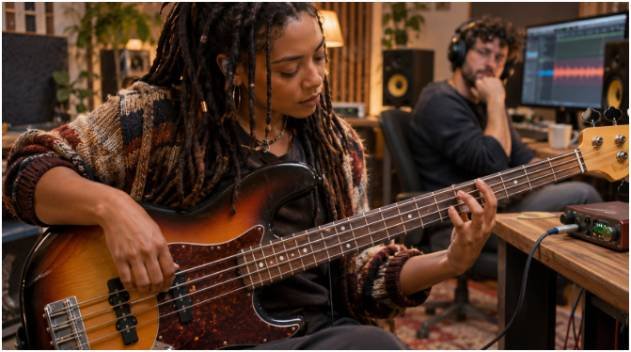
During a recent remix session, I wanted to use a classic 1980s synth bassline, but the major label owning the master demanded a 50% royalty split. Instead of paying both sides, I hired a session bassist to replay the exact notes from scratch.
This technique is called interpolation. Because you create a brand-new sound recording in your own studio, you bypass the record label’s master copyright completely. You only negotiate a composition license with the music publisher, which often lowers upfront fees by half.
How Indian Copyright Law Governs Sampling and Remixing
While international treaties outlined by the World Intellectual Property Organization (WIPO) harmonize baseline protections globally, local statutes dictate how disputes play out in court. Under the Copyright Office of India’s Copyright Act, 1957, lawmakers never wrote a specific clause mentioning “digital sampling.” Instead, Indian courts apply four core sections to evaluate unauthorized remixes and beats.
Exclusive Adaptation Rights and Infringement (Sections 14 and 51)
Section 14 grants copyright owners the exclusive right to reproduce, distribute, or create an “adaptation” of their work. Any arrangement, transcription, or alteration of a musical work qualifies as an adaptation. Under Section 51, chopping a beat or layering new drums over an existing vocal without a license constitutes direct copyright infringement.
Why Remixes Fail the Statutory Cover License Test (Section 31C)
Many independent producers mistakenly rely on Section 31C, which provides a statutory licensing route for making cover versions in India. However, Section 31C strictly requires musicians to re-record the song using fresh performers without altering the core melody or lyrics. Because remixes manipulate the original sound recording and rearrange its structure, they never qualify for a statutory cover license.
Fair Dealing Limits and Moral Rights (Sections 52 and 57)
Section 52 outlines narrow “fair dealing” exceptions for private personal study, criticism, review, or news reporting. Uploading a bootleg club remix to YouTube or SoundCloud falls outside private use and loses all fair dealing protection.
Even after selling economic rights, original creators retain moral rights under Section 57. If your remix distorts or mutilates a song in a way that harms the original composer’s reputation, they can legally block your release and claim damages.
Four Sampling Myths That Still Get Producers Sued
Studio folklore ruins more releases than bad mixing. I still hear beatmakers repeat these four misconceptions when trading stems online:
| Studio Myth | Legal Reality |
| The “3-Second Rule” | No minimum duration exists; even a recognizable 1-second snare hit can trigger an infringement claim. |
| Giving Credit Prevents Lawsuits | Tagging the original artist in your track title or description does not replace a signed license. |
| Free Releases Are Safe | Distributing an unapproved remix for $0 still violates the owner’s exclusive right to adapt and share the work. |
| Pitch-Shifting Clears the Audio | Reversing, slowing down, or pitching up a sample fails to protect you if listeners can identify the source. |
Legal Alternatives for Beatmakers on a Tight Budget
Clearing commercial catalog tracks often costs thousands of dollars upfront plus steep publishing percentages. If you run an independent record label on a small budget, use these three clearance-free workflows instead:
- Royalty-Free Sample Libraries: Platforms like Splice and Loopmasters include commercial master and composition clearances inside your subscription fee.
- Creative Commons Tracks: Search repositories for works licensed under Creative Commons attribution terms that explicitly permit derivative remixes, avoiding any license marked “NoDerivs” (ND).
- Public Domain Recordings: Sample compositions and recordings whose statutory copyright terms have fully expired, ensuring both the sheet music and the specific audio recording are free to use.
Frequently Asked Questions About Sampling and Remixing Laws
1. Is sampling illegal if I don’t make money from the song?
Yes, releasing an unauthorized sample for free still infringes on the copyright owner’s exclusive right to reproduce and distribute their work.
2. How many seconds of a song can I sample legally without permission?
Zero seconds—copyright law sets no minimum time threshold, meaning any recognizable snippet requires permission from both rights holders.
3. Can I legally remix a song if I buy the MP3 or WAV file first?
No, buying a track on iTunes or Beatport grants a personal listening license, not the right to create and distribute derivative remixes.
4. What is the difference between a sample and an interpolation?
A sample uses a direct audio snippet from the original recording, whereas an interpolation re-records the melody from scratch to avoid master copyright fees.
Clear the Track Before You Drop the Beat
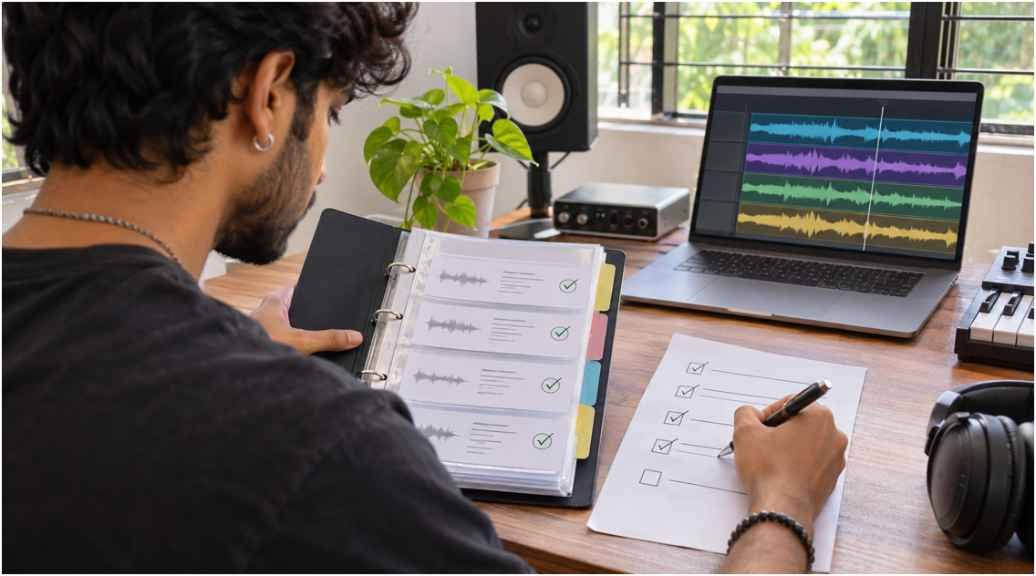
Great producers spend hours perfecting their low-end, yet skip the ten-minute rights check that keeps their catalog online. Before you schedule your next release, audit every third-party stem in your project folder. If you cannot produce a written license or a royalty-free certificate for a sound, mute the channel, replay the melody yourself, and keep your royalties safe.