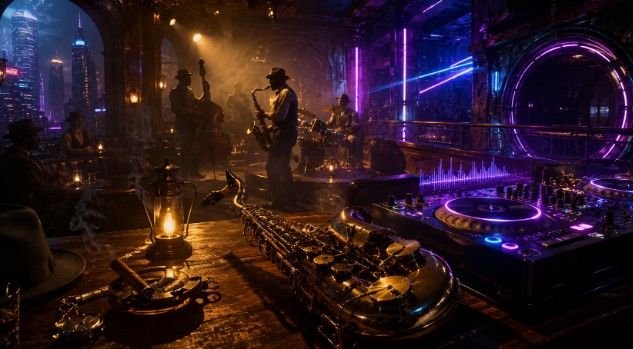
Ever found yourself tapping your feet to a song that sounds like a 1920s speakeasy crashed headfirst into a futuristic rave? You are definitely not alone, and you have officially stumbled into one of the most infectious subcultures in the modern music landscape.
Let me introduce you to the wild, brassy world of vintage digital fusion. As we answer exactly what is electro swing music and break down why this eccentric genre continues to dominate global dance floors.
Key Takeaways
- Electro swing fuses 1920s jazz brass with modern electronic dance music.
- The genre relies heavily on a swinging, infectious four-on-the-floor house rhythm.
- Pioneer producers like Parov Stelar sparked the global movement in the 2000s.
- Production secrets involve slicing vintage vinyl brass over hard electronic synths.
- Modern variants include swing’n’bass, glitch swing, and festival-ready swing house edits.
The Sonic DNA: Breaking Down the Hybrid Sound
Understanding this genre requires looking at it as a perfect musical marriage between two completely different eras. The core formula takes the acoustic warmth, syncopated rhythms, and live horn sections of early twentieth-century jazz and glues them to the synthetic, bass-heavy framework of modern electronic production.
This combination creates a unique acoustic-digital paradox that feels deeply nostalgic yet fiercely futuristic all at the same time.
The Vintage Jazz Core
Traditional big band arrangements act as the organic soul of every track. Producers dig deep into old archives to find dusty vinyl samples of trumpets, trombones, clarinets, and gypsy jazz guitars playing bouncy, syncopated melodies.
These elements preserve the authentic human expression, swing feel, and raw energetic excitement of the original Depression-era recordings.
The Electronic Foundation
Modern drum machines and synthesizers provide the necessary heavy lifting for club sound systems. Instead of a soft, acoustic jazz shuffle, you get a powerful, driving electronic beat that commands people to dance.
Heavy sub-bass lines, crisp synthetic claps, and modern sidechain compression are applied to the old samples to ensure the music hits just as hard as contemporary house or techno.
The Art of the Sample Flip
Creating a great track is not just about layering a loop over a beat, it is about creative manipulation. Producers will take a single horn stab or a vocal phrase from a record cut nearly a century ago and chop it up, alter the pitch, and stutter the timing. This process transforms a forgotten historical artifact into a repetitive, hypnotic hook tailored for modern club environments.
Core Characteristics: The Anatomy of the Retro Wave
The structural magic of this genre relies heavily on a few non-negotiable sonic building blocks that separate it from typical EDM. At its heart, electro swing is an energetic genre of dance music that blends vintage jazz and 1920s-1940s big band sounds with modern electronic beats, like house and hip-hop. It combines retro brass and scat vocals with pulsing, club-friendly basslines, bringing a nostalgic 1920s aesthetic to the modern dance floor.
The Defining Club Sound
The auditory profile generally features swinging brass loops from saxophones, trumpets, and clarinets alongside vintage vocal samples layered over a steady, four-on-the-floor electronic rhythm.
This arrangement ensures that the tracks retain a distinctly syncopated, human jazz bounce while delivering the relentless, predictable energy required to keep modern dance floors moving.
Offshoot Subgenres Explained
The flexibility of the genre allows it to break into fun variants like Swing ‘n’ Bass, which mixes drum and bass with swing, and Swing Hop, featuring swing samples overlaid with hip-hop beats. These subgenres showcase how easily vintage acoustic instrumentation can adapt to vastly different electronic tempos and urban drum programming styles.
The Complete Lifestyle Aesthetic
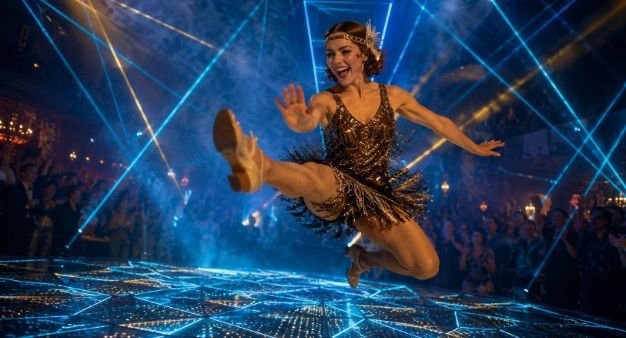
Beyond the digital audio workstation, the music carries a joyful, upbeat, and theatrical vibe, frequently inspiring vintage fashion, burlesque, and swing dancing like the Lindy Hop at live events. This heavy emphasis on visual culture transforms ordinary music festivals into living, breathing time capsules where attendees dress in full roaring twenties attire while raving.
Origins and Popular Artists for Tracking the Evolutionary Timeline
While early experiments popped up in the 1990s, the genre took off in the 2000s in Europe, notably led by producer Parov Stelar, who helped popularize the term. Other prominent pioneers include the French band Caravan Palace, whose live-band approach helped define the genre.
These artists laid down the foundational framework that proved vintage big band sounds could achieve massive mainstream success in the digital age.
The Nineties Architectural Prototypes
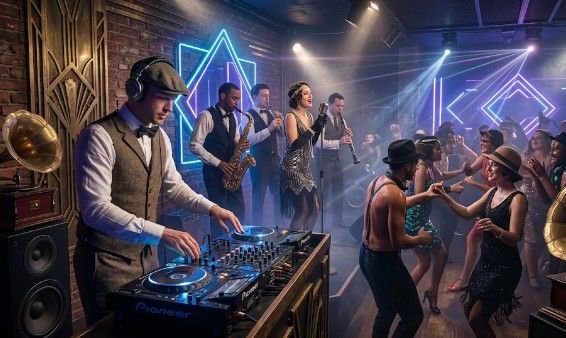
Early production experimentation began when underground club disc jockeys realized that the bouncy tempo of swing jazz loops matched perfectly with modern electronic drum machines.
European acts began slipping jazz brass stabs into traditional house tracks. Testing how crowds would react to the unexpected historical crossover. These early vinyl experiments laid the groundwork for the structural sound that would follow a decade later.
The Austrian Production Breakthrough
The movement achieved its official identity when Marcus Füreder, working under his stage name Parov Stelar, began releasing tracks that intentionally married melancholic jazz samples with clean, deep house grooves.
His signature studio sound captured the imagination of European clubbers, officially establishing the term electro swing. His early records proved that this unique combination could work as a cohesive, standalone musical genre.
The French Live Band Revolution
Shortly after the Austrian wave, the Parisian group Caravan Palace emerged to push the genre boundaries even further by incorporating live acoustic instruments on stage. Instead of relying solely on pre-recorded vinyl samples, they performed with live violins, clarinets, and vocalists alongside heavy electronic synthesizers.
This energetic live-band approach brought an unmatched level of theatrical showmanship to global music festivals.
How to Produce What Is Electro Swing Music Correctly
Stepping behind the computer monitor reveals that mixing this hybrid genre requires a high level of technical precision and careful equalization. The primary challenge for any digital music producer is making sure the low-fidelity vintage samples do not sound muddy when layered over ultra-clean, aggressive modern synthesizers.
Mastering this specific production style involves balancing two distinct eras of recording technology inside a single project file.
Selecting and Warping Vintage Vinyl
Finding the right source material requires digging through public domain archives or scanning old vinyl records for clean horn melodies or isolated vocal phrases. Once a producer finds a compelling loop, they must use digital time-stretching tools to precisely align the old jazz rhythm with a modern electronic grid.
This process must be done carefully to ensure the organic swing feel is not completely ruined by rigid computer quantization.
Engineering the Ideal Electronic Rhythm

The foundation of the track relies on programming a powerful electronic drum pattern that drives the energy forward. Producers layer a punchy four-on-the-floor kick drum with modern synthetic claps to anchor the club groove.
Over this digital grid, what is indie music is they mix in live hi-hat shuffles that are slightly shifted off-time. For replicating the natural human imperfections of a real big band drummer.
Balancing the Frequency Spectrum
Combining audio files recorded decades apart requires strategic audio engineering to achieve a professional master. Old jazz samples are naturally heavy in the mid-range frequencies. So producers must use precise equalization cuts to leave ample room for deep electronic sub-bass lines.
Heavy sidechain compression is then applied to the brass tracks, causing them to dip momentarily whenever the kick drum hits to maintain a clean mix.
Frequently Asked Questions
1. Who are some famous electro swing artists?
Parov Stelar, Caravan Palace, Swingrowers, and Jamie Berry are among the most celebrated pioneers of this movement. They successfully popularized the global genre by masterfully blending traditional live instrumentation, vintage sampling techniques, and heavy modern club beats.
2. What is the most popular electro swing song?
“Lone Digger” by Caravan Palace and “Booty Swing” by Parov Stelar are widely considered the most popular tracks in the entire genre. Both songs have gathered hundreds of millions of streams worldwide and continue to define the sonic aesthetic.
3. Why do people like electro swing?
Listeners love this music because it effortlessly bridges historical nostalgia with high-energy modern dance production. The infectious, joyful rhythms combine the classy sophistication of the roaring twenties with the deep, physical basslines of modern festival sound systems.
4. What instruments are in electro swing?
Tracks prominently feature acoustic brass instruments like trumpets, saxophones, and trombones alongside gypsy jazz guitars and clarinets. These vintage sounds are layered over electronic drum machines, synthetic basslines, digital samplers, and heavy sub-bass modulations.
Wrapping Up the Electro Swing Revolution!
Stepping into the colorful world of what is electro swing music means embracing a beautiful paradox where the past and future dance together in perfect harmony. Whether you love the historical elegance of big band jazz or the heavy bass of modern electronic clubs.
This genre offers an unforgettable sonic escape. Put on your dancing shoes, cue up a playlist, and let the vintage digital rhythm take total control.