The latest music copyright news for creators is not quiet background noise anymore. It affects uploads, ad revenue, AI-generated tracks, sponsored Reels, Shorts, podcasts, livestreams, and even simple brand videos.
I have seen creators treat music as an editing choice first and a rights issue later. That habit now costs money. Copyright systems are faster, AI music is under legal pressure, and licensing rules are becoming stricter across platforms and regions.
Why This Copyright Shift Matters Right Now
The latest music copyright news for creators points to one clear message: music use now needs proof, not guesswork. A song being available online does not mean it is safe for commercial use. A track made by AI does not automatically mean it is free from claims. A platform audio library does not always cover every branded use.
That matters because creators no longer publish in one place. A YouTube video becomes a Short. A Short becomes an Instagram Reel. A Reel becomes a paid ad. Each format can trigger different copyright rules.
My practical rule is simple. Before I use music, I ask three questions. Who owns the sound recording? Who owns the composition? Does my license cover this exact use? If I cannot answer all three, I do not treat the track as safe.
YouTube’s AI Music Replacement Tool Changes The Claim Game
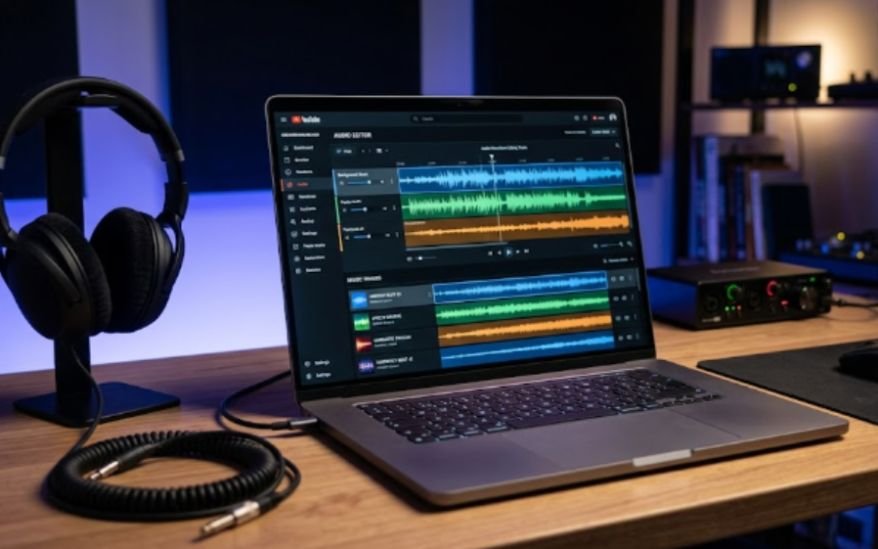
YouTube’s new AI-assisted replacement feature is one of the biggest platform updates for video creators. Reports say creators with certain music copyright claims can use a Create option inside YouTube Studio to generate replacement instrumental tracks. The goal is simple: replace flagged audio without deleting the whole video.
That is useful because Content ID claims can block monetization, restrict visibility, or send revenue to the rights holder. For creators who publish tutorials, vlogs, commentary, reviews, or lifestyle videos, this can save hours of re-editing.
What Creators Can Do After A Content ID Claim
The latest music copyright news for creators shows that YouTube wants easier claim resolution tools. Creators already had options like trimming, muting, replacing, or disputing claimed music. AI-generated replacement music adds a faster path for some situations.
Here is the workflow I would follow. First, review the claim details. Second, check which segment triggered the claim. Third, decide whether the music is essential to the video. If not, replace it quickly. If the music is properly licensed, keep the proof and consider a dispute.
That last part matters. Do not dispute a claim emotionally. Dispute it only when you have documentation, such as a license agreement, receipt, permission email, or platform license record.
What This Tool Does Not Solve
This feature does not make copyrighted music safe to use. It also does not protect creators before upload. It helps after a claim appears.
That means creators still need clean music choices from the start. Use licensed libraries, original music, properly cleared tracks, or platform-approved audio for the right format. A tool that fixes claims is helpful, but a clean license is better.
Creators who use Apple Music for research, editing sessions, or late-night listening may also want to know does Apple Music have a sleep timer so they can manage their music habits more easily.
AI Music Lawsuits Are Getting Harder To Ignore
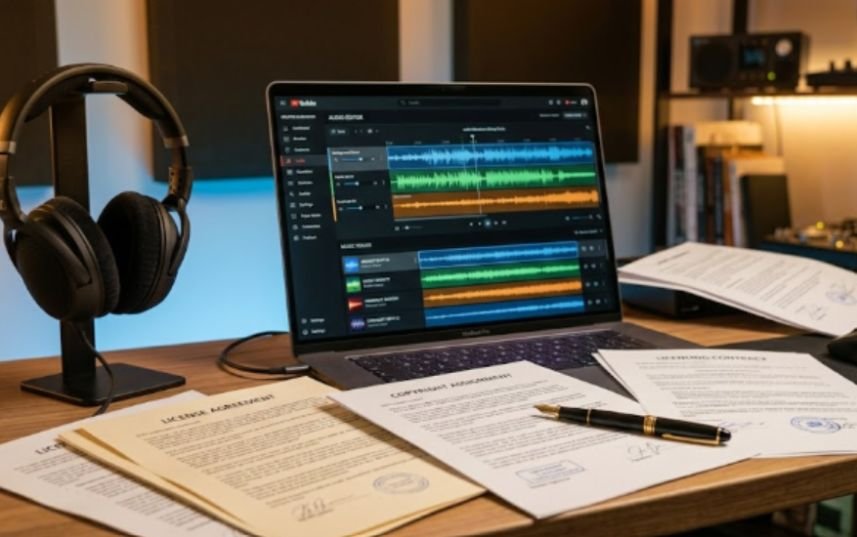
The AI music fight has moved from theory to courtrooms. Major labels have targeted AI music platforms such as Suno and Udio with copyright lawsuits. The core argument is that copyrighted songs were allegedly used to train generative AI systems without authorization.
This is where ai music news and copyright concerns become more than a tech trend. They affect creators who use AI tracks in monetized videos, podcasts, client campaigns, intros, jingles, and background beds.
Why Training Data Is Now The Big Fight
Recent reporting has highlighted large music datasets allegedly circulating among AI developers. Some reports describe more than 21 million tracks appearing in searchable AI training-related databases. That number is shocking, but the bigger issue is provenance.
Provenance means knowing where the training material came from. If an AI tool cannot clearly explain its training rights, creators have a risk problem. A generated song may sound new, but the model behind it may be legally contested.
That does not mean every AI music tool is unsafe. It means creators should separate “fast” from “cleared.” Fast music is easy to generate. Cleared music comes with usage terms you can defend.
What The Suno And Udio Cases Mean For Creators
The latest music copyright news for creators around Suno, Udio, and similar platforms matters because these lawsuits may shape future licensing models. If courts or settlements push AI companies toward label deals, creators may see more restricted outputs, paid licenses, attribution rules, or platform-specific usage limits.
My advice is to save every AI music license page as a PDF or screenshot before publishing. Terms can change. Your proof should show what the license allowed on the day you downloaded or generated the track.
For client work, I would go one step further. I would avoid raw AI-generated music unless the client approves the risk in writing. Brands hate surprises, especially copyright surprises.
The U.S. Copyright Office Still Wants Human Authorship
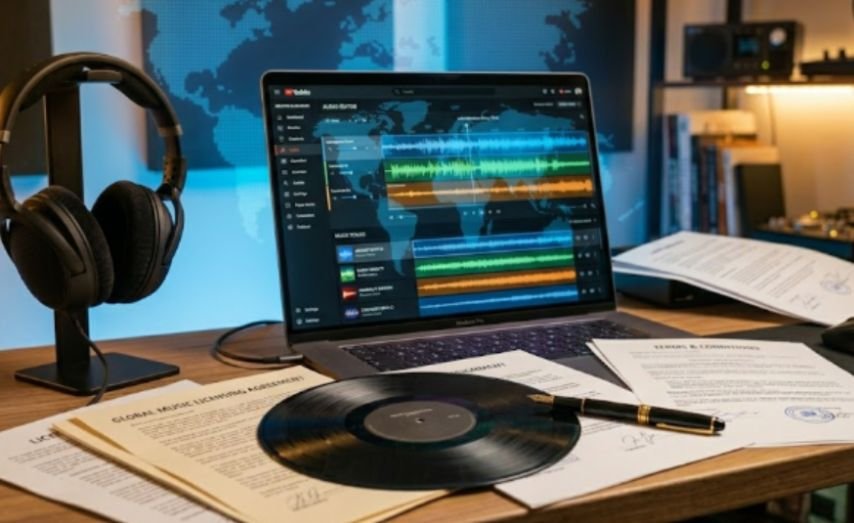
The U.S. Copyright Office has made its position clear: copyright protection depends on human authorship. AI-assisted works may receive protection when a human contributes enough expressive choices. Purely machine-generated output is a different story.
That affects musicians, YouTubers, editors, podcasters, and agencies. If you type a prompt and accept the first AI-generated track with no meaningful changes, you may not own protectable authorship in the way you expect.
Why Raw AI Music Can Be Risky
Raw AI music creates two problems. First, you may struggle to claim copyright in the output. Second, you may still face claims if the output resembles existing music or comes from a disputed model.
That is a nasty combination. You may not fully own it, but you may still be blamed for using it.
The latest music copyright news for creators makes one thing clear: human contribution is your safety layer. Compose, arrange, edit, perform, mix, rewrite, or add original elements. Do not rely on a prompt alone.
My Simple AI Music Test Before Publishing
Before publishing AI-assisted music, I use a four-part test. Did I write or perform anything original? Did I change the structure meaningfully? Do I have clear commercial usage rights? Can I prove when and where the track was made?
If the answer is no, I treat the music as temporary demo material, not final publishable audio.
India’s PPL And IPRS Updates Matter For Global Creators
US creators should still watch India’s music licensing updates. Many creators publish globally, work with Indian brands, use Bollywood-inspired audio, or run campaigns across YouTube, Instagram, and streaming platforms.
PPL India has been registered again as a copyright society for sound recordings. That makes public performance and sound recording licensing more structured. At the same time, Indian court updates around IPRS strengthen the position of authors, composers, and publishers for underlying musical and literary works.
Why Public Performance Licensing Is Back In Focus
Sound recordings and compositions are different rights. A label may control the recording. A songwriter, composer, publisher, or society may control the underlying work.
That distinction matters for cafés, events, gyms, hotels, telecom uses, ads, livestreams, and branded social videos. Paying for one right may not cover the other.
The latest music copyright news for creators shows that licensing gaps are becoming harder to ignore. If content is commercial, assume the rules are stricter.
Why Social Media Audio Can Still Be Risky For Brands
A common mistake is assuming that audio inside Instagram, TikTok, or YouTube Shorts is automatically safe for every use. Personal creator use and commercial brand use are not always the same.
If a brand pays you to post, the video may count as advertising. That can require broader rights than casual platform use. Before using trending audio in sponsored content, check the platform’s commercial music rules and the brand’s legal guidelines.
Creators should also understand how streaming services are changing music releases because release timing, platform rules, and audience habits now affect how music is promoted and reused across content.
A Creator-Safe Music Copyright Checklist
The latest music copyright news for creators can feel messy, but the safest workflow is simple.
Use music from sources with written commercial terms. Save license proof before uploading. Avoid unclear AI music for client work. Keep track names, license dates, and download links in one folder. Check whether the license covers YouTube, Shorts, Reels, podcasts, ads, and paid campaigns.
For music you create yourself, document the process. Keep project files, stems, drafts, lyrics, session notes, and collaborator agreements. If AI helped, note what you created and what the tool generated.
This small habit builds proof. Proof is what separates a confident dispute from panic after a claim.
FAQs
1. What Is The Latest Music Copyright News For Creators On YouTube?
YouTube is expanding tools that help creators manage music claims, including options to remove, replace, or resolve claimed audio more easily.
2. Can I Copyright AI-Generated Music In The US?
Pure AI output may not qualify, but AI-assisted music can be protected when meaningful human authorship is present.
3. Is Music From Social Media Audio Libraries Safe For Sponsored Posts?
Not always. Sponsored or brand content may need commercial music rights beyond normal in-app audio use.
4. Should Creators Avoid AI Music Completely?
No, but creators should use AI music only with clear license terms, saved proof, and meaningful human creative input.
Final Take: Do Not Let A Beat Become A Bill
The latest music copyright news for creators proves that the old shortcut mindset is over. “I found it online” is not a license. “AI made it” is not a shield. “Everyone is using this audio” is not legal advice.
I would rather spend ten minutes checking rights than lose revenue, delete a video, upset a client, or fight a claim with no proof. Use music like a professional. Save your licenses, document your creative role, and treat every upload like it may need a receipt later.